Suspect Detained After Broad-Daylight Attack in SF
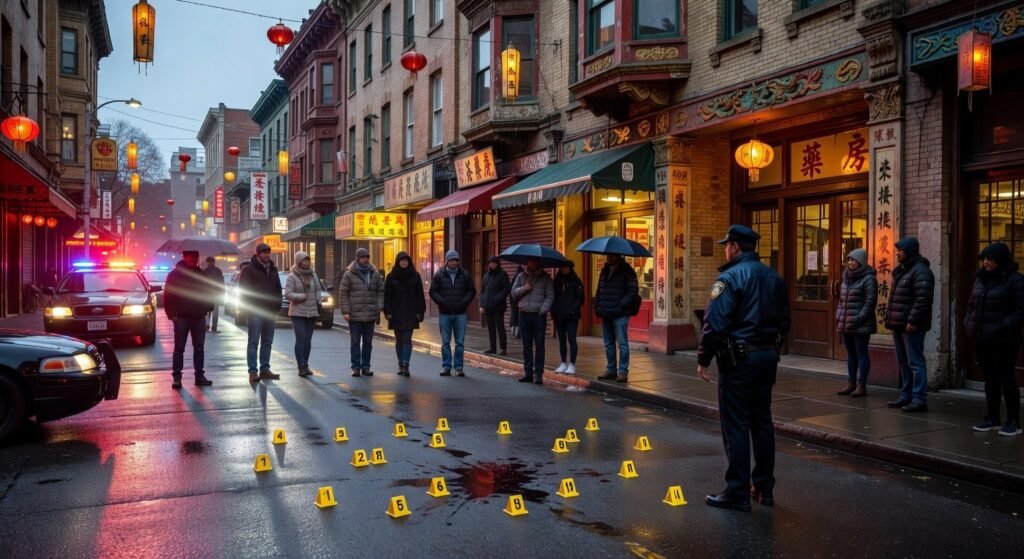
The recent surveillance footage from San Francisco’s Chinatown has exposed a harrowing incident of violence, where a stabbing occurred in broad daylight, sending shockwaves through the community and igniting widespread concerns about urban safety. Captured on video, the footage shows a suspect engaging in a brutal attack on what appears to be an unsuspecting victim amid the bustling streets of one of the city’s most iconic neighborhoods. This event, which took place on a busy afternoon, has prompted an urgent reevaluation of security measures in public spaces, as residents and visitors alike grapple with the reality of such overt criminal activity in a area known for its vibrant culture and history.
In the video, which has circulated rapidly on social media platforms, the assailant can be seen wielding a knife and striking the victim multiple times before fleeing the scene. Eyewitnesses reported hearing screams and seeing the chaos unfold, with some attempting to intervene while others called emergency services. The attack happened near popular landmarks, such as Grant Avenue, a thoroughfare lined with shops, restaurants, and historic sites that attract tourists from around the world. This location’s high foot traffic makes the incident particularly alarming, as it underscores the vulnerability of everyday citizens in what is typically considered a safe, family-friendly district. San Francisco Sheriff’s deputies responded swiftly, detaining a man who matched the suspect’s description just a few blocks away, demonstrating the importance of rapid law enforcement action in urban environments.
Despite the quick apprehension, local police officials have remained tight-lipped about the details surrounding the arrest and the condition of the victim. This lack of transparency has fueled speculation and frustration among the public, as authorities cited ongoing investigations as the reason for their silence. The victim, whose identity has not been disclosed, was rushed to a nearby hospital, but no updates on their status have been released. This secrecy is not uncommon in high-profile cases, where preserving the integrity of the investigation takes precedence, yet it leaves a void of information that social media users are quick to fill with unverified theories and commentary.
🚨BREAKING: Surveillance footage captures grisly broad-daylight stabbing in San Francisco’s Chinatown.
In the aftermath, a person matching the suspect’s description was apprehended nearby. San Francisco Sheriff’s deputies detained the man, but police officials declined to… pic.twitter.com/7EeBwucv69
— I Meme Therefore I Am 🇺🇸 (@ImMeme0) March 6, 2026
To understand the broader context of this stabbing, it’s essential to examine San Francisco’s Chinatown, one of the oldest and most established Chinatowns in North America. Established in the 1840s during the California Gold Rush, it has long been a symbol of immigrant resilience and cultural heritage, home to a dense population of Asian Americans and a hub for authentic cuisine, festivals, and traditions. However, like many urban neighborhoods, Chinatown has faced challenges with crime, including petty theft, drug-related issues, and occasional violent incidents. Recent years have seen an uptick in reports of assaults and robberies, attributed in part to economic disparities, homelessness, and the lingering effects of the COVID-19 pandemic, which disrupted local businesses and tourism.
Expert analysis from criminologists suggests that this stabbing is indicative of deeper systemic issues within San Francisco’s public safety framework. Dr. Elena Ramirez, a professor of urban studies at the University of California, Berkeley, notes that incidents like this often stem from a combination of mental health crises, substance abuse, and inadequate social services. “Broad-daylight attacks in high-visibility areas point to a breakdown in community policing and preventive measures,” she explains. “San Francisco must invest in more visible patrols, community outreach programs, and mental health resources to address the root causes rather than just responding to the symptoms.” Her insights highlight how such events are not isolated but part of a larger pattern that requires multifaceted solutions.

Public reaction to the stabbing has been swift and emotional, with social media platforms becoming a battleground for discussions on safety and accountability. The original tweet by I Meme Therefore I Am, which shared the footage, garnered thousands of retweets and comments, amplifying the story beyond local circles. Users expressed outrage, fear, and calls for justice, with hashtags like #SaferSF and #ChinatownSafety trending. Local residents, many of whom are small business owners, voiced their concerns in community meetings and online forums, emphasizing how such violence deters tourists and harms the local economy. “This isn’t just a crime; it’s an attack on our way of life,” said one Chinatown merchant in an interview with a local news outlet, reflecting the collective anxiety gripping the neighborhood.
Furthermore, the incident has sparked debates about racial and ethnic tensions, as Chinatown’s predominantly Asian population has historically been targeted in hate crimes. Advocates from organizations like the Asian Pacific American Legal Center have pointed out that this stabbing occurs against a backdrop of rising anti-Asian sentiment, exacerbated by global events and local frustrations. While it’s unclear if the attack was motivated by bias, the community’s heightened vigilance has led to demands for increased hate crime investigations and cultural sensitivity training for law enforcement. This event serves as a reminder of the need for inclusive policing strategies that address the unique vulnerabilities of minority communities.
In terms of long-term implications, the stabbing could significantly impact San Francisco’s tourism industry, which relies heavily on the allure of neighborhoods like Chinatown. Events such as the Chinese New Year Parade, which draws hundreds of thousands of visitors, might see reduced attendance if perceptions of safety decline. City officials may respond by allocating more funds to surveillance technology, such as additional cameras and real-time monitoring systems, to deter future crimes. Moreover, this incident could influence policy discussions at the municipal level, potentially leading to reforms in how mental health and homelessness are managed. For instance, proposals for expanding crisis intervention teams—comprised of mental health professionals working alongside police—could gain traction as a proactive measure.
From a societal perspective, the video’s widespread dissemination raises ethical questions about the role of social media in crime reporting. While platforms like Twitter enable rapid information sharing, they can also lead to misinformation and the sensationalization of violent events. In this case, the footage has been viewed millions of times, prompting debates about privacy and the potential for vigilante justice. Experts in media ethics argue that outlets and individuals sharing such content must balance public interest with respect for victims and their families, advocating for responsible journalism that avoids gratuitous exposure.
As investigations continue, the community is rallying for change. Grassroots organizations are organizing safety workshops, self-defense classes, and neighborhood watch programs to empower residents. Local leaders are pushing for legislative action, including stricter enforcement of existing laws and increased funding for community policing initiatives. The stabbing in Chinatown, while tragic, has the potential to catalyze positive transformations, fostering a more resilient and secure urban environment. However, without concrete steps from authorities, the unanswered questions surrounding this event may erode public trust and exacerbate existing tensions.
Ultimately, this incident underscores the fragility of public safety in densely populated cities like San Francisco. By examining the details, context, and broader implications, it’s clear that addressing such violence requires a collaborative effort from law enforcement, community stakeholders, and policymakers. As the city moves forward, the hope is that lessons learned from this stabbing will lead to meaningful reforms, ensuring that Chinatown and its residents can thrive without the shadow of fear looming over their daily lives.
Read more: Washington Passes Bill for Noncitizens in Law Enforcement