This Innocent Looking Boy Grew Up To Become One Of The World’s Most Evil Men
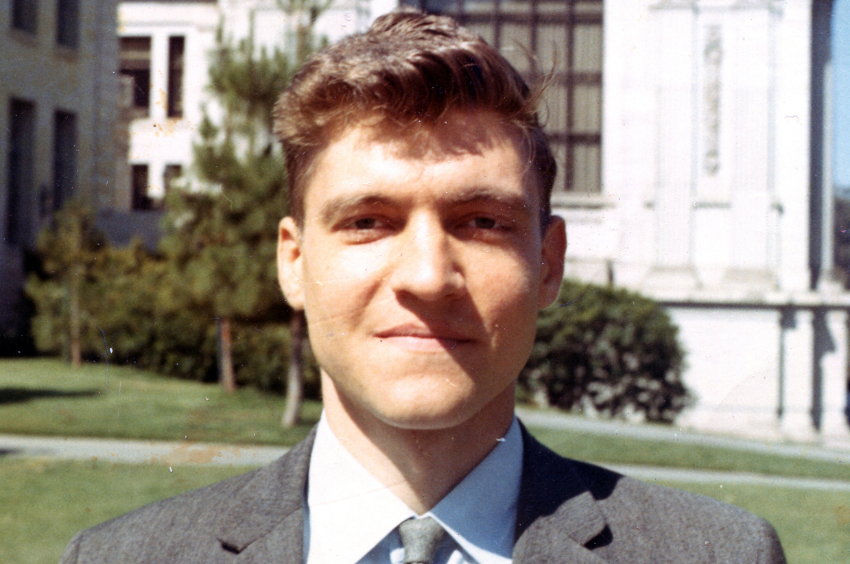
Theodore Kaczynski showed troubling signs of anger and isolation long before authorities accused him of carrying out one of the most infamous bombing campaigns in American history, according to previously released FBI interviews and court documents involving members of his family.
The disturbing accounts, shared by relatives during the investigation that ultimately led to Kaczynski’s arrest in 1996, painted a picture of a deeply intelligent but emotionally volatile man whose hostility often targeted those closest to him — especially his parents.
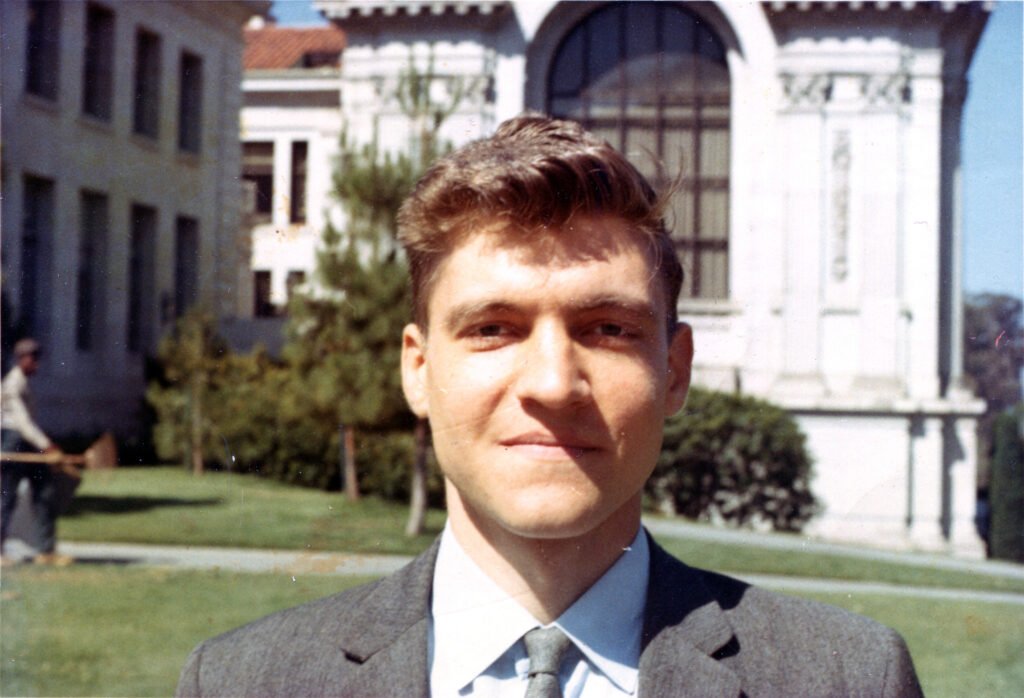
Kaczynski’s younger brother, David Kaczynski, reportedly told investigators that his older sibling displayed intense resentment from an early age. In interviews with the FBI, David recalled episodes of explosive behavior, emotional withdrawal and cruel remarks that left family members shaken.
One particularly disturbing incident involved Kaczynski allegedly pulling a chair out from beneath his mother while she carried a hot meal, causing her to fall to the floor as he laughed. According to FBI records, family conflicts were often ignored afterward, with little discussion or resolution taking place.
In letters later reviewed by investigators, Kaczynski reportedly blamed his parents for much of his unhappiness and social isolation. In one message cited in court records, he allegedly wrote that he could not wait for one of his parents to die so he could “spit” on the grave.
The documents emerged shortly before federal agents arrested Kaczynski at his remote cabin in Montana, ending a nationwide manhunt that had stretched nearly two decades.
Authorities accused Kaczynski of being the so-called “Unabomber,” the elusive figure responsible for a string of mail bombings that killed three people and injured more than 20 others across the United States.
Despite the horrifying accusations, those who knew Kaczynski also described periods in which he appeared thoughtful, intellectual and even affectionate toward his family.
Born to Polish immigrant parents in the Chicago area, Kaczynski was considered a child prodigy with an IQ reportedly measured at 170. He skipped grades in school, graduated young and later earned admission to Harvard University before eventually completing a doctorate at the University of Michigan.
Family members described him as an avid reader who frequently disappeared into his own thoughts. His mother reportedly told investigators there were moments when he seemed emotionally detached, almost as though he had mentally shut out the world around him.
After teaching mathematics briefly at University of California, Berkeley, Kaczynski abandoned mainstream society and relocated to a tiny off-grid cabin in rural Montana. The isolated structure had no electricity or running water and became the center of his increasingly reclusive lifestyle.
According to relatives, his correspondence over time became darker and more aggressive. Letters reviewed by investigators allegedly contained rambling complaints about society, authority and family relationships, along with admissions of deep anger toward others.
In one chilling passage included in court documents, Kaczynski reportedly confessed to having thoughts about hurting people but claimed social conditioning prevented him from committing crimes.
Defense attorneys later suggested Kaczynski suffered from severe mental illness, including paranoid schizophrenia, and attempted to introduce psychiatric evidence during legal proceedings. However, complications arose after Kaczynski reportedly refused to cooperate with court-ordered mental evaluations.
His family has largely remained silent publicly since the case unfolded. Through their attorney at the time, relatives acknowledged the emotional toll the situation had taken on them.
Even decades later, the story of Theodore Kaczynski continues to raise difficult questions about mental health, isolation and the warning signs that may appear long before violence erupts.