Us Justices Question Texas One Person One Vote Challenge
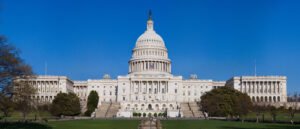
WASHINGTON, D.C. – On February 8, 2015, the U.S. Supreme Court justices grilled lawyers over a challenge to the “one person, one vote” rule, a cornerstone of American democracy that Texas voters were trying to upend. The case, Evenwel v. Abbott, questioned how states count people when drawing election districts, and it put the high court in the middle of a heated debate about representation and fairness.
At the heart of the matter, plaintiffs argued that districts should be based on the number of eligible voters rather than total population. This meant rural areas in Texas, with fewer voting-age citizens, might get more sway if the system changed. Justices seemed skeptical but probed deeply, with some like Justice Anthony Kennedy asking pointed questions about whether this could dilute the votes of urban dwellers. It was a tense session, as the court weighed decades of precedent against calls for a shift that could reshape how power is distributed.
One key moment came when Justice Ruth Bader Ginsburg noted that the current system ensures everyone is represented, not just those who can vote. Other justices, including the more conservative ones, expressed concerns about the practicalities, wondering if such a change would lead to chaos in redistricting. The arguments highlighted ongoing tensions in voting rights, especially after years of battles over gerrymandering and minority representation.
By the end of the day, it was clear the court wasn’t ready to throw out the established rule lightly. While the justices didn’t tip their hands, their questions suggested they were thinking hard about the balance between equality and access. This case was another reminder of how elections can stir up big questions about who really gets a say in America, and it left many watching closely for the decision ahead.