Georgia Grand Jury Examines Police Killing Unarmed Naked Man
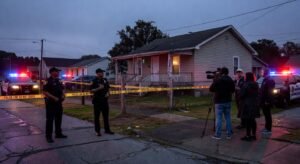
ATLANTA, Georgia — On January 1, 2015, a grand jury in Georgia began probing a troubling police shooting that left an unarmed, naked man dead, raising questions about force and response tactics. The incident unfolded in a suburban neighborhood outside Atlanta, where officers were called to a scene involving a man acting erratically. Witnesses said he was unarmed and posed no immediate threat, yet he ended up shot by police. It was a stark moment that caught the attention of local residents and civil rights groups alike.
Details from early reports painted a chaotic picture. The man, whose name wasn’t released at the time, had reportedly stripped off his clothes and was wandering outside, possibly in the midst of a mental health crisis. When officers arrived, things escalated quickly; one officer fired his weapon, claiming the man had advanced toward him. But accounts varied, with some neighbors insisting the man was just confused and not aggressive. This case added to a string of similar encounters across the country, where police interactions with people in distress turned fatal.
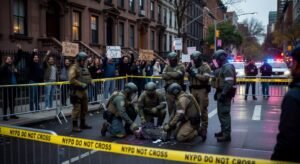
As the grand jury met to review evidence, including body camera footage and officer statements, tensions ran high in the community. Family members of the deceased spoke out, calling for accountability and better training for law enforcement. One relative told reporters it felt like “another needless loss,” echoing frustrations that had been building since other high-profile cases the previous year. Protesters gathered outside the courthouse, holding signs and chanting for justice, a sign that people were fed up with what they saw as inconsistent policing.
In the end, the grand jury’s decision loomed large, with many wondering if it would bring real change or just more talk. While officials promised a thorough look at the facts, the incident served as a reminder of how quickly situations can spiral out of control, leaving families shattered and communities on edge. As 2015 kicked off, this story highlighted the ongoing challenges in balancing public safety with respect for vulnerable individuals.