Man Claims his Skin Turning Black After Liver Transplant African American
NEW YORK — In a story that raised eyebrows and sparked intense online debate back in February 2015, a man came forward with an unusual claim: his skin had started turning black after receiving a liver transplant from an African-American donor. The 51-year-old, identified only as Neil in media reports at the time, said the change began shortly after his surgery in 2014. It was a bizarre twist on an already life-saving procedure, leaving people to wonder if something truly extraordinary had happened or if it was all in his head.
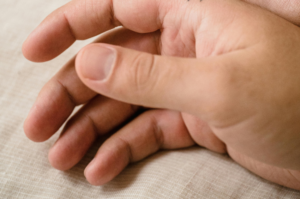
Doctors who treated Neil explained that the transplant went smoothly, but they were puzzled by his skin pigmentation changes. He described how his fair complexion gradually darkened over months, a development he attributed directly to the donor’s genetic material. This wasn’t the first time such a claim had surfaced in medical circles, though experts quickly pointed out that skin color is determined by genetics in the skin cells, not the liver. Still, Neil insisted the transformation was real, sharing photos and speaking to local news outlets about how it affected his daily life and identity. His story spread like wildfire on social media, drawing a mix of sympathy and skepticism from the public.
As the tale gained traction, medical professionals weighed in with caution. Some suggested the skin change could be a side effect of medications used to prevent organ rejection, or perhaps an unrelated condition like vitiligo in reverse. Others dismissed it as a misunderstanding, emphasizing that organ transplants don’t alter a person’s race or appearance in that way. Neil’s case highlighted the complexities of post-transplant care, even if it didn’t fit neatly into scientific explanations. At the time, it served as a reminder of how quickly personal health stories can go viral and fuel misconceptions.
While Neil’s account didn’t lead to any major breakthroughs in medicine, it stirred conversations about race, identity, and the human body. As a writer reflecting on this odd episode, it’s hard not to feel a bit amazed at how one man’s experience could capture so much attention. In the end, the story faded from the headlines, but it left people thinking about the unexpected ways our bodies can surprise us.