Have You Ever Wondered What Those Half Moons Are On Your Nails? Here’s The Answer
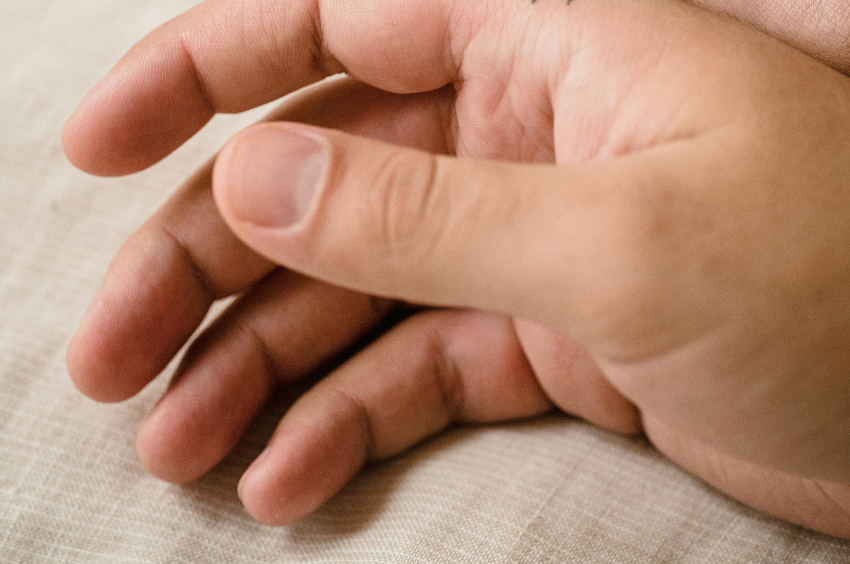
Those small, pale half-moon shapes at the base of your fingernails might seem insignificant—but medical experts say they’re actually a normal part of how your nails grow and, in some cases, can offer subtle clues about your overall health.
Known as Lunula, these crescent-shaped areas sit just above the cuticle and mark the front edge of the nail matrix—the place where new nail cells are produced. While they often appear white or slightly translucent, their visibility can vary widely from person to person.
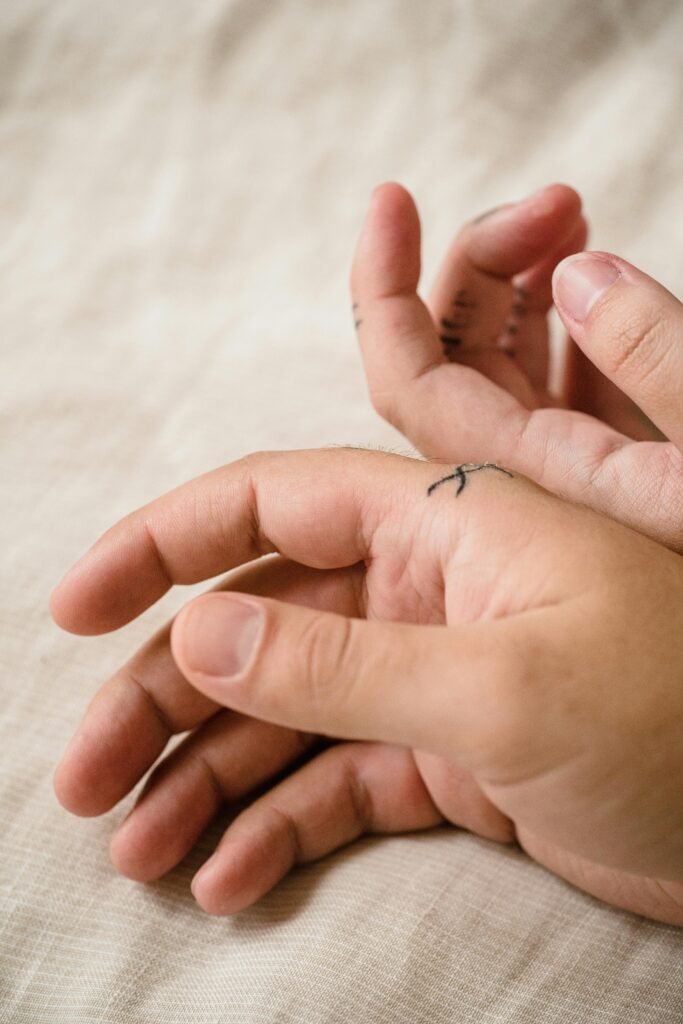
Dr. Manjaree Daw explains that lunulae are typically more noticeable on certain fingers, especially the thumbs and big toes. They also tend to stand out more during younger years and may gradually become less visible with age.
If you don’t see these half-moons on your nails, experts say there’s usually no reason to worry. In many cases, they’re simply hidden beneath the skin at the base of the nail or have become less prominent over time.
Still, changes in the appearance of the lunula can occasionally raise questions. Because this part of the nail reflects activity in the nail matrix, shifts in color or size may sometimes coincide with broader changes in the body.
For example, discoloration of the lunula has been roughly associated with a range of health conditions. A reddish tint has been linked in some cases to issues such as Cirrhosis or heart-related concerns, while a bluish hue may appear in rare instances involving Wilson’s disease or certain metabolic conditions. Yellowing has also been observed in people with Yellow Nail Syndrome.
However, medical professionals stress that these visual cues alone are not enough to diagnose any condition. Dr. Daw notes that while the body can sometimes reveal underlying issues in unexpected ways, doctors always evaluate symptoms as a whole rather than relying on a single physical sign.
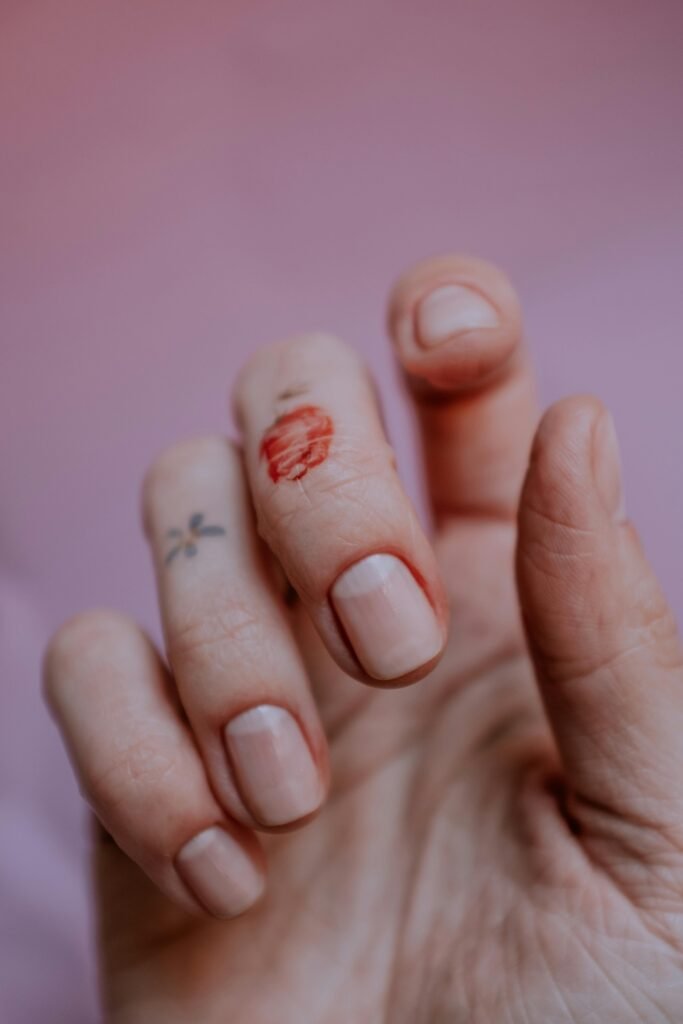
Changes in size can also occur. Smaller or less visible lunulae may occasionally be associated with conditions like anemia or nutritional deficiencies. That said, these differences are often completely normal and can vary naturally between individuals.
The key takeaway, experts say, is not to jump to conclusions based solely on nail appearance. Subtle variations are common and usually harmless. But if changes in your nails occur alongside other symptoms—such as fatigue, swelling, or unexplained illness—it may be worth discussing with a healthcare provider.
Doctors emphasize that paying attention to your body is important, but context matters. In most cases, those half-moon shapes are simply a routine part of nail growth—not a warning sign.
If something does seem off, though, medical professionals encourage patients to speak up. A quick check can either provide peace of mind or help catch a potential issue early—ensuring that even the smallest details, like your nails, aren’t overlooked.