FDA Fast-Tracks Psychedelics: Magic Mushrooms and MDMA Cousins Get Priority Vouchers in Bold Mental Health Push
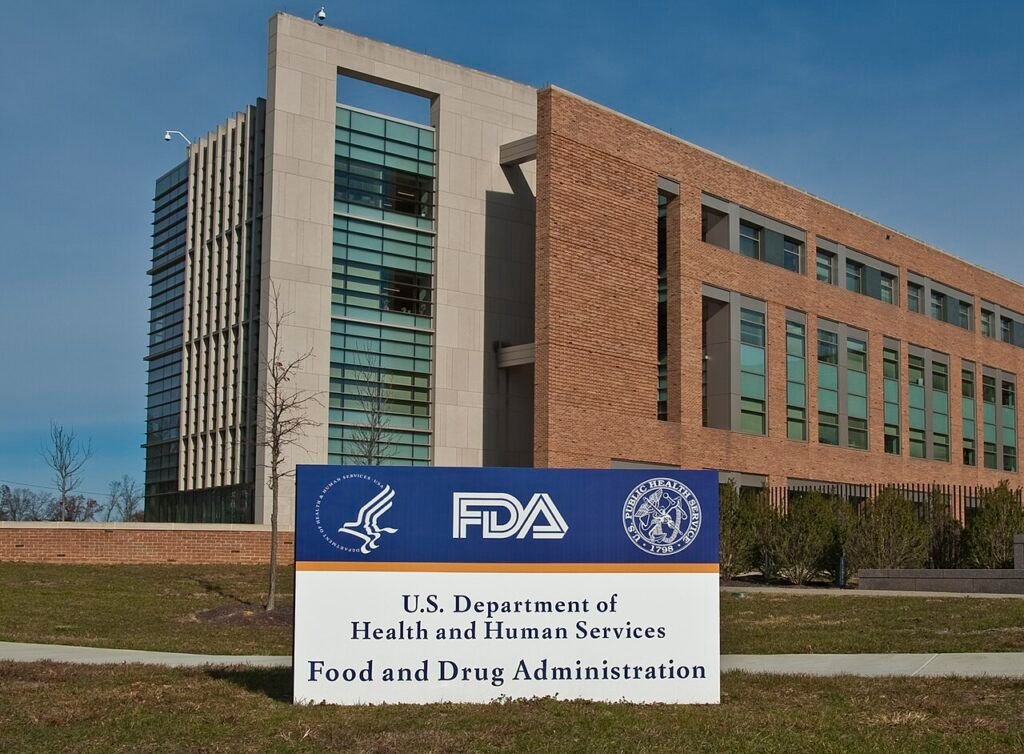
In a move that would have sounded like a fever dream a decade ago, the FDA just handed out special “priority vouchers” to fast-track three psychedelic-based treatments for serious mental health conditions. Psilocybin (the stuff in magic mushrooms) for treatment-resistant depression and major depressive disorder, plus methylone — a close relative of MDMA — for PTSD. It’s the latest sign that what was once dismissed as counterculture experimentation is now getting serious government runway.
The vouchers come under the FDA Commissioner’s National Priority Voucher pilot program and could slash review times down to just one or two months. The recipients: Compass Pathways (synthetic psilocybin for hard-to-treat depression), the nonprofit Usona Institute (psilocybin for broader major depression), and Transcend Therapeutics (methylone for PTSD).
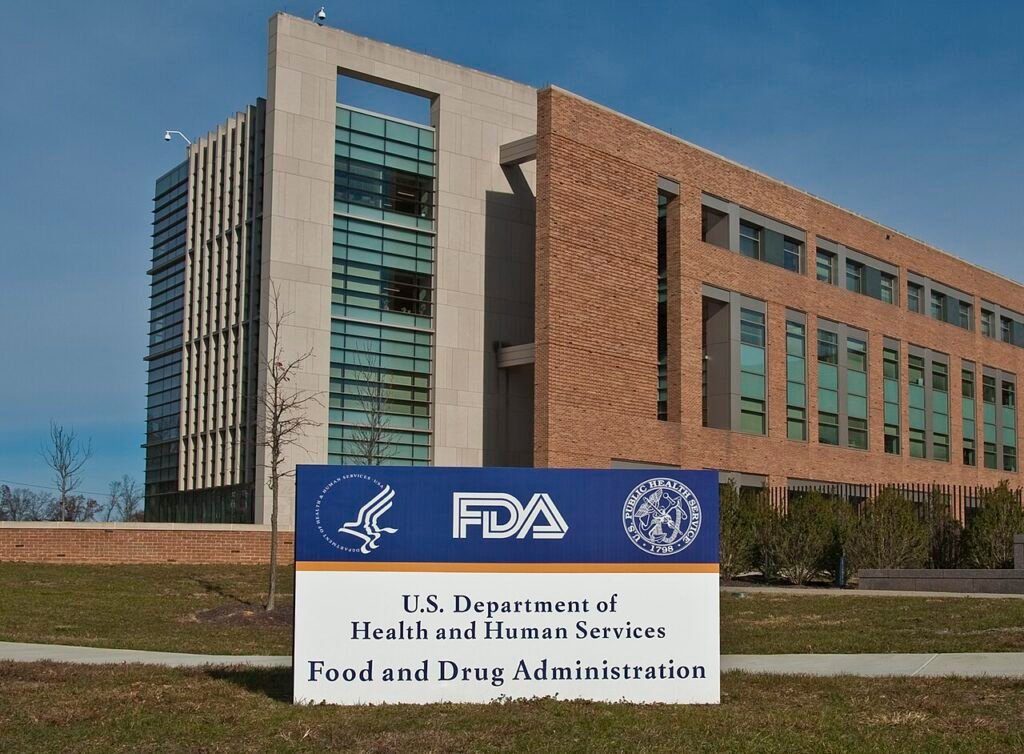
This isn’t happening in a vacuum. It follows a recent executive order from President Trump directing the FDA to prioritize breakthrough therapies in this space, with a $50 million investment push toward states studying psychedelics for veterans and others battling mental health crises. HHS Secretary Robert F. Kennedy Jr. framed it as a direct assault on the national mental health emergency, especially for those who’ve exhausted traditional options.
Compass Pathways’ CEO highlighted strong Phase 3 data backing their candidate. Usona emphasized that while the voucher speeds things up, it doesn’t lower scientific bars. And experts across the board are stressing supervised clinical settings only — no one’s suggesting you pick these up at CVS like aspirin.

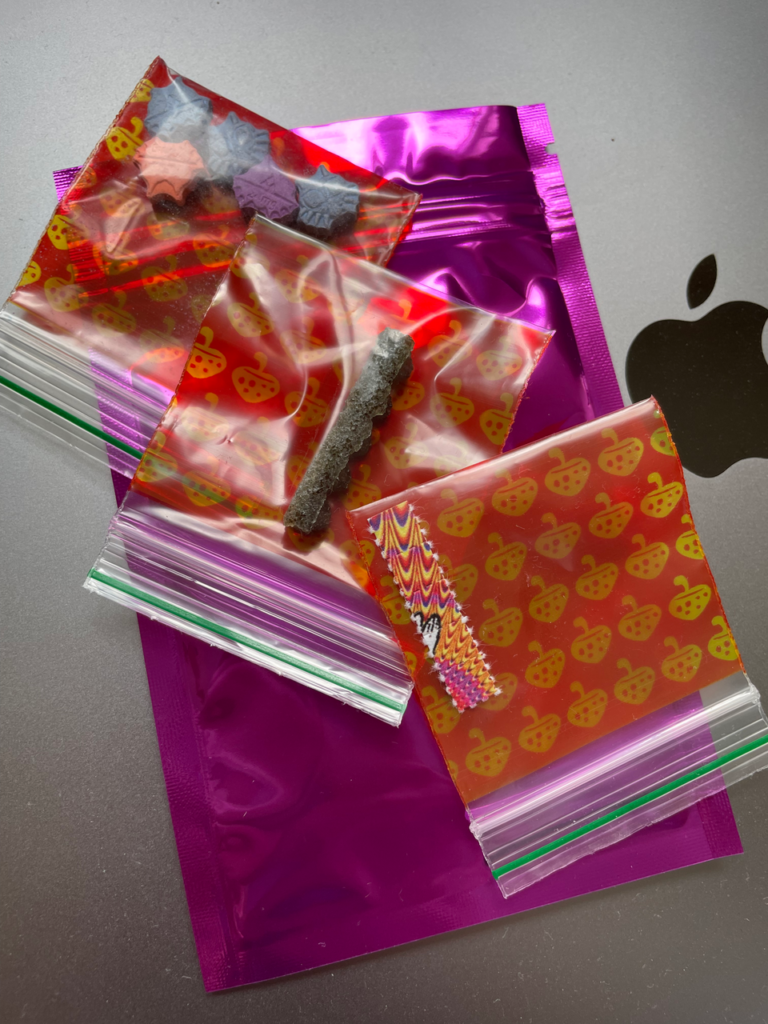
The broader context is fascinating. Psychedelics have been Schedule I for decades — no accepted medical use, high abuse potential. Now we’re seeing real momentum: Breakthrough Therapy designations, growing clinical evidence for depression, PTSD, addiction, and even early moves on ibogaine for alcohol use disorder. Patient stories of life-changing experiences with psilocybin are piling up, especially among those failed by SSRIs and talk therapy.
That said, caution is warranted and welcome. The American Psychiatric Association welcomes more research but warns against rushing approvals without rock-solid data on risks versus benefits. These substances can be powerful — altering perception, mood, and cognition in profound ways. Set, setting, and professional oversight matter enormously. Underground use is already happening; the goal here is to bring it into the light with safety rails.
I’m optimistic but measured. Mental health treatment in America has been stuck in a rut for far too long — sky-high suicide rates, veteran PTSD crises, treatment-resistant depression affecting millions. If these therapies deliver even a fraction of the promise shown in trials, supervised psychedelic sessions could become a legitimate tool in the kit alongside therapy and meds. But “fast-track” can’t mean “skip the hard parts.” Rigorous science, training for providers, insurance questions, and equitable access all need to be sorted.
This feels like a cultural and scientific inflection point. From fringe to frontline — it’s a wild ride, but one worth watching closely. If it works, we could be looking at a genuine paradigm shift in how we treat the mind.
What’s your take — hopeful breakthrough for people in pain, or moving too fast on powerful substances? Either way, the conversation around psychedelics just got a lot more mainstream, and fast.