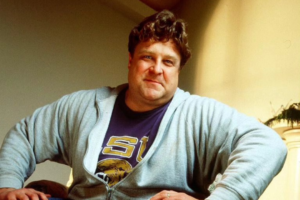
Singer Receives Death Threats After Posting Photo Online Photo
Los Angeles, May 1, 2016 — In a disturbing turn of events that highlighted the dark side of social media, a popular singer found herself facing a barrage of death threats after sharing a simple photo online. The incident sparked widespread concern about online harassment and its toll on personal well-being, drawing attention to how quickly things can spiral out of control in the digital world.
The trouble started when the singer, whose name we won’t repeat for privacy reasons, posted a selfie on her Twitter account. The photo showed her in a casual setting, but some followers took issue with what they saw as an insensitive caption about body image. Critics pounced almost immediately, flooding her mentions with hateful messages that escalated from rude comments to explicit threats on her life. It was a stark reminder of how a single post could ignite a firestorm, especially in 2016 when platforms like Twitter were still figuring out how to handle abuse.
Authorities got involved quickly, investigating the threats and urging the singer to step back from social media for her safety. She released a statement expressing shock and fear, noting that the experience left her feeling isolated and overwhelmed. Fans rallied around her, starting campaigns to counter the negativity, but the damage was already done. This kind of online vitriol isn’t rare, yet it hits harder when it targets public figures who are just trying to connect with their audience.
The health angle was hard to ignore, as experts pointed out how such incidents can lead to serious stress and anxiety. Back then, mental health advocates were pushing for better protections, arguing that constant exposure to harassment could affect anyone’s physical and emotional state. The singer’s ordeal served as a wake-up call, showing that even celebrities aren’t immune to the real harm that comes from behind a screen. It’s stuff like this that makes you think twice about what we share online. In the end, the episode faded from headlines, but it left a mark on the conversation about safer digital spaces.