Judge Upholds Controversial North Carolina Voting Law
RALEIGH, N.C. — On May 10, 2015, a federal judge delivered a blow to voting rights advocates by upholding key parts of North Carolina’s controversial election law. The ruling came amid growing tensions over measures critics said made it harder for certain groups to cast ballots. U.S. District Judge Loretta Biggs decided that provisions like requiring photo identification and shortening early voting periods didn’t violate federal law, a move that kept the 2013 law largely intact despite fierce opposition.
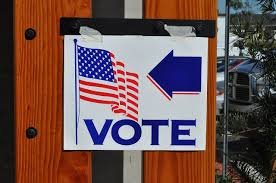
The law, passed by the Republican-led legislature two years earlier, drew fire for what opponents called its discriminatory effects. It eliminated same-day registration, cut the number of early voting days, and imposed strict ID rules, all of which disproportionately impacted Black voters and other minorities, according to groups like the NAACP. They argued the changes echoed the state’s history of voter suppression, especially after the Supreme Court weakened key protections under the Voting Rights Act in 2013. Supporters, though, insisted the rules were needed to prevent fraud and ensure election integrity, a claim that resonated in some conservative circles.
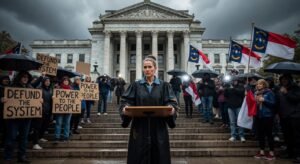
In her decision, Judge Biggs acknowledged concerns about the law’s potential burdens but ultimately sided with state officials, saying there wasn’t enough evidence to prove intentional discrimination. That didn’t sit well with everyone; civil rights leaders quickly condemned the ruling as a step back for democracy. One advocate called it “a dark day for voters,” hinting at possible appeals to higher courts. The backlash highlighted how voting laws had become a flashpoint in the nation’s ongoing battles over access and fairness.
As the 2016 presidential election loomed, this ruling added fuel to the fire in North Carolina, a key swing state. While some saw it as a win for security, others worried it could suppress turnout among those already facing barriers. The fight wasn’t over, with promises of more legal challenges ahead, but for now, the law stood, leaving many to wonder about its real impact on the ground.