Polices Encounter Veteran and his Family who Were Sleeping Their Car Goes
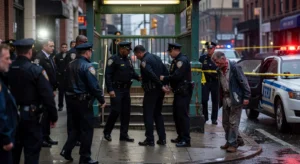
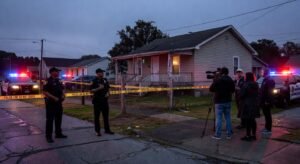
Somewhere in the Midwest, March 8, 2016 — Late one night, a routine police patrol turned into an unexpected encounter when officers spotted a car parked in a quiet lot, its occupants fast asleep inside. The vehicle belonged to a military veteran and his family, who had been living out of the car due to hard times. Officers approached cautiously, suspecting trouble, but what they found was a story of quiet desperation rather than danger.
The veteran, a former Army sergeant who’d served two tours in Iraq, was huddled in the front seat with his wife and young kids in the back. They’d pulled over after a long drive, hoping to catch a few hours of rest before moving on. Police initially treated it as a potential crime scene, shining flashlights and knocking on windows, which startled the family awake. Tensions rose for a moment as the sergeant explained their situation, mentioning recent job loss and mounting bills that had left them homeless. It wasn’t the first time cops had dealt with folks down on their luck, but this one hit different—here was a guy who’d risked his life for the country, now struggling to find a place to sleep.
As the night wore on, the officers’ approach shifted from suspicion to sympathy. Instead of towing the car or making arrests, they called in social services to help connect the family with shelter options and resources for veterans. Word spread quickly through local news outlets, turning the incident into a small flashpoint for broader conversations about homelessness among service members. Back then, reports showed thousands of vets were facing similar plights, and this case brought a human face to the problem.
It’s moments like these that stick with you, showing how a simple traffic stop can reveal deeper issues in American life. The family eventually got the assistance they needed, but the encounter left people wondering why more wasn’t being done to support those who’d served. In the end, it was a reminder that not every police call ends in conflict—sometimes, it just uncovers a need for a little more compassion on the beat.