Congress Votes Block President Obamas Climate Change Measures
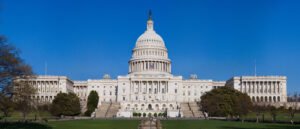
Washington, D.C. – On February 12, 2015, Congress dealt a sharp blow to President Barack Obama’s efforts to tackle climate change, voting to block key parts of his environmental agenda. Lawmakers, mostly Republicans, pushed through measures that targeted regulations aimed at curbing carbon emissions from power plants and other sources. It was a clear sign of the ongoing tug-of-war in Washington, where party lines often overshadowed the urgency of global warming.
The vote centered on resolutions that sought to dismantle aspects of Obama’s Clean Power Plan, a set of rules designed to reduce greenhouse gas pollution. These proposals had faced fierce opposition from fossil fuel interests and conservative lawmakers who argued they would hurt jobs and raise energy costs. In a swift session, the Senate approved the block by a narrow margin, with Democrats split and many Republicans uniting against what they called overreach by the administration. It felt like just another day in the capital’s endless debates, but this one carried real weight for the country’s environmental commitments.
Critics of the decision pointed out that it came at a time when scientists were raising alarms about rising sea levels and extreme weather. Obama had made climate action a cornerstone of his second term, using executive powers to push forward after struggling to get bipartisan support. Supporters of the congressional move, however, celebrated it as a win for economic growth, insisting that strict regulations would burden states still recovering from the recession. One senator even quipped that it was about protecting American workers, not ignoring the planet.
In the end, the vote highlighted the deep divisions that defined Obama’s presidency on issues like this. While it didn’t immediately kill his plans—some measures lingered in the courts—it showed how tough it was to build momentum on climate policy without broad agreement. Folks watching from afar might have shaken their heads, wondering if Washington would ever get past the gridlock to address bigger threats. As the debate raged on, one thing was clear: the fight over the environment was far from over.