President Obama Requests Pension and Expenditure Increases Former
Washington, D.C. – On October 12, 2015, President Barack Obama made a push for higher pensions and increased government spending, laying out a plan that aimed to shore up benefits for federal retirees and pump more money into key programs. This came as part of his annual budget request to Congress, where he argued that these boosts were necessary to address growing economic pressures on middle-class families and public services. It was one of those moments that highlighted the administration’s ongoing tug-of-war with lawmakers over federal priorities.
The proposal sought to raise pension payments for former federal employees by about 1.7 percent, matching adjustments for Social Security recipients, while also calling for billions more in expenditures on infrastructure, education, and healthcare. Obama pointed to sluggish wage growth and rising costs of living as reasons for the changes, saying in a press briefing that “folks who’ve dedicated their lives to public service deserve better.” Critics on Capitol Hill, particularly from the Republican-led Congress, quickly labeled it as another big-government wishlist that would add to the national debt, which was already topping $18 trillion at the time.
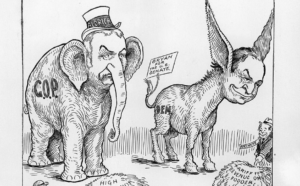
Not everyone was on board, though. Some Democrats praised the moves as a step toward fairness, but others worried about the political fallout in an election year. It felt like a familiar dance: the White House trying to rally support for progressive policies, only to face pushback from fiscal conservatives who saw it as irresponsible spending.
All in all, Obama’s request stirred up the usual debates about balancing the books versus investing in the future. While it didn’t pass without a fight, it underscored how these kinds of proposals often shape the broader conversation on economic policy, even if they don’t always make it into law right away. As the year wore on, it became clear that any real changes would depend on compromise – something Washington wasn’t exactly known for back then.