People Stunned After Finally Learning What “SPAM” Actually Stands For
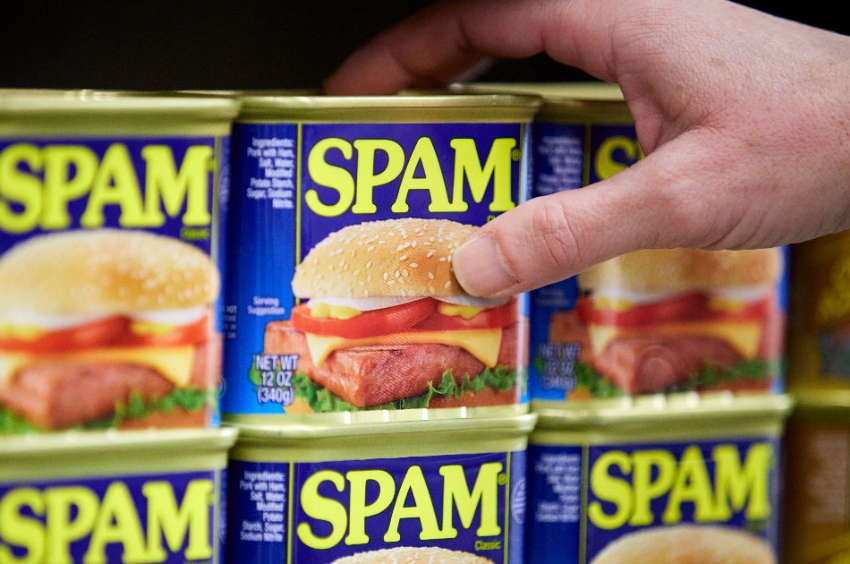
It turns out the familiar word stamped on that iconic purple-and-blue can isn’t what many people assume—and the internet is only just catching up.
Despite decades of confusion online, the name “SPAM” has nothing to do with unwanted emails, nor is it a vague reference to junk meat. The truth behind the famous canned pork product has recently resurfaced, surprising a new wave of social media users who only now realize there’s an origin story behind the label.
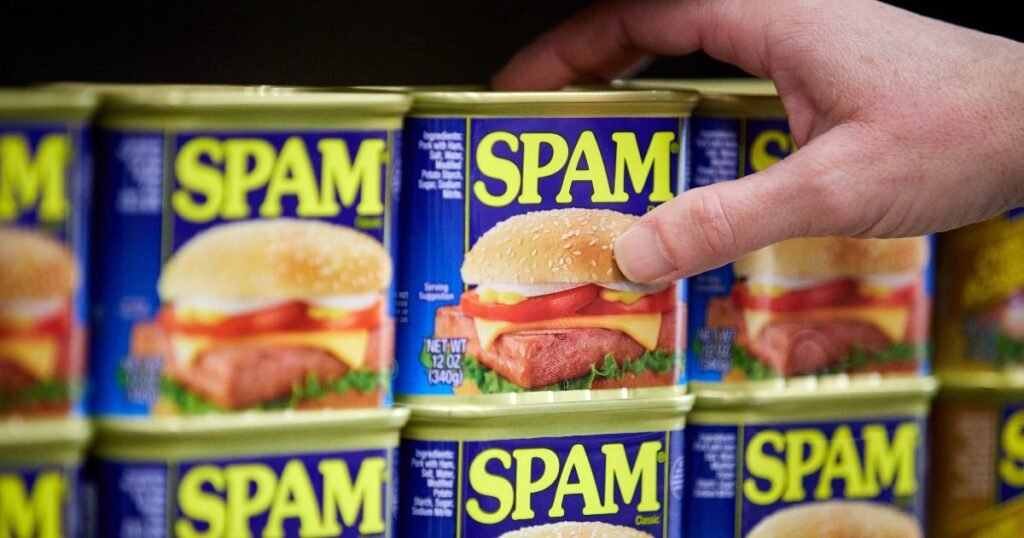
The product was first introduced in 1937 by Hormel Foods, a Minnesota-based food manufacturer that developed the canned meat as an affordable, shelf-stable protein option during the economic strain of the Great Depression.
Made from a simple blend of pork shoulder, salt, water, starch, sugar, and curing agents, the product was designed to be inexpensive, portable, and long-lasting—qualities that later made it especially valuable during wartime.
But while the ingredients are straightforward, the name itself has long fueled speculation.
Across social media platforms, users have repeatedly offered their own interpretations of what SPAM might stand for. Some have jokingly suggested phrases like “salted pork and meat” or “suspicious processed animal matter,” while others assumed it referred to “spiced ham” or even “something posing as meat.”
A few users expressed genuine surprise that the word was not originally an internet-era acronym at all, with some admitting they had gone their entire lives without questioning it.
In reality, the name was created during a naming contest within Hormel. According to historical accounts, the winning entry was “SPAM,” a shortened blend inspired by “spiced ham.” The idea is credited to Ken Daigneau, the brother of a company executive, whose quick, catchy submission reportedly impressed company leadership immediately.

Company founder Jay Hormel later recalled that the name’s simplicity made it instantly memorable and commercially effective, helping it stand out at a time when new packaged foods were flooding the market.
SPAM officially hit store shelves in July 1937 and quickly became a staple food item due to its affordability and long shelf life. Its popularity surged even further during World War II, when it was distributed widely to American troops overseas because it did not require refrigeration.
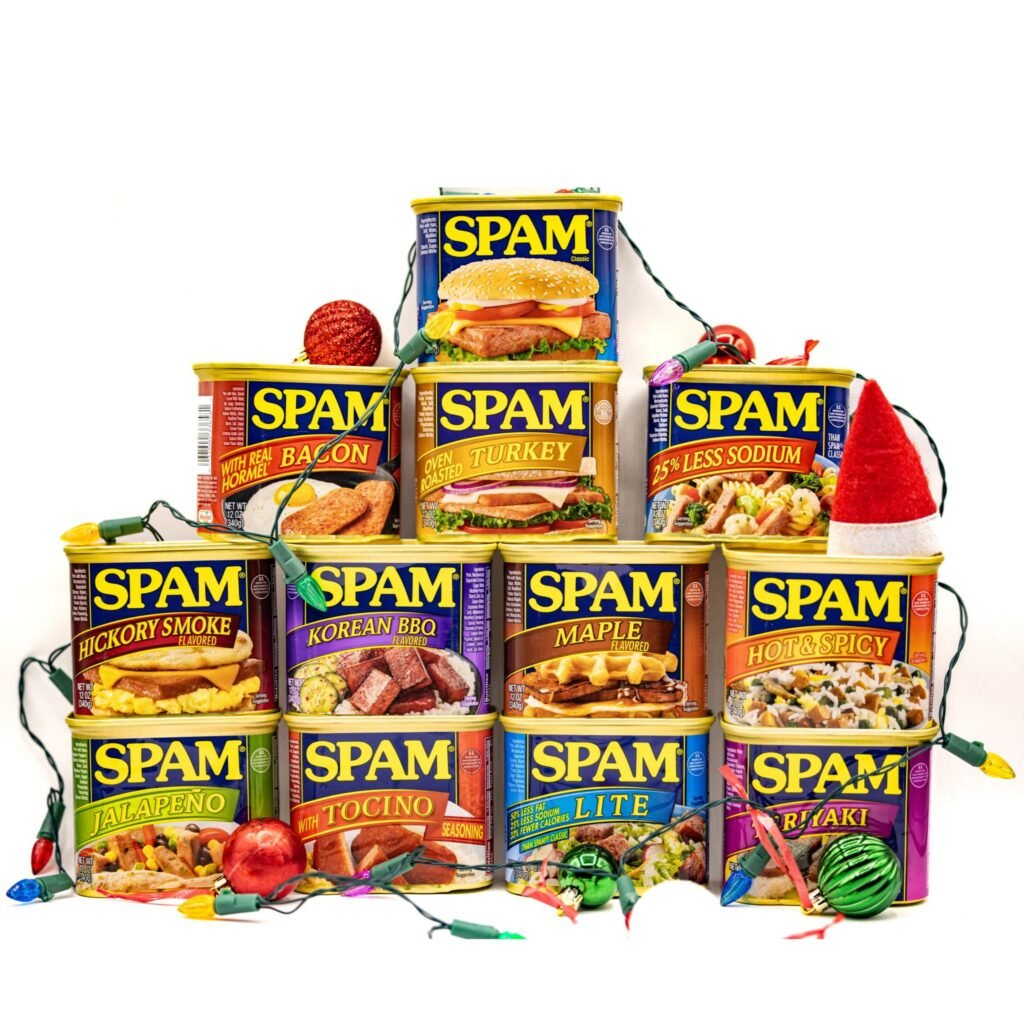
Today, SPAM is sold in dozens of countries and has evolved far beyond its humble beginnings. Once viewed strictly as a budget wartime ration, it has since found a second life in modern cuisine, particularly in fusion dishes influenced by Hawaiian and Asian cooking traditions.
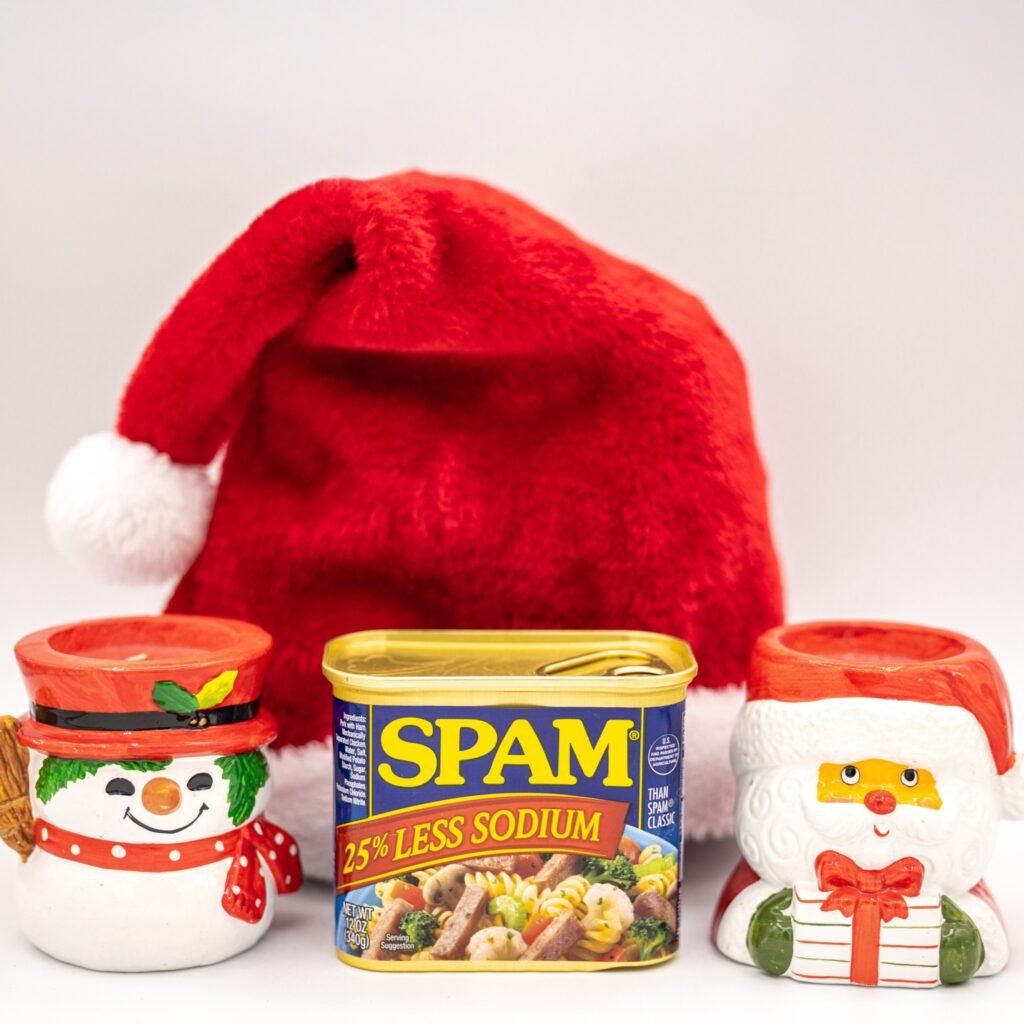
In places like Hawaii, SPAM has become a cultural staple, appearing in everything from fried rice to musubi. Even high-end restaurants have experimented with the ingredient, incorporating it into upscale dishes that would have been unimaginable decades ago.
What started as a simple canned meat product born out of economic necessity has now become a global food icon—and a recurring source of internet confusion that continues to spark viral conversations.