Virginia Legislature Approves Electric Chair Executions
RICHMOND, Va. – On April 10, 2015, Virginia’s legislature made a stark decision that thrust the state back into the national spotlight on capital punishment. Lawmakers approved a bill allowing the electric chair as an alternative method for executions, a move that harked back to older, more brutal times amid ongoing challenges with lethal injection.
The approval came after years of debate over the death penalty’s practicalities. Prisons had struggled to secure the drugs needed for lethal injections due to pharmaceutical companies pulling out or imposing restrictions. This left Virginia, which hadn’t carried out an execution in a while, scrambling for options. Supporters of the bill argued it ensured the state could still enforce death sentences without delays, pointing to a handful of inmates on death row. One lawmaker called it a necessary step to keep the justice system moving, though critics saw it as a step backward.
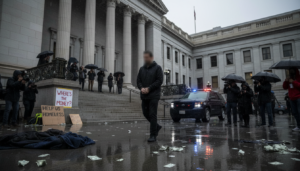
Reactions poured in quickly, with opponents decrying the decision as inhumane. Human rights groups labeled it a dark turn, noting that the electric chair had long been phased out in most places because of its painful history. I remember thinking at the time how this felt like a throwback to the 20th century, when such methods were more common, and it left a lot of people uneasy about America’s approach to justice. Protests erupted outside the capitol, and national media zeroed in on Virginia as a test case for evolving standards.
In the bigger picture, this vote highlighted the uneven patchwork of death penalty policies across the U.S. While some states were moving to abolish capital punishment altogether, Virginia doubled down on its commitment. The bill sailed through with bipartisan support, but it also sparked fresh conversations about ethics and reform. By the end of that week, the governor signed it into law, setting the stage for potential executions that many hoped would never happen. It was a reminder that, even in 2015, the debate over how we handle the worst crimes was far from settled.