Nypd Allegedly Questioned Woman Wearing Arabic T Shirt
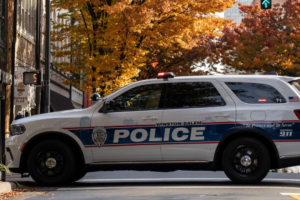
New York (AmericaNews.com) – On August 8, 2015, a woman in the city found herself in the spotlight after police reportedly pulled her aside for wearing a T-shirt with Arabic script. According to accounts from that day, the woman was going about her routine when NYPD officers approached her in a public space, asking questions that seemed tied directly to the language on her shirt. It was a moment that left her shaken, and it quickly drew attention to how everyday items can spark suspicion in a post-9/11 world.
Witnesses and the woman herself described the encounter as tense, with officers citing vague concerns about potential threats. She wasn’t alone; friends who were with her said the questioning felt intrusive and unfounded, lasting around 20 minutes before she was allowed to go. At the time, the NYPD hadn’t released an official statement, but sources suggested it might have stemmed from heightened security alerts. For many New Yorkers, this incident highlighted the fine line between public safety and profiling, especially for those from Middle Eastern backgrounds who often face extra scrutiny.
As news of the event spread online, it sparked a mix of outrage and debate. Social media users pointed out that the T-shirt simply featured a common Arabic phrase, something innocuous like a quote from poetry, not anything radical. Critics argued it was another example of overzealous policing that erodes trust in law enforcement. I have to say, it’s frustrating to see how quickly assumptions can escalate into real confrontations, particularly when they’re based on language rather than actual evidence.
In the days that followed, civil rights groups called for a review of the NYPD’s practices, emphasizing the need for better training on cultural sensitivity. While the woman chose not to press charges, her story served as a reminder of the broader issues at play in America’s ongoing conversation about security and freedom. All in all, it was a small incident with potentially big ripple effects, urging people to think twice about snap judgments in a diverse city like New York.