Dead or Missing Scientists Pose “National Security Threat,” Top House Republican Warns as Oversight Committee Launches Probe
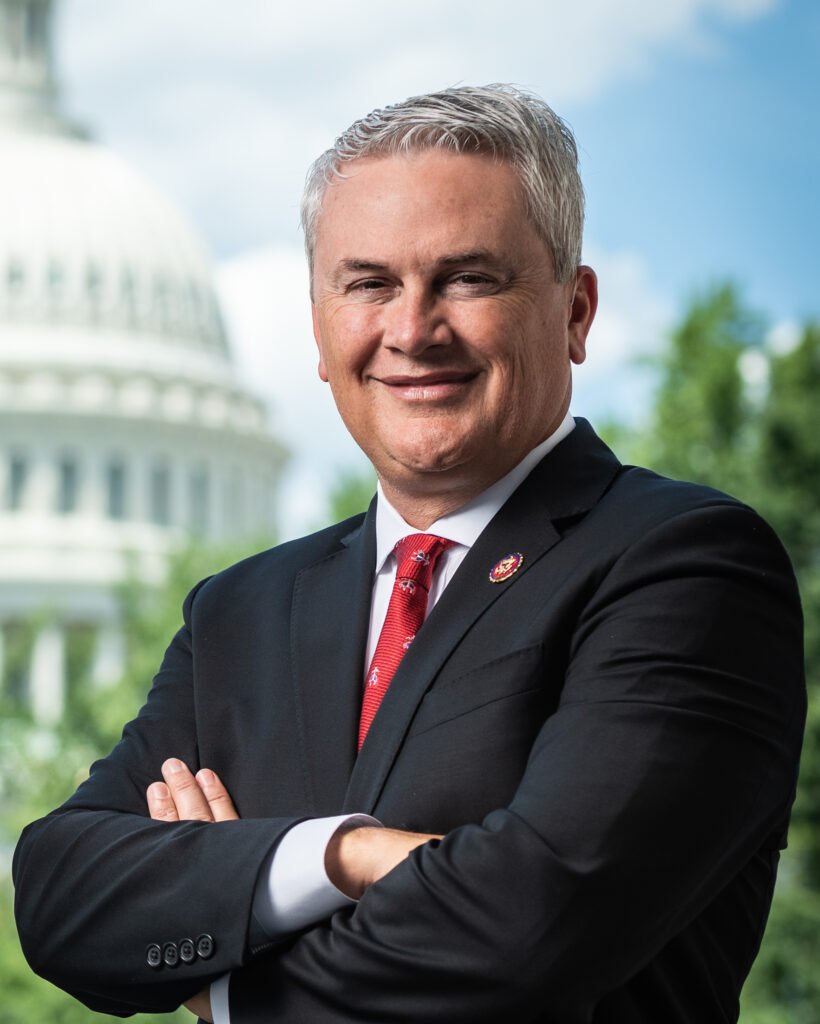
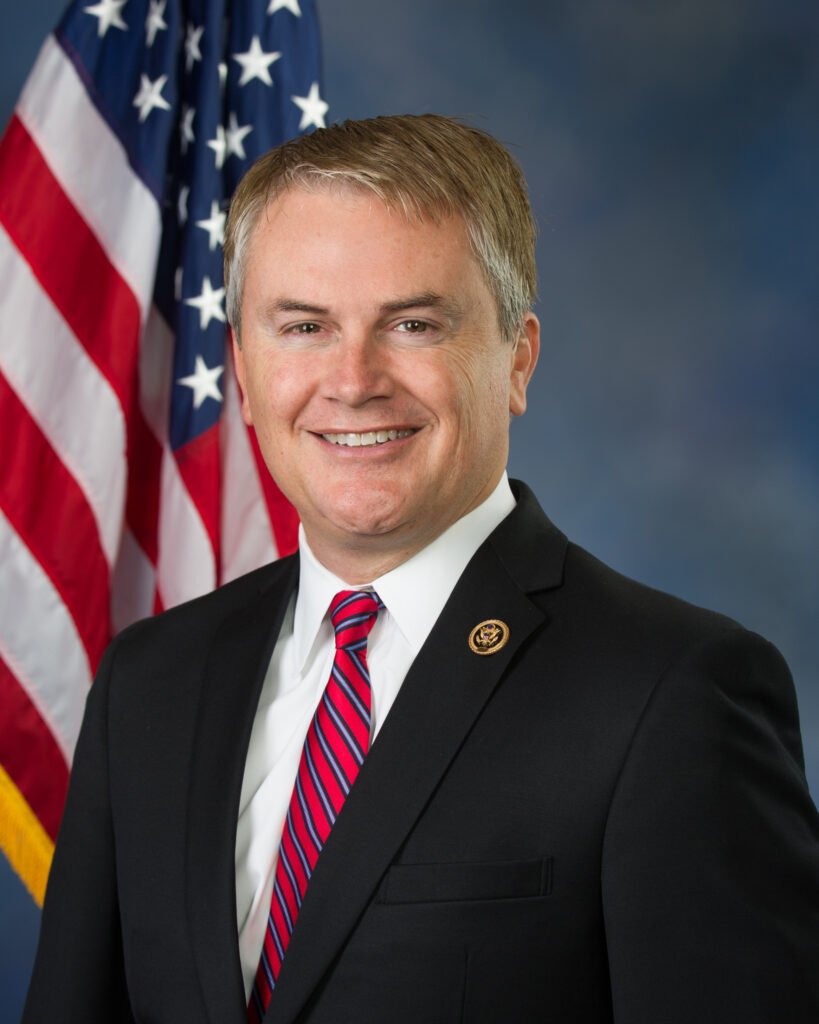
House Oversight Committee Chairman James Comer (R-Ky.) has declared a series of deaths and disappearances involving at least 11 American scientists and researchers with ties to sensitive national security programs a potential “national security threat,” vowing that his committee will make the matter one of its top priorities. In remarks on Fox News, Comer stated that the pattern “does appear that there’s a high possibility that something sinister is taking place here,” adding that “it’s very unlikely that this is a coincidence.”
The cases, spanning roughly 2022 to early 2026, involve experts in aerospace, nuclear technology, space missions, fusion research, anti-gravity concepts, and related defense fields. They include both deaths with limited public information on causes and outright disappearances, some involving individuals who left their homes without phones, identification, or other essentials. While no official links have been confirmed between the incidents, the concentration of expertise in strategically vital areas has alarmed lawmakers amid intensifying great-power competition with China, Russia, and Iran.
Among those cited are Michael David Hicks, a NASA Jet Propulsion Laboratory scientist who contributed to the DART asteroid-deflection mission and Deep Space 1; Frank Maiwald, another JPL principal researcher; Monica Reza, JPL’s former director of materials processing who vanished while hiking in California’s Angeles National Forest in June 2025; Anthony Chavez and Melissa Casias from Los Alamos National Laboratory; Steven Garcia, a government contractor at a New Mexico facility tied to the Kansas City National Security Campus; Nuno Loureiro, director of MIT’s Plasma Science and Fusion Center, fatally shot at his home in December 2025; Caltech astrophysicist Carl Grillmair, who worked on NASA’s NEOWISE and NEO Surveyor missions and was shot on his porch in February 2026; retired Air Force Maj. Gen. William “Neil” McCasland, who vanished from his New Mexico home on February 27, 2026; Amy Eskridge, a researcher focused on anti-gravity technology who died in 2022; and pharmaceutical researcher Jason Thomas, whose body was recovered in March 2026.
Rep. Eric Burlison (R-Mo.), chairman of a House subcommittee on economic growth and energy policy, has echoed Comer’s concerns, suggesting the incidents bear “all the hallmarks of a foreign operation.” He pointed to U.S. competition with adversaries in nuclear technology, advanced weapons, and space, noting that the loss of top talent in these domains could have serious strategic consequences. Letters have been sent to the Departments of Defense and Energy, NASA, and the FBI requesting briefings by April 27 and detailed information on the cases.

FBI Director Kash Patel confirmed that the bureau is actively compiling evidence on each individual. President Trump has described the situation as “pretty serious stuff” while expressing hope that the events prove coincidental, noting that an update could come within the next week and a half. The White House has indicated it is reviewing the matter.
Not all experts share the alarm. Retired FBI agent Jennifer Coffindaffer cautioned against lumping disparate cases together, arguing that it risks fueling unfounded conspiracy theories. She specifically noted that Loureiro’s death occurred shortly after a mass shooting at Brown University and appeared connected to that incident rather than any broader plot. Skeptics emphasize that large research institutions naturally experience tragic events, and statistical clusters can arise without sinister coordination.
From a national-security standpoint, the lawmakers’ concerns are not frivolous. Scientists and engineers with access to classified material on asteroid defense, nuclear weapons components, fusion energy, propulsion systems, and space domain awareness represent high-value targets for foreign intelligence services. China’s well-documented efforts to acquire advanced U.S. technology through talent programs, cyber espionage, and other means make the pattern worthy of rigorous examination. The involvement of personnel from flagship institutions like JPL and Los Alamos—cornerstones of America’s technological edge—amplifies the stakes.
In my assessment, Comer and Burlison are right to demand transparency and inter-agency coordination. Excessive secrecy or bureaucratic silos have historically allowed vulnerabilities to fester in sensitive programs. At the same time, caution is essential. Grouping unrelated tragedies under a single narrative can distort public understanding and distract from genuine threats such as routine espionage, insider risks, or mental-health challenges among high-pressure researchers. The inclusion of cases like Loureiro’s, where alternative explanations appear stronger, illustrates the risk of confirmation bias. A professional, evidence-based review—focusing on digital forensics, travel records, foreign contacts, and security protocols—should guide the inquiry rather than preconceived notions of cover-ups or extraterrestrial angles.

The episode also highlights broader challenges in protecting critical human capital. In an era of intensifying technological rivalry, the United States cannot afford to lose expertise through preventable means—whether natural, accidental, criminal, or adversarial. Enhanced counterintelligence training, improved physical and digital security for cleared personnel, better mental-health support, and more robust information-sharing across agencies are sensible steps regardless of what the facts ultimately reveal about these specific cases.
Congress’s decision to prioritize the matter through formal letters and briefings is appropriate oversight. Yet the real test will be whether the investigation produces actionable insights rather than headlines. If foreign involvement is uncovered, it would demand a forceful response. If the cases prove largely coincidental, the exercise can still strengthen safeguards for the next generation of scientists advancing America’s edge in space, nuclear deterrence, and emerging technologies.
For now, the absence of clear connections should temper speculation while the absence of satisfactory explanations should sustain scrutiny. The American public and the scientific community deserve clarity on whether these losses represent isolated tragedies or a pattern that threatens national competitiveness and security. In the contest for technological supremacy, safeguarding the minds that drive innovation is not a peripheral concern—it is a strategic imperative.