Trump’s Psychedelic Pivot: Executive Order Accelerates Review of Mind-Altering Drugs for Mental Health Crisis
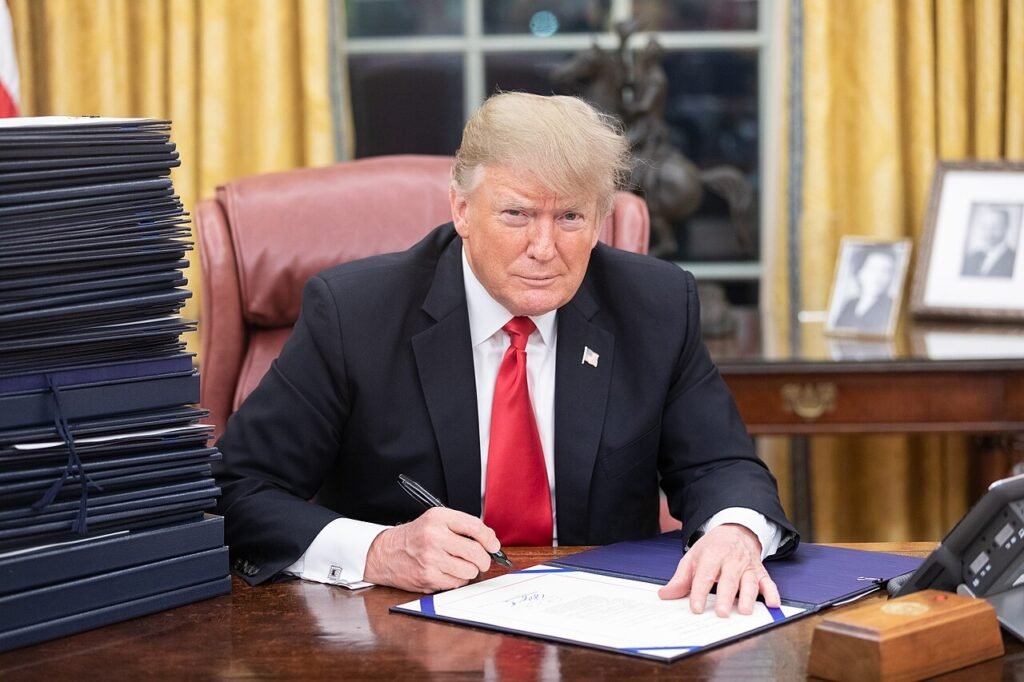
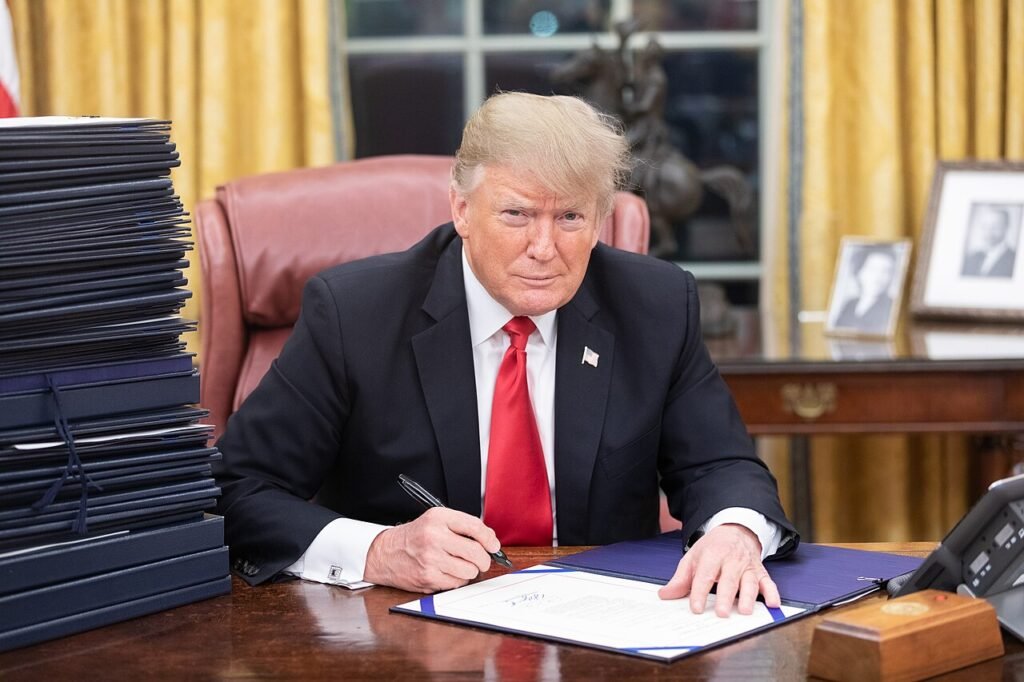
President Donald Trump signed an executive order on Saturday directing federal agencies to fast-track the review and potential approval of psychedelic compounds for treating serious mental health conditions, including depression, anxiety, and post-traumatic stress disorder. The directive allocates $50 million in new funding to expand access and research, while instructing the Food and Drug Administration to issue national priority review vouchers for three unspecified psychedelics—potentially slashing approval timelines from months to weeks. It marks the first time the FDA has extended such expedited status to this class of substances.
The signing ceremony in the Oval Office carried an unusually informal tone. Flanked by Health and Human Services Secretary Robert F. Kennedy Jr., Centers for Medicare and Medicaid Services Administrator Dr. Mehmet Oz, former Navy SEAL Marcus Luttrell, and podcast host Joe Rogan, Trump quipped to laughter, “Can I have some, please?” Rogan referenced prior conversations with the president about ibogaine, prompting Trump to reply, “Sounds great. Do you want FDA approval? Let’s do it.” Luttrell, a prominent advocate, credited the substance with transforming his life after years of struggle with trauma.
The order targets substances currently classified as Schedule I drugs by the Drug Enforcement Administration—compounds deemed to have no accepted medical use and high abuse potential. These include psilocybin (the active ingredient in “magic mushrooms”), ibogaine (derived from the West African iboga plant and previously explored for addiction treatment), and others such as MDMA and LSD. No psychedelic has yet received full FDA approval for psychiatric use, though several are in advanced clinical trials. In 2024, the agency rejected an application for MDMA-assisted therapy for PTSD, citing concerns over trial integrity and the confounding role of accompanying psychotherapy.
The administration frames the move as a pragmatic response to a deepening national mental health emergency. More than 14 million American adults suffer from serious mental illness, with roughly 8 million on prescription medications. An estimated 21 million have experienced at least one major depressive episode, and about one in 10 adults has been diagnosed with generalized anxiety disorder. The order highlights promising early data from trials involving active-duty military personnel and veterans with PTSD, noting Department of Veterans Affairs participation in at least five studies across New York, California, and Oregon.

A 2025 study published in the Journal of the American Medical Association found that a single dose of LSD could alleviate symptoms of anxiety and depression for months in some patients. Proponents argue that psychedelics, when administered in controlled therapeutic settings with professional guidance, offer rapid and durable relief where traditional antidepressants often fall short—particularly for treatment-resistant cases.
From a policy standpoint, the executive action represents a notable departure for a Republican administration long associated with tough-on-drugs rhetoric. It aligns with growing bipartisan interest in reforming outdated restrictions that have hampered research since the 1960s, when recreational use led to a near-total shutdown of government-funded psychedelic studies. The 1950s and early 1960s saw legitimate scientific exploration of these compounds for addiction and psychiatric disorders before the cultural backlash of the counterculture era.
In my assessment, the order is a bold but risky bet on emerging science at a moment when mental health costs—measured in lost productivity, suicide rates, and strained health systems—are undeniably high. Expedited review can accelerate innovation, but it must not come at the expense of rigorous safety and efficacy standards. Past FDA hesitation, such as the 2024 MDMA rejection, stemmed from legitimate methodological concerns, including the difficulty of blinding trials when participants experience profound altered states. Psychedelic-assisted therapy is not simply a pill; it involves intensive psychological support, raising questions about scalability, therapist training, and equitable access. Ibogaine, in particular, carries known cardiac risks that demand careful monitoring.
Skeptics worry that political enthusiasm—fueled by high-profile endorsements from figures like Rogan and Luttrell—could outpace the evidence base. While small and medium-sized trials show promise, large-scale, long-term data remain limited. Reclassification from Schedule I would remove significant research barriers, yet it could also complicate efforts to prevent misuse or diversion. Oregon and Colorado have already moved ahead with regulated psilocybin therapy at the state level, providing real-world laboratories that federal policymakers should study closely for both benefits and unintended consequences.
The $50 million investment and priority vouchers signal serious intent, potentially unlocking expanded access under existing pathways such as the Right to Try Act for patients with life-threatening conditions. Yet success will ultimately hinge on whether these compounds demonstrate consistent, replicable results in diverse populations without exacerbating underlying vulnerabilities such as psychosis risk in predisposed individuals.
For veterans and others grappling with treatment-resistant PTSD or depression, the order offers hope that stalled progress may finally accelerate. The involvement of the VA and emphasis on military applications reflect a recognition that conventional therapies have left too many behind. At the same time, broader societal questions loom: how to integrate these powerful experiences into mainstream medicine without romanticizing altered consciousness or minimizing the need for ongoing support.
Trump’s lighthearted remarks during the signing may have drawn laughs, but the underlying crisis is no joke. Mental health disorders impose an enormous economic and human toll. If psychedelics—properly studied, regulated, and delivered—can deliver meaningful relief, the administration’s willingness to challenge long-standing taboos deserves credit. The real test will come in the months ahead as the FDA conducts its accelerated reviews and researchers generate the high-quality evidence needed for safe, widespread adoption.
In an era when mental health has moved from the shadows into urgent public debate, this executive order could represent a watershed. Whether it ultimately saves lives and restores functioning—or adds another chapter of overhyped promise followed by disappointment—will depend on science prevailing over spectacle. For now, the door long bolted shut by policy and stigma has been nudged open. The coming data will determine how wide it swings.