Minnesota Election Judge Pleads Guilty to Allowing 11 Unregistered Voters to Cast Ballots in 2024 General Election
PARK RAPIDS, Minn.—A 65-year-old man who served as head election judge in a small northern Minnesota precinct has pleaded guilty to a felony charge after he allowed 11 unregistered individuals to vote during the November 2024 general election, according to court records and local prosecutors.
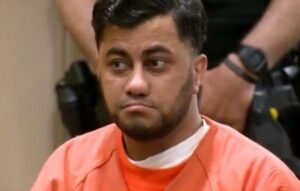
Timothy Michael Scouton, of Nevis, Minnesota, entered the plea on March 23, 2026, in Hubbard County District Court to one count of accepting the vote of an unregistered voter. A second charge of neglect of duty by an election official was dismissed as part of the agreement. Sentencing is scheduled for May 18, 2026. Each felony count carried a maximum penalty of five years in prison and a $10,000 fine.
The incident occurred at the Badoura Township precinct in Hubbard County, a rural area east of Park Rapids with a small population. Scouton, who had completed basic election judge and head judge training in July 2024, was responsible for overseeing operations at the polling place.
According to the criminal complaint, Hubbard County Auditor Kay Rave discovered the irregularity after no completed voter registration forms were included among the ballots and materials returned from the precinct. Two other election judges told investigators from the Hubbard County Sheriff’s Office that Scouton had directed them not to use the registration forms and instructed that new voters only needed to sign the back of a book. Scouton was interviewed at the sheriff’s office, where he was advised of his rights but declined to make a statement before his arrest.
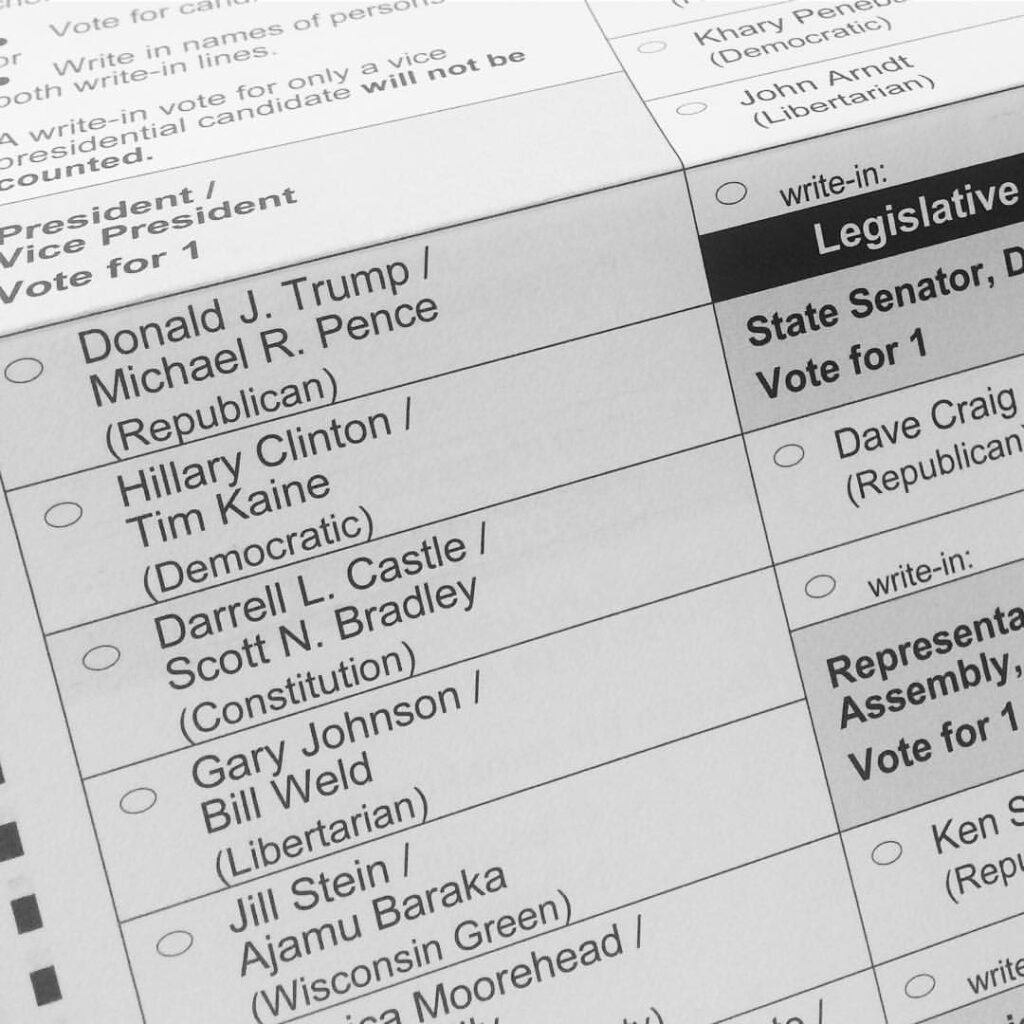
Minnesota law permits same-day voter registration at the polls, allowing eligible residents to register and vote on Election Day by completing the proper forms and providing required identification or proof of residency. In this case, the individuals were not properly registered under the established procedures.
The case has drawn limited public comment. The Minnesota Secretary of State’s Office has indicated it is unaware of similar charges being filed against any other election judge in the state. No motive was disclosed in court documents, and Scouton has not made public statements regarding the incident. He continues to serve as township clerk in Badoura, according to some local reports.
Hubbard County is one of Minnesota’s smaller jurisdictions, far from the state’s urban centers. The 2024 general election in Minnesota saw high turnout, consistent with the state’s long record of strong civic participation. Minnesota routinely ranks among the top states in voter turnout, often exceeding 70% in presidential years.
This isolated case occurs amid broader national and state-level discussions on election administration, voter registration processes and integrity safeguards. Minnesota’s same-day registration system, in place for decades, is designed to maximize access while incorporating checks such as affidavits and, in some instances, vouching by registered voters from the same precinct. Critics have occasionally raised concerns about potential vulnerabilities in such systems, particularly around vouching procedures or administrative lapses, while supporters point to the state’s robust post-election audits and low rates of proven fraud.
Available data suggest that documented instances of voter fraud in Minnesota remain rare relative to the volume of ballots cast. A 2024 academic study by a University of St. Thomas law professor found only three convictions related to noncitizen voting irregularities in the state between 2015 and 2024, out of more than 13 million total votes cast in general and primary elections. Other isolated cases, such as a 2025 federal guilty plea involving a conspiracy to submit hundreds of fraudulent voter registration applications, resulted in no ineligible ballots being cast due to existing verification processes.
Nationally, comprehensive databases tracking proven election fraud cases, such as the Heritage Foundation’s Election Fraud Database, catalog hundreds of instances across decades and all 50 states, encompassing various types including absentee ballot fraud, false registrations and ineligible voting. However, researchers across the political spectrum generally characterize such occurrences as infrequent and not systematic enough to alter statewide or national outcomes in modern elections. The Brennan Center for Justice and other organizations have similarly concluded that proven fraud is exceedingly rare, though debates persist regarding the adequacy of detection mechanisms and the potential for undetected incidents.
Election administration relies heavily on thousands of local poll workers, many of them volunteers or part-time officials like Scouton. Training and oversight vary by jurisdiction, and human error or procedural misunderstandings can occur, particularly in smaller precincts with limited staff. Following the 2020 and 2024 cycles, numerous states have reviewed and adjusted training protocols, poll-watcher rules and auditing procedures in response to public concerns over integrity.
In Minnesota, post-election reviews conducted by nonpartisan groups, including the League of Women Voters, have consistently affirmed the accuracy of vote counts in recent cycles. At the same time, ongoing federal and state-level scrutiny of voter rolls—prompted in part by broader debates over citizenship verification and registration maintenance—has led to lawsuits and legislative proposals aimed at tightening standards.
The Scouton case illustrates the mechanisms states use to address irregularities when they surface: local audits, sheriff’s investigations and prosecutorial review leading to charges. It also highlights the tension between policies intended to facilitate voting and the need for strict adherence to procedural safeguards at every polling place.
As sentencing approaches, the outcome may offer further insight into how Minnesota courts handle such offenses involving election officials. For now, the plea resolves one of the few publicly reported felony cases involving an election judge in the state’s recent history, serving as a reminder that even in high-trust election environments, individual compliance with established rules remains essential to maintaining confidence in the process.
Hubbard County officials have not released additional details on the impact, if any, of the 11 ballots on local race outcomes. The precinct’s small size suggests any effect would have been negligible at the county or state level.