Study: Cannabis Ineffective for Most Mental Disorders
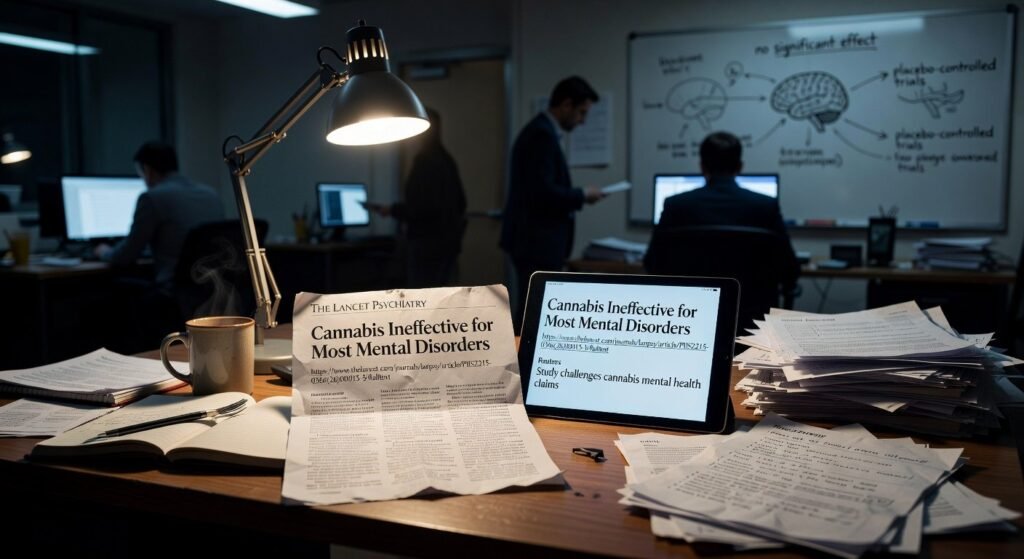
A major review of past studies has delivered a clear verdict on the role of cannabis-based medicines in treating mental health and substance-use disorders, concluding that they offer little evidence of effectiveness for most conditions. This comprehensive analysis, which scrutinized a vast array of research, challenges the growing enthusiasm surrounding cannabis as a potential remedy for issues like anxiety, depression, and addiction. As reported by Reuters on March 17, 2026, the findings were published in a prestigious medical journal, highlighting the importance of relying on robust scientific evidence rather than anecdotal reports or popular trends.
To understand the significance of this review, it’s essential to consider the historical context of cannabis in medicine. Cannabis, derived from the plant Cannabis sativa, has been used for centuries in various cultures for its purported therapeutic properties. In modern times, compounds like THC and CBD have gained attention for their potential to alleviate symptoms of certain physical ailments, such as chronic pain, nausea associated with chemotherapy, and seizures in epilepsy. However, the application of cannabis to mental health disorders has been more contentious. Proponents have argued that it could help with conditions like post-traumatic stress disorder (PTSD), schizophrenia, or opioid dependence, based on preliminary studies and user testimonials. Despite this, regulatory bodies like the FDA have approved only a handful of cannabis-derived products for specific uses, emphasizing the need for high-quality clinical evidence.

The review in question represents a systematic effort to aggregate and evaluate existing research on cannabis-based treatments for mental health and substance-use disorders. Researchers likely employed rigorous methodologies, such as meta-analyses, to synthesize data from randomized controlled trials, observational studies, and other sources. This approach allows for a more comprehensive assessment than individual studies might provide, accounting for variables like dosage, delivery methods, and patient demographics. The review examined evidence related to a broad spectrum of disorders, including mood disorders, anxiety disorders, psychotic disorders, and substance dependencies. What emerged was a pattern of inconclusive or negative results, with few studies demonstrating significant benefits that outweighed potential risks, such as cognitive impairment, dependency, or exacerbation of symptoms in some cases.
Cannabis-based medicines have shown little evidence of effectiveness for treating most mental health and substance-use disorders, according to a large review of past studies published in a major medical journal https://t.co/5Wqk9XF0qh
— Reuters (@Reuters) March 17, 2026
This outcome underscores a critical gap in the evidence base for cannabis as a mental health intervention. In recent years, the legalization of cannabis for medical and recreational use in various regions has fueled public interest and commercial promotion of its benefits. However, this review serves as a reminder that not all natural substances are universally effective or safe. For instance, while some early research suggested that CBD might reduce anxiety in social situations, larger-scale reviews have often failed to replicate these findings or have highlighted methodological flaws in prior studies. Similarly, in the realm of substance-use disorders, cannabis has been explored as a harm-reduction tool for opioid addiction, but the evidence remains weak, potentially due to the complex neurobiology of addiction and the risk of substituting one dependency for another.
Delving deeper into the implications, this review could influence clinical guidelines and prescribing practices. Healthcare providers might become more cautious in recommending cannabis-based products for mental health issues, opting instead for therapies with stronger evidence, such as cognitive-behavioral therapy, antidepressants, or anti-anxiety medications. It also raises questions about resource allocation in research funding, encouraging a shift towards investigating other promising avenues, like psychedelic-assisted therapy or digital mental health tools. Moreover, as public health policies evolve, policymakers may use these findings to inform regulations on cannabis marketing, ensuring that claims about mental health benefits are substantiated by science to protect consumers from misinformation.
From a broader perspective, the long-term implications of this review extend to the ongoing debate about evidence-based medicine versus alternative treatments. In an era where misinformation can spread rapidly through media and social platforms, studies like this reinforce the value of peer-reviewed research in shaping health decisions. It highlights the potential for cannabis to be overhyped, much like other supplements or fad diets that promise miraculous cures without solid backing. Over time, this could lead to more standardized research protocols for plant-based medicines, fostering collaborations between botanists, pharmacologists, and psychiatrists to better understand how compounds interact with the human brain. Ultimately, while cannabis may hold promise for specific applications, this review emphasizes the need for patience and thorough investigation before integrating it into mainstream mental health care.
Another angle to consider is the economic impact. The cannabis industry has grown exponentially with legalization, and companies often market products for mental wellness. This review might prompt regulatory bodies to scrutinize advertising claims more closely, potentially affecting market dynamics and consumer trust. For patients, it means advocating for personalized treatment plans based on individual needs and proven efficacy, rather than jumping on bandwagons. Researchers might respond by designing more targeted studies, exploring subgroups where cannabis could be beneficial, such as in palliative care or specific genetic profiles, thereby refining our understanding over the coming years.
In summary, the review’s findings represent a pivotal moment in the discourse on cannabis and mental health. By providing a dispassionate analysis of the available evidence, it calls for a more measured approach to integrating cannabis into therapeutic practices. As society continues to navigate the complexities of mental health treatment, this study serves as a foundational reference, promoting skepticism of unverified claims and encouraging investment in rigorous, innovative research to address the global burden of mental disorders.
Photo: Cannabis Action Network / Wikimedia Commons, CC0