Deveillance Launches Spectre I to Block Audio Recordings

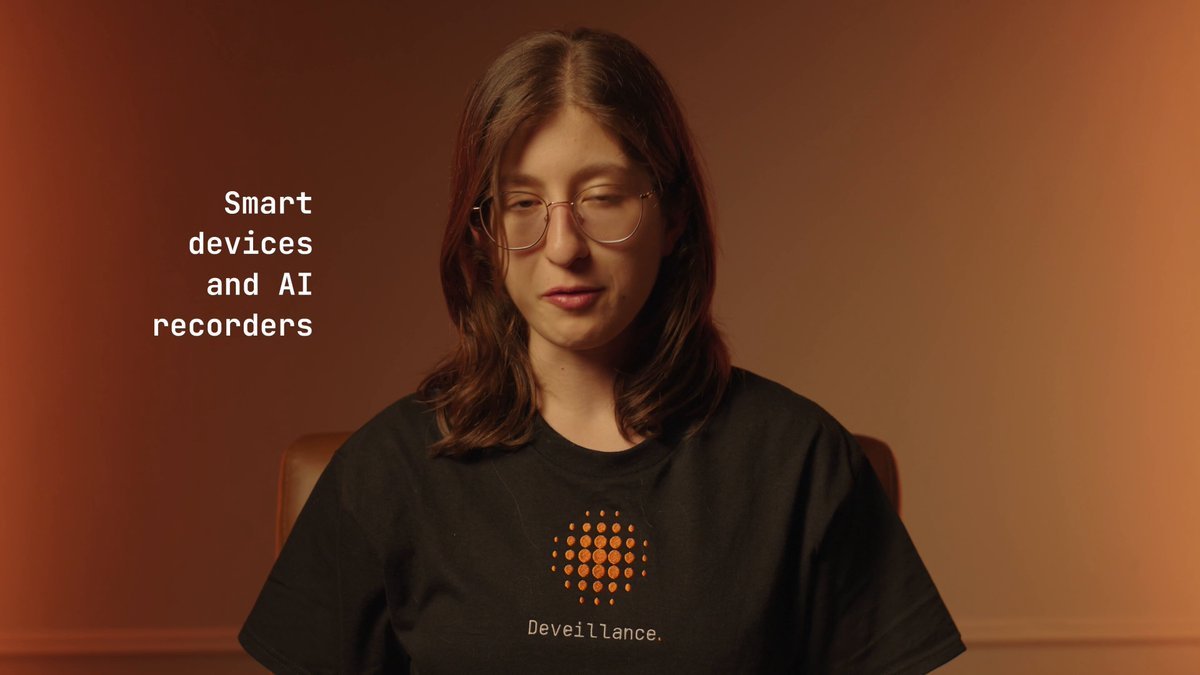
Aida Baradari, founder of Deveillance, grabbed headlines on March 3, 2026, with her X post announcing Spectre I. The device fights back against unwanted audio recordings in a world overrun by gadgets like Amazon’s Alexa and AI from Google and Apple. Baradari, posting as @aidaxbaradari, slammed these tech giants for snooping on private chats—everything from business deals to family moments. She hailed Spectre I as a way for people to silence unauthorized listeners and reclaim their space. The launch taps into rising anger over constant surveillance, as Baradari wrote: “Today, we’re introducing Spectre I, the first smart device to stop unwanted audio recordings. We live in a world of always-on listening devices. Smart devices and AI dominate our world in business and private conversations. With Deveillance, you will @be_inaudible.” Her post, featuring an image of the gadget, spread fast and hit a nerve.
Spectre I relies on cutting-edge tech to jam audio capture. It deploys signal masking, noise cancellation, and ultrasonic tricks to shield talks from prying ears. For instance, the device blasts counter-signals that drown out nearby mics, foiling smart assistants or hidden recorders. Baradari showed off Spectre I as a small, sneaky item—like a pin or clip—that users can whip out anywhere, from boardrooms to coffee shops. This setup lets people guard their privacy quietly, pushing back as Amazon and Google pack mics into everyday stuff like hubs and phones. With options to block certain frequencies or react to threats, Spectre I lets consumers take charge against the surveillance machine.

Privacy woes have built for years, thanks to voice gadgets like Amazon’s Echo since 2014 and Google Home since 2016. Folks got convenience, but paid with their security. Take the 2019 Alexa blunder, where private talks leaked to strangers. Worse, the 2023 Meta breach exposed how social media grabbed audio without permission, fueling backlash. This hit sectors from finance to healthcare, where secrets matter most. Baradari’s Spectre I takes on Big Tech’s data grab, which banks on endless collection for ads and algorithms.
Today, we're introducing Spectre I, the first smart device to stop unwanted audio recordings.
We live in a world of always-on listening devices.
Smart devices and AI dominate our world in business and private conversations.
With Deveillance, you will @be_inaudible. pic.twitter.com/WdxmnyFq1I
— Aida Baradari (@aidaxbaradari) March 3, 2026
Tech experts mostly back Spectre I as a solid advance. The Electronic Frontier Foundation called it a win for user control. Sarah K., a senior researcher there, said, “Spectre I gives people the power to ditch invasive surveillance.” Still, cybersecurity pros at the Center for Democracy and Technology warn about risks, like messing with emergency calls. This push for smart innovation means fixing problems before they start.
Baradari’s reveal sparked quick buzz online, showing the clash over privacy versus control. On X and Reddit, fans cheered Spectre I as a slap at Big Tech bullies, with #TakeBackPrivacy trending. Activists shared stories of secret recordings at work or in public, saying the device stops abuses and boosts freedom. But skeptics fretted it could hide wrongdoing, like dodging cops or rules. One X debate raged over the 2023 Meta mess, with some defending it as essential protection and others fearing criminal uses. This split underscores why we need checks to ensure the gadget works safely.
Spectre I might transform audio privacy in offices, governments, and daily life. In business, it could lock down sensitive info in banking or pharma, where hacks steal secrets. On the policy front, it fits with tough rules like the EU’s GDPR and could sway U.S. laws cracking down on Big Tech’s audio snooping. This could kick off a race for privacy gadgets, maybe even AI filters that block sound and encrypt data, shaking up how tech handles rights.
Of course, Spectre I has downsides. If only the wealthy buy it, it widens the privacy gap. In dictatorships, it might cover up protests or crimes, posing real ethical issues. Baradari mentioned Deveillance’s plans for apps to spot hidden mics and ongoing wearables. This points to privacy tech going mainstream, but it’ll take teamwork from builders, officials, and everyday folks to handle the risks.
Spectre I marks a bold stand against surveillance creep. Baradari’s move urges us to put personal rights first amid tech’s wild growth. This gadget gives people real tools to fight audio invasions, possibly sparking reforms that make privacy a basic right. As Big Tech keeps pushing, defenses like Spectre I are vital—or we risk losing our freedoms for good.
Video still from @Aida Baradari on X, used under fair use for news commentary
Read more: LA Contract Sparks Outrage Over Alleged $1,000-a-Day Homeless Beds