Vice President Urges Pope Leo XIV to Focus on Morality, Not American Policy, Amid Growing Church-State Friction
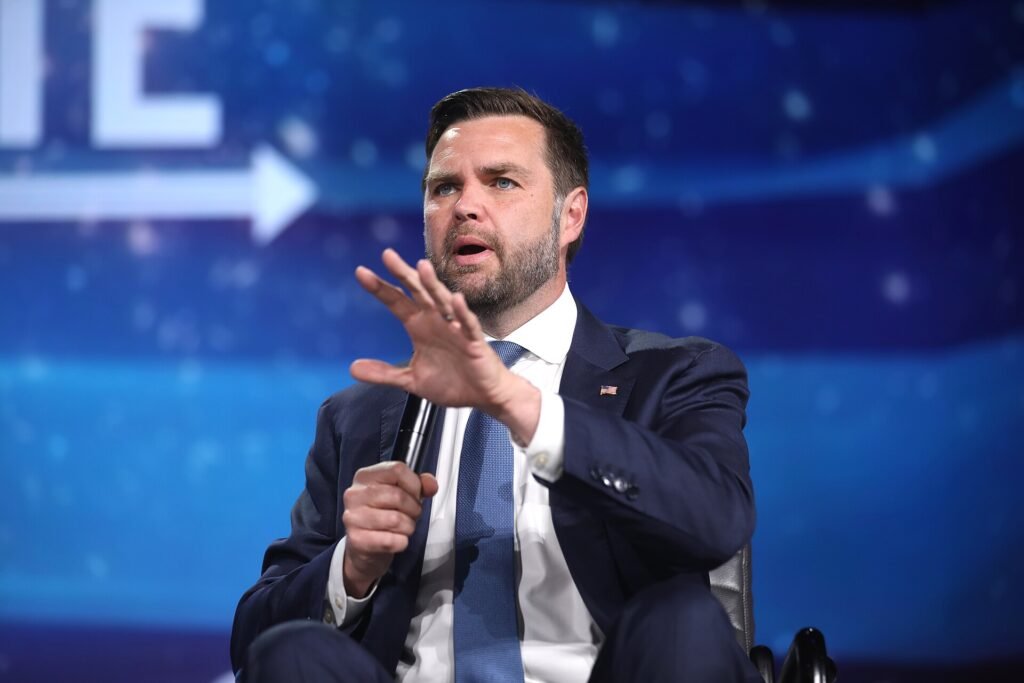
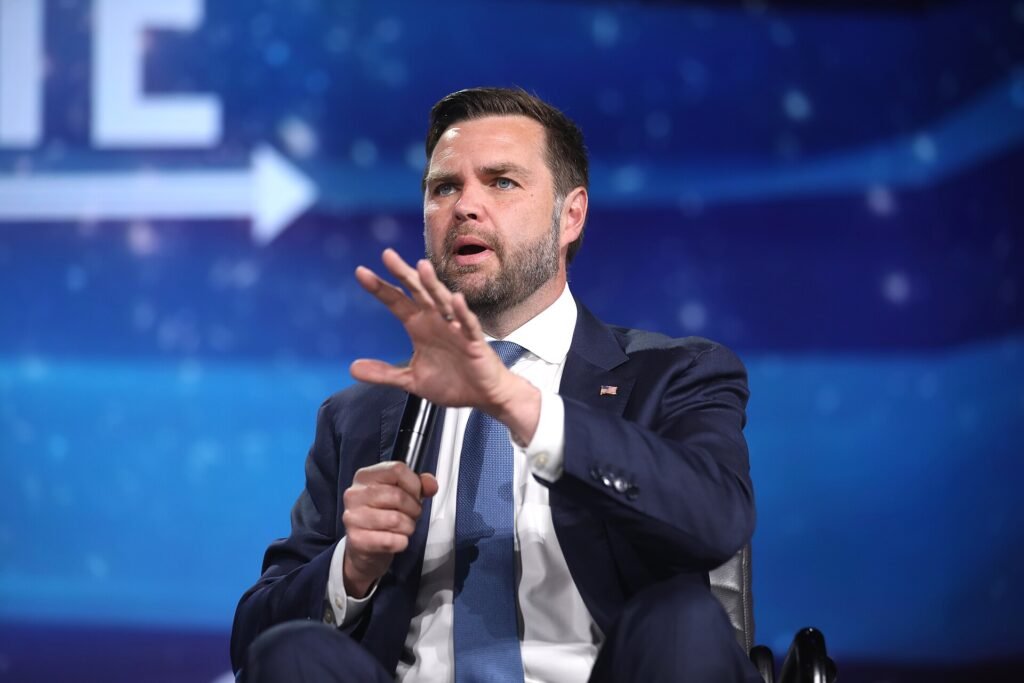
Vice President JD Vance, the highest-ranking Catholic in the Trump administration, offered pointed advice to Pope Leo XIV on Monday: the Vatican should largely confine itself to matters of faith and morality rather than weighing in on U.S. foreign policy. Speaking on Fox News’ “Special Report with Bret Baier,” Vance responded to escalating public tensions between President Donald Trump and the first American-born pope by suggesting a clearer division of roles. “I certainly think that in some cases, it would be best for the Vatican to stick to matters of morality… to stick to matters of, you know, what’s going on in the Catholic Church and let the president of the United States stick to dictating American public policy,” Vance said. “But when they’re in conflict, they’re in conflict.”
The comments come just days after Trump lashed out at Pope Leo on Truth Social, labeling him “WEAK on Crime” and “terrible for Foreign Policy.” The president took particular exception to the pontiff’s criticism of U.S. and Israeli military actions against Iran, as well as broader Vatican concerns over conflicts that have claimed civilian lives. Pope Leo, elected last year at age 70, has repeatedly called for de-escalation in the ongoing Middle East crisis, stating during a flight to Algeria on Monday that “too many innocent people are being killed” and that “someone has to stand up and say there’s a better way.”
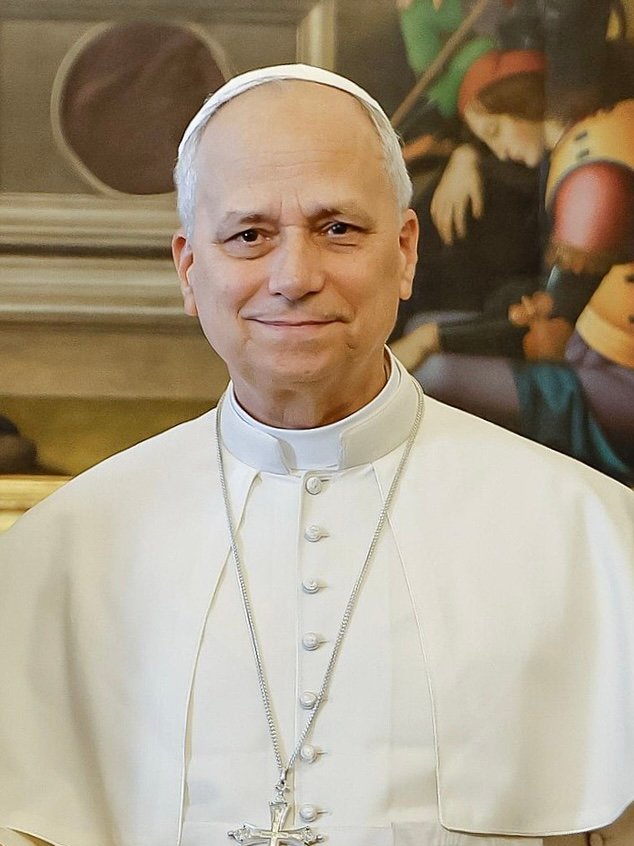
The 81-year-old pope pushed back firmly against suggestions he should temper his voice. “No fear of the Trump administration, or speaking out loudly of the message of the Gospel, which is what I believe I am here to do,” he told reporters. “I’m sorry to hear that but I will continue on what I believe is the mission of the church in the world today.” The exchange highlights a classic tension in Western history: the proper boundary between spiritual authority and temporal power. For centuries, popes and princes have clashed over war, justice, and the moral limits of state action. In 2026, with the U.S. deeply engaged in a high-stakes confrontation involving Iran’s nuclear ambitions and regional stability, that tension has resurfaced in unusually personal terms.
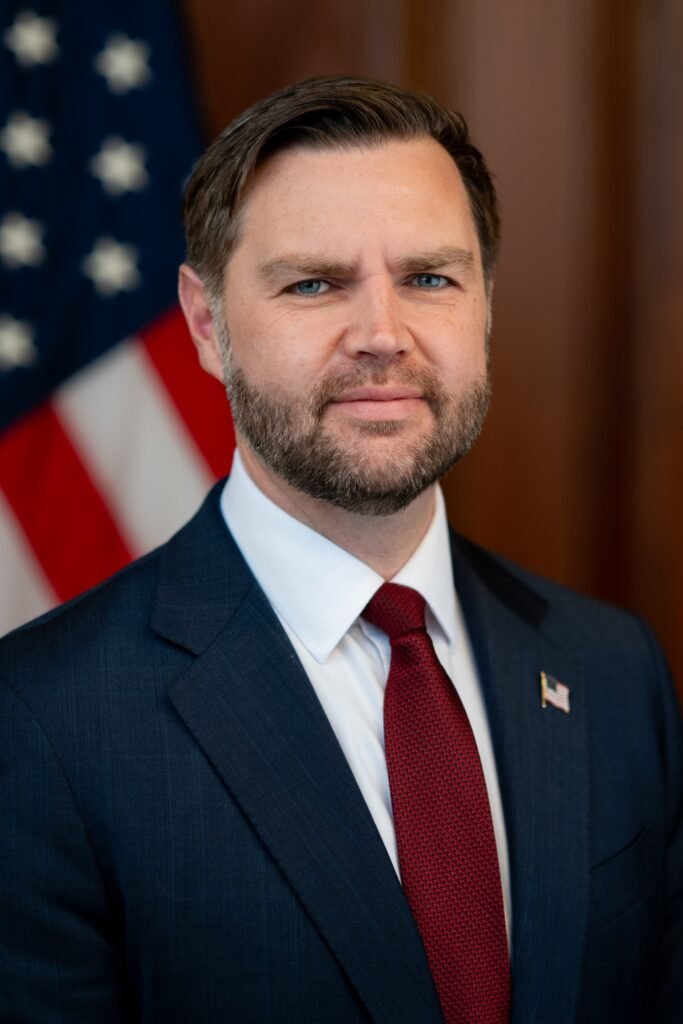
Vance, who converted to Catholicism in 2019 at age 35 after a well-documented spiritual journey from atheism through evangelical Christianity, brings a distinctive perspective to the role. He is set to publish a memoir titled Communion: Finding My Way Back to Faith this summer, and his public comments often reflect a thoughtful, if sometimes contrarian, engagement with Catholic social teaching. His suggestion that the Vatican prioritize internal church matters over commentary on American policy echoes longstanding debates within conservative circles about the proper scope of papal pronouncements on economics, migration, and warfare. Yet it also risks simplifying a tradition in which popes—from Leo XIII’s encyclicals on labor to John Paul II’s role in the fall of communism—have long asserted a moral voice on global affairs.
The friction began intensifying last week when Trump shared, then quickly deleted, an AI-generated image depicting himself in a Jesus-like pose. Vance downplayed the episode as a misunderstood joke, telling Baier that the president removed it after recognizing that “a lot of people weren’t understanding his humor in that case.” The episode, however trivial, added fuel to perceptions of strained relations between the administration and the Holy See.
From a geopolitical standpoint, the disagreement is not merely symbolic. Pope Leo has voiced opposition to aspects of the U.S.-led campaign against Iran, emphasizing the suffering of civilians and the need for diplomatic alternatives. The Trump administration, by contrast, has framed its actions as necessary to neutralize existential threats, including nuclear proliferation and attacks on shipping in the Strait of Hormuz. Vance’s formulation—acknowledging potential “conflict” while preferring separation of spheres—attempts to thread a needle: respecting the pope’s spiritual authority while defending the president’s prerogative on national security.
In my view, Vance’s advice, while politically expedient for the administration, underestimates the integrated nature of Catholic moral theology. The church has never viewed “morality” as narrowly confined to personal piety or sacramental life; its social doctrine explicitly addresses war and peace, the dignity of the human person, and the common good. Just War theory, developed over centuries by thinkers from Augustine to Aquinas, provides a framework precisely for evaluating military action. When a pope speaks against civilian casualties or the human cost of conflict, he is exercising a longstanding pastoral duty rather than meddling in electoral politics. At the same time, the administration’s frustration is understandable: no sovereign state welcomes external moral lecturing when lives of its service members and citizens are at stake. Effective diplomacy requires both firmness and humility, qualities sometimes in short supply on either side of the Atlantic.
The episode also carries domestic political weight. Vance, as a prominent Catholic convert in a party that has made significant inroads with working-class and traditionally religious voters, must navigate the expectations of both his faith community and his political base. Many conservative Catholics applaud calls for the church to focus more intently on doctrinal clarity and less on progressive social causes. Others worry that framing the pope’s role too narrowly risks diminishing the universal moral witness that has made the papacy a respected voice even among non-Catholics.
Broader questions loom about church-state relations in an increasingly secular yet religiously pluralistic America. The U.S. Catholic bishops have often found themselves at odds with both major parties—criticizing abortion policy on one side and immigration enforcement on the other. Pope Leo XIV, as the first American in the chair of Peter, may feel a unique responsibility to bridge cultural divides while remaining faithful to the Gospel’s demands for justice and peace. His willingness to speak plainly on current conflicts suggests he intends to do exactly that.
For now, the public exchange appears contained. Vance expressed little worry about future disagreements, and the Vatican has maintained a tone of cordial bilateral relations even amid the sharp words. Yet the underlying philosophical divide—between a nation-state’s right to self-defense and the church’s call for restraint and mercy—will likely persist. History shows that such tensions rarely resolve neatly; they are managed through dialogue, mutual respect, and occasional sharp reminders of respective competencies.
As Vance prepares to promote his forthcoming memoir on faith, and as the Trump administration navigates complex international crises, both sides would benefit from recalling a deeper truth: morality is not a separate sphere from policy but the ethical foundation upon which sound policy must rest. The vice president is right that presidents, not popes, make American foreign policy. The pope is equally right that no policy escapes moral scrutiny. In the space between those truths lies the difficult but necessary work of statesmanship and pastoral leadership in a troubled world.