Health Experts Issue Warning Over Infected Rabbits In Colorado
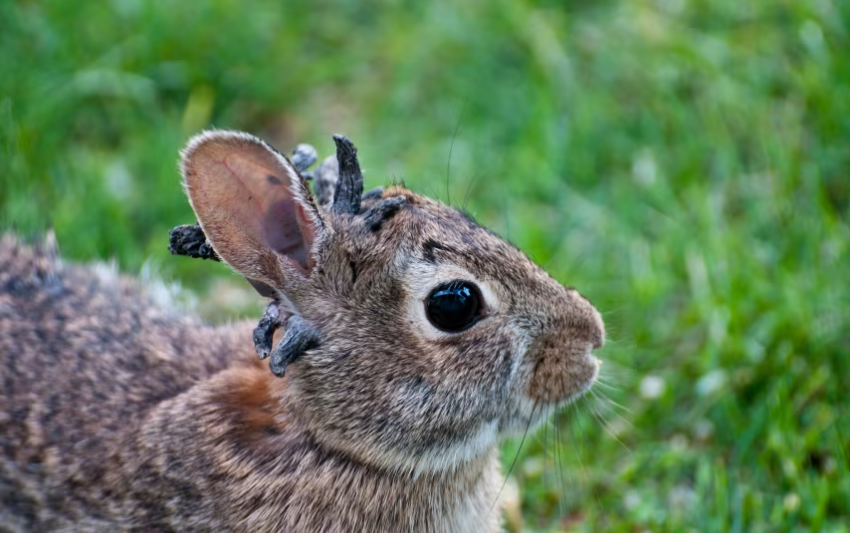
Residents of Fort Collins, Colorado, are doing double takes after spotting rabbits that look like they hopped out of a horror flick. The reason? Strange, hornlike growths sprouting from their heads and faces.
The unusual appearance has left some locals unsettled, but wildlife officials insist there’s no need to panic. The rabbits aren’t monsters — they’re dealing with a virus that’s been known to scientists for nearly a century.

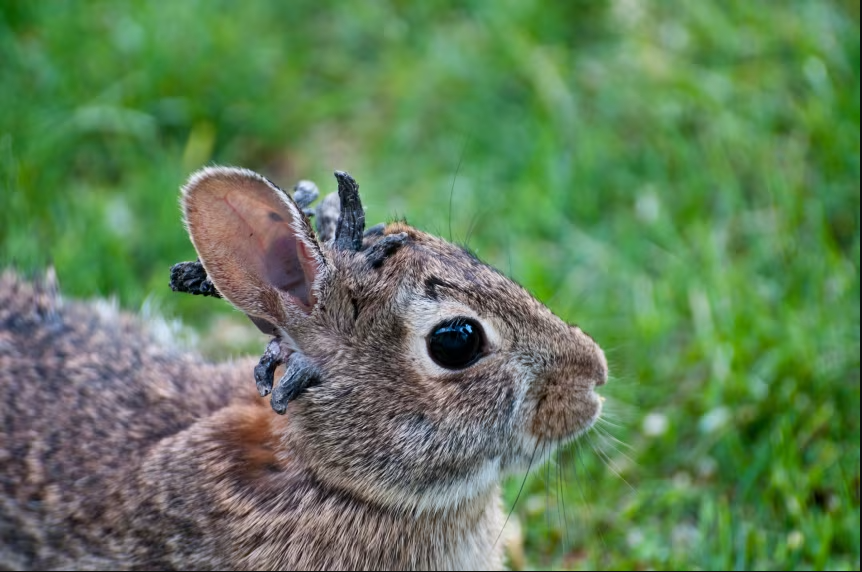
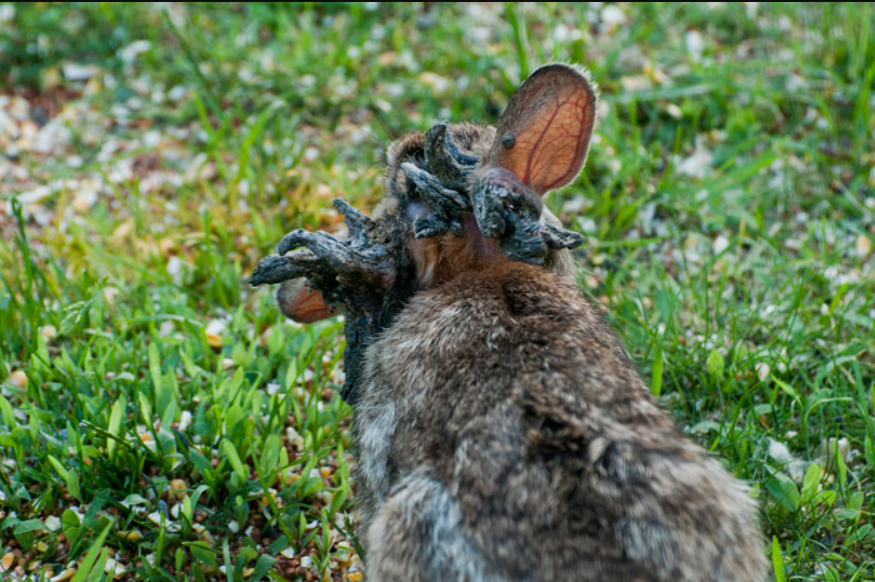
The condition is caused by Shope papillomavirus, a relatively common infection among cottontails. The virus triggers wart-like tumors that, when they grow large, resemble grotesque horns jutting from the animal’s skin.
Photos of the rabbits quickly spread online, sparking nicknames such as “demon bunnies,” “Frankenstein rabbits,” and “zombie hares.” But experts say the phenomenon is nothing new. In fact, historians and scientists alike trace folklore about horned rabbits — including the famous jackalope myth — back to this very virus.
The discovery of Shope papillomavirus dates to the 1930s, when Dr. Richard E. Shope, a researcher at The Rockefeller University, identified the disease in wild rabbits. His work provided groundbreaking evidence of the link between certain viruses and cancer, a connection that later informed research into human papillomavirus (HPV) and its role in cervical cancer.
Locals in Fort Collins, about 65 miles north of Denver, began posting pictures of the odd-looking rabbits over the past week. That caught the attention of state wildlife officials, who have been fielding calls from concerned residents.
According to Kara Van Hoose, spokesperson for Colorado Parks and Wildlife, these sightings are more common than many realize. “We often see cases like this in the summer months, when fleas and ticks are most active,” she explained. These parasites spread the virus from rabbit to rabbit, but the infection does not transfer to people, dogs, or cats.
The growths themselves may look alarming, Van Hoose added, but they are usually not fatal. The only serious risk comes when tumors grow around a rabbit’s eyes or mouth, making it difficult to see or eat. Otherwise, most infected animals recover naturally.
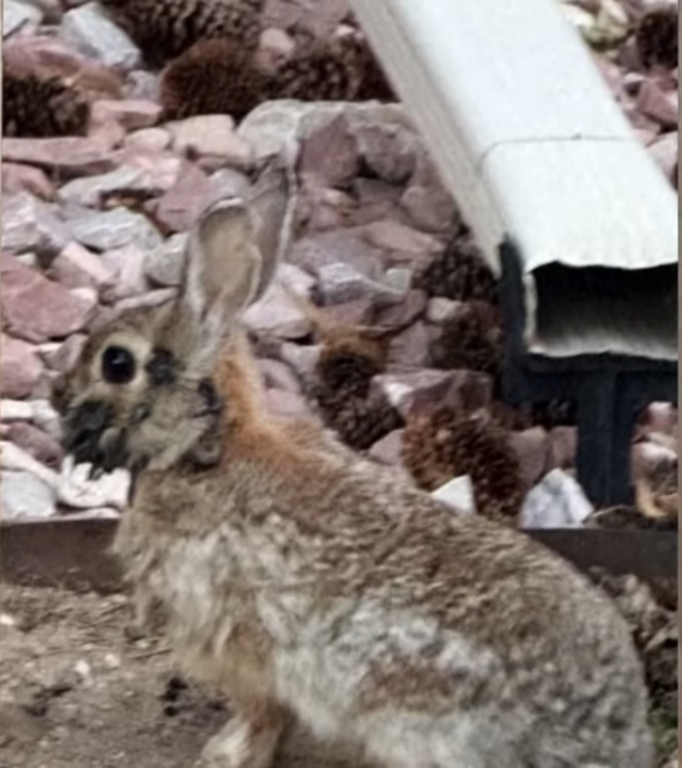
Rabbits’ immune systems eventually fight off the infection, and once that happens, the growths shrink and fall away. “It’s unsettling to look at, but it’s not a death sentence for the animal,” Van Hoose said.
So while the “zombie rabbit” photos may grab attention online, experts stress the truth is far less terrifying: Colorado’s horned hares aren’t monsters — they’re simply another reminder of nature’s strange survival stories.
Sources: CNN