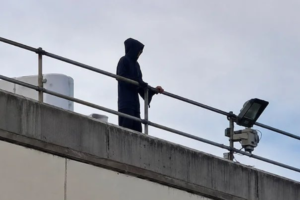
Whats Wrong Picture Photos
Washington, D.C. – Back in May 2016, a simple set of photos took the internet by storm, turning everyday snapshots into head-scratching puzzles that had people debating for days. The images, which popped up on social media feeds everywhere, showed ordinary scenes with subtle details that just didn’t add up – like a family dinner where one plate looked out of place, or a street view with a car parked impossibly on the sidewalk. It was all part of a viral trend that asked, “What’s wrong with this picture?” and it quickly became a favorite pastime for bored office workers and late-night scrollers.
At first glance, these photos seemed like harmless fun, reminiscent of those old children’s books where you had to find the hidden mistakes. But as thousands shared and analyzed them online, it revealed something deeper about how we process visuals in a world flooded with images. Folks from all walks of life chimed in, pointing out errors that ranged from obvious blunders to cleverly disguised tricks, and it wasn’t long before the conversation shifted. Some users started overlaying real-world issues, like economic disparities in the backgrounds or gender stereotypes in the poses, turning the game into a impromptu commentary on society.
The trend hit at a time when trust in online content was already shaky, with fake news stories making headlines left and right. I remember thinking it was a clever way to get people thinking critically, even if it started as just a distraction. Platforms like Twitter and Facebook saw a spike in engagement, with hashtags racking up millions of views, but not everyone was amused; critics argued it highlighted how easily we can be manipulated by what we see.
In the end, that May’s photo frenzy faded as quickly as it arrived, but it left a mark on how we view shared media. It showed that sometimes, spotting what’s wrong isn’t just about the picture – it’s about questioning the story behind it. For a brief moment, it brought people together in curiosity, proving that even in 2016’s chaotic digital rush, a good puzzle could still cut through the noise.