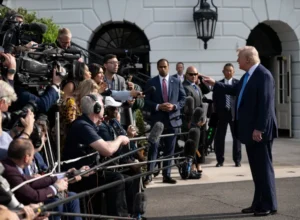
If Elected Donald Trump Promises Department Stores Will Wish People Merry
NEW YORK, March 10, 2015 — Donald Trump, the billionaire businessman eyeing a run for the White House, stirred up conversation with a quirky pledge during a speech that touched on holiday traditions. He vowed that if he became president, he’d make sure big department stores went back to wishing customers a straightforward “Merry Christmas” instead of the more generic greetings that had become common. It was a small but pointed example of Trump’s style, blending everyday gripes with his broader push to shake up Washington.
Trump didn’t hold back when he laid out his vision, saying stores like Macy’s or Nordstrom ought to embrace old-school customs without fear of backlash. He painted it as part of a larger fight against what he called political correctness run amok, a theme that resonated with some conservative voters feeling overlooked. This came at a time when Trump was testing the waters for a presidential bid, using his celebrity status to grab attention ahead of a formal announcement. His comments landed amid a string of public appearances where he mixed serious policy ideas with off-the-cuff remarks, keeping the media guessing about his next move.
The promise quickly became a talking point on cable news and social media, with supporters cheering it as a stand for tradition, while critics dismissed it as a distraction from real issues like the economy or foreign policy. Trump’s team likely saw it as a smart way to connect with everyday Americans frustrated by cultural shifts, even if it seemed trivial compared to global headlines. At the very least, it highlighted how Trump’s campaign would play out — full of bold claims and a knack for turning minor annoyances into rallying cries.
All in all, this episode showed Trump’s talent for dominating the news cycle with promises that felt personal and provocative. Whether it helped his long-term prospects remained to be seen, but it certainly added some color to the early 2016 race, proving that in politics, even holiday greetings could spark a debate.