Trump America Establishment Working You
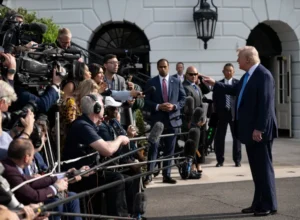
WASHINGTON, D.C. – On April 26, 2016, Donald Trump ramped up his attacks on the American political establishment, claiming it was failing everyday people and that he alone could fix it. Speaking at a rally in a key battleground state, the billionaire businessman turned presidential candidate painted a picture of a system rigged by insiders in Washington and on Wall Street. His message resonated with supporters who felt left behind by years of gridlock and special interests.
Trump didn’t hold back, declaring that the establishment was “working for you” in a sarcastic tone that drew cheers from the crowd. He pointed to trade deals, high taxes, and what he called wasteful government spending as evidence that elites were looking out for themselves. “They’re not fighting for you, folks. They’re fighting for their own jobs and their big donors,” he said, his voice rising with familiar bluster. This came as Trump solidified his grip on the Republican nomination, having swept several primaries earlier that month.
The speech highlighted a growing divide in American politics, with Trump’s outsider status appealing to voters frustrated with traditional parties. Critics, including some within his own party, worried that his broadsides could alienate moderates ahead of the general election. But for many at the rally, it was exactly what they wanted to hear – a straight-talking challenge to the status quo.
As the campaign heated up, Trump’s rhetoric forced other candidates to respond. Hillary Clinton, his likely Democratic opponent, dismissed his claims as oversimplified and dangerous, arguing that real change came from experience, not bombast. Meanwhile, some analysts noted that Trump’s rise was a sign of deeper discontent in the country, with economic anxiety playing a big role.
In the end, that April day showed how Trump’s message of disruption was shaking up the race, leaving many to wonder if the establishment could hold on or if a new era was dawning. It was a moment that captured the energy and uncertainty of the 2016 election.