Rep. Burchett Urges Full UFO Disclosure: Tennessee Congressman Presses Trump to Declassify Files Amid Renewed Interest in Unidentified Phenomena
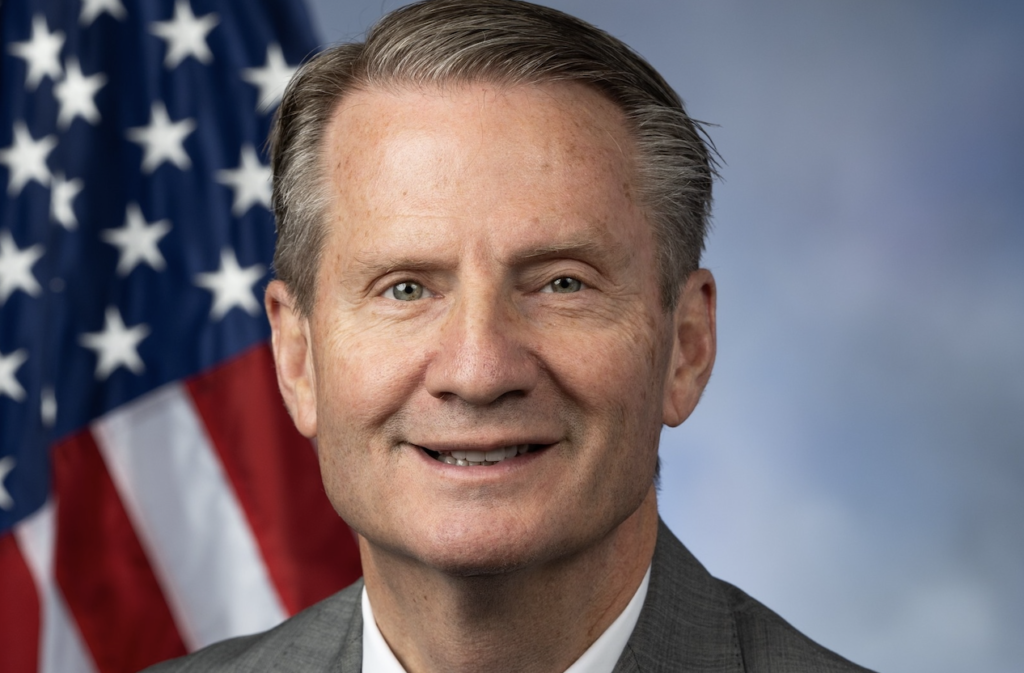
Rep. Tim Burchett (R-Tenn.) is once again pushing President Donald Trump to tear down the veil of secrecy surrounding unidentified anomalous phenomena, or UAP—commonly known as UFOs—arguing that the American public deserves to know what the government has learned and what it is spending taxpayer dollars to investigate. In a Sunday appearance on Fox News’ “The Big Weekend Show,” the outspoken Tennessee Republican urged the administration to “peel back the layers of that onion” and let citizens decide for themselves whether they can handle the truth.
Burchett, a vocal advocate for greater transparency on UAP since leading congressional hearings on the topic in 2023, described having received briefings from multiple intelligence agencies that left him convinced something extraordinary is occurring. “I’ve been briefed by just about every alphabet agency there is,” he told hosts. “If they would release the things that I’ve seen, you would stay up at night worrying about or thinking about this stuff.” He emphasized that the issue is not primarily about “little green men” or flying saucers, but about accountability: “It’s about what are we spending tens of millions of your dollars on when some alphabet agency tells me they don’t exist and then again, another department within that department tells me they do exist.”
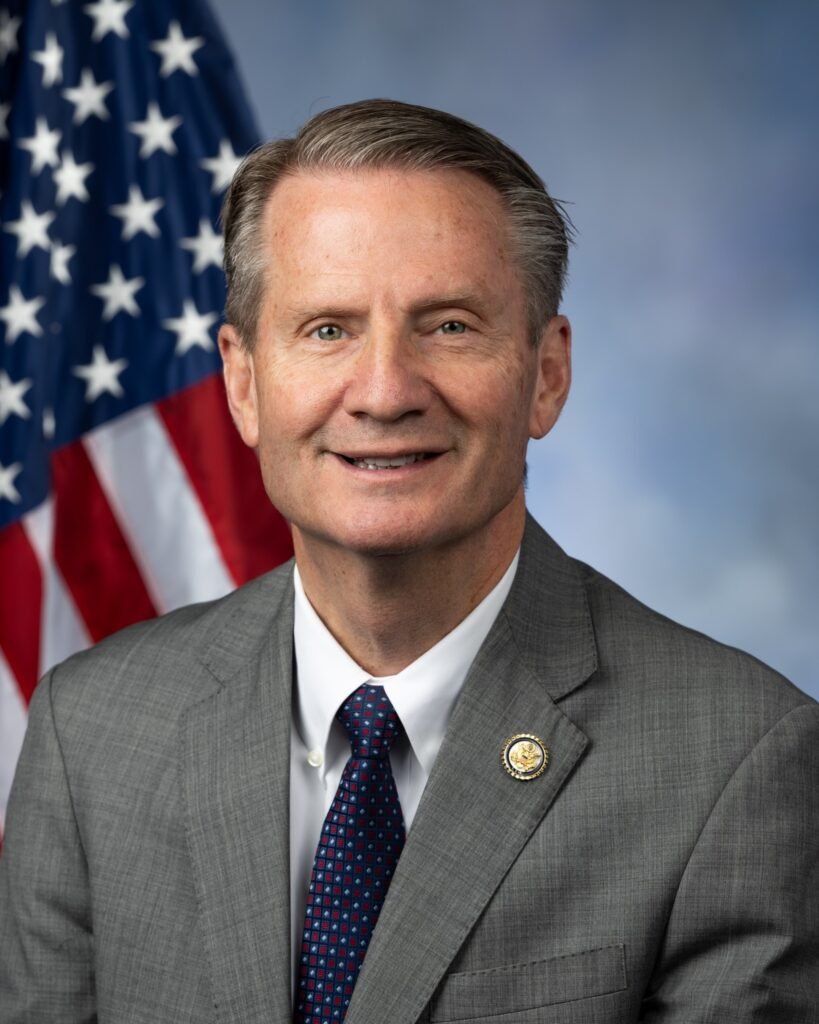
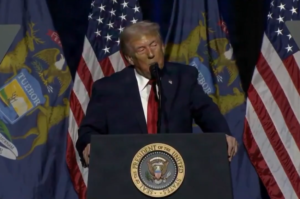
The congressman’s comments come on the heels of Trump’s February announcement on Truth Social directing relevant departments and agencies to begin identifying and releasing government files related to “alien and extraterrestrial life,” UAP, UFOs, and connected matters. That pledge, which included the unusual registration of the domain aliens.gov, has energized UFO enthusiasts while prompting fresh scrutiny in Congress. Burchett told the president directly to release everything, adding that the public can handle it.
Burchett’s persistence reflects years of frustration with what he and other lawmakers view as inconsistent and overly classified government responses to credible UAP reports from military pilots and other observers. During previous hearings, witnesses—including former intelligence official David Grusch—alleged the existence of a multi-decade crash-retrieval and reverse-engineering program, claims the Pentagon has denied. Burchett has repeatedly suggested a cover-up, though he stops short of endorsing extraterrestrial origins in every case. His latest remarks highlight ongoing inter-agency contradictions and the opacity surrounding funding for UAP-related studies.
From a national-security and governance perspective, the push for disclosure raises legitimate questions. The U.S. military and intelligence community have a clear interest in protecting sensitive detection technologies, surveillance capabilities, and potential adversarial programs—whether Chinese, Russian, or otherwise. At the same time, excessive secrecy can erode public trust, fuel conspiracy theories, and hinder scientific understanding of genuinely unexplained aerial behavior. Past government reports, including the 2021 preliminary UAP assessment and subsequent updates, have acknowledged unexplained incidents while attributing most to mundane causes such as balloons, drones, or sensor artifacts. Yet a small percentage remain truly anomalous, warranting continued study without sensationalism.
In my assessment, Burchett’s call for broad declassification is understandable given the history of compartmentalized secrecy in this domain, but it must be balanced against real risks. Full, unredacted release of every file could compromise sources and methods critical to monitoring genuine threats in an era of advanced drone swarms, hypersonic weapons, and electronic warfare. A more prudent approach—already signaled in parts by the Pentagon’s planned release of never-before-seen UAP information—would involve tiered declassification: prioritizing videos, radar data, and pilot accounts while safeguarding operational details. Americans have repeatedly shown they can handle uncomfortable truths, from past intelligence revelations to scientific paradigm shifts. The greater danger lies in allowing distrust to fester, which only empowers fringe narratives over evidence-based inquiry.
The renewed momentum also coincides with separate concerns about the safety of scientists and researchers working in related fields. Recent clusters of deaths and disappearances among experts in aerospace, nuclear, and advanced materials have prompted White House interest in review, though officials have stressed no proven links to UAP issues. Burchett and others have noted the sensitivity of these topics, with the congressman once remarking that certain briefings “would set the Earth on fire” if released.
For the Trump administration, fulfilling the February pledge represents both opportunity and risk. Delivering meaningful transparency could burnish the president’s image as a disruptor of bureaucratic inertia and satisfy a vocal segment of the electorate. Yet overpromising risks disappointment if much of the material proves prosaic or heavily redacted for legitimate reasons. Vice President JD Vance and other officials have echoed interest in the topic, suggesting it fits within a broader skepticism of entrenched intelligence community practices.
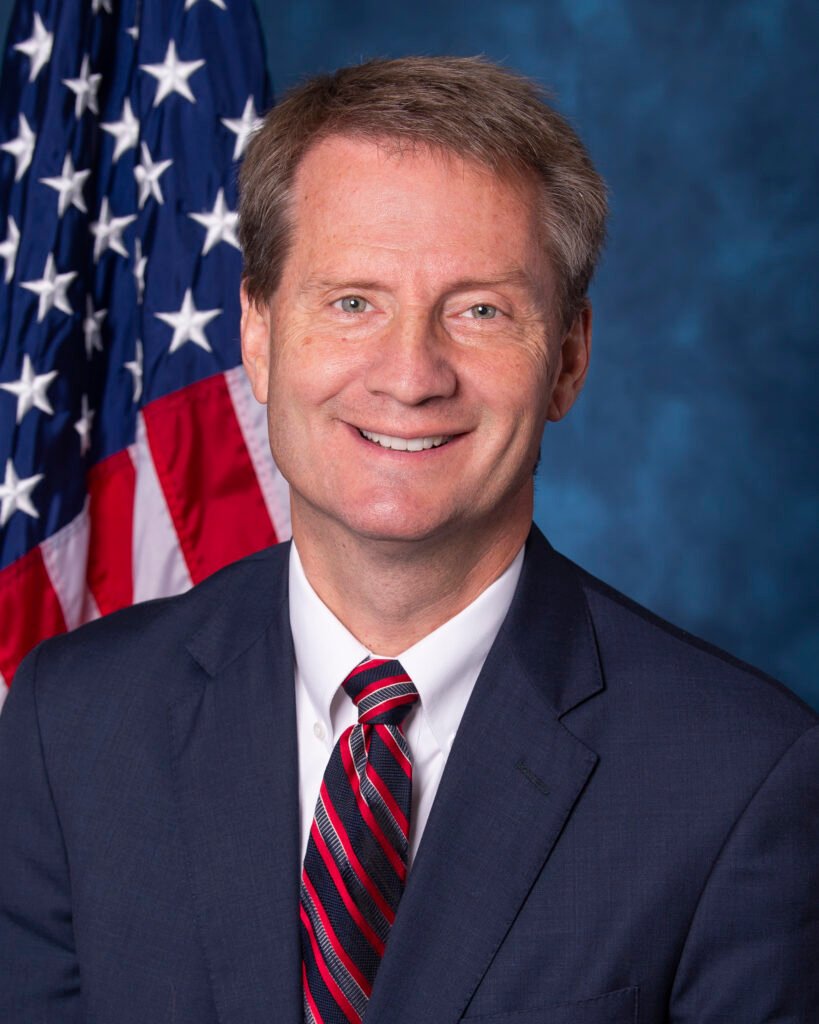
Congress, for its part, retains tools to compel greater disclosure through oversight hearings, subpoenas, and funding conditions. Bipartisan interest persists, with figures like Rep. Anna Paulina Luna also pressing the Department of Defense for additional videos and data. The House Oversight Committee and related task forces have kept the issue alive, preventing it from fading into bureaucratic obscurity.
Ultimately, the debate over UAP disclosure transcends sensationalism about extraterrestrials. It touches on core principles of democratic accountability: how much secrecy is necessary for security, and when does it become self-perpetuating? Burchett is correct that taxpayers deserve clarity on what their money funds and whether agencies are consistent in their assessments. At the same time, responsible disclosure requires careful curation to avoid aiding adversaries or sparking unnecessary panic.
As the administration moves forward with its review, the public should approach revelations with measured curiosity rather than expectation of world-altering disclosures. History suggests that most unexplained phenomena eventually yield to prosaic explanations once better data emerges—yet the small residue of truly anomalous cases justifies continued rigorous, transparent study. Whether Trump delivers the sweeping release Burchett seeks remains to be seen. What is clear is that sustained congressional pressure, combined with executive action, has already shifted the Overton window on a topic once relegated to the fringes. In an age of rapid technological change and great-power competition, demystifying the skies may prove as much a matter of good governance as scientific inquiry.