Senator Jeff Sessions Holds Hearing Visa Overstayers
Washington, DC (May 25, 2015) – Senator Jeff Sessions of Alabama took the lead on a Senate hearing that zeroed in on the issue of visa overstayers, a problem that had been simmering in immigration debates for years. As chairman of the Judiciary Subcommittee on Immigration and the National Interest, Sessions called the session to examine how thousands of people were entering the U.S. on temporary visas and simply not leaving when their time was up. It was a no-nonsense affair, with lawmakers and experts trading pointed questions about the government’s tracking systems and the potential risks to national security.
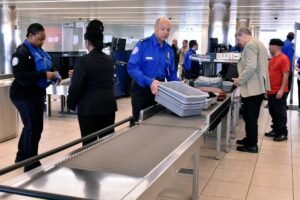
The hearing featured testimony from officials at the Department of Homeland Security and immigration watchdogs, who painted a picture of a system riddled with gaps. One expert noted that estimates showed upwards of 40 percent of undocumented immigrants in the country had overstayed their visas, a figure that caught the attention of several senators. Sessions didn’t hold back, pressing witnesses on why the U.S. wasn’t doing more to monitor exits at airports and borders. He argued that this oversight was letting people slip through the cracks, potentially allowing criminals or terrorists to blend into communities.
Folks in the room seemed frustrated, and it’s easy to see why—after all, this wasn’t just about numbers; it was about real people and real consequences. One witness shared stories of overstayers committing crimes, which added a layer of urgency to the discussion. Sessions, never one to shy away from tough talk on immigration, suggested that stronger enforcement and better data sharing between agencies could help stem the tide.
As the hearing wrapped up, there was a sense that more action might be on the way, though lawmakers were divided on how far to go. Sessions’ push highlighted ongoing tensions in Washington over immigration reform, reminding everyone that fixing these issues wouldn’t happen overnight. It was a stark reminder of the challenges facing the country back then, even if solutions remained out of reach.