She Faced Poverty And Family Issues Growing Up, Today She’s One Of The Best Selling Singers Ever
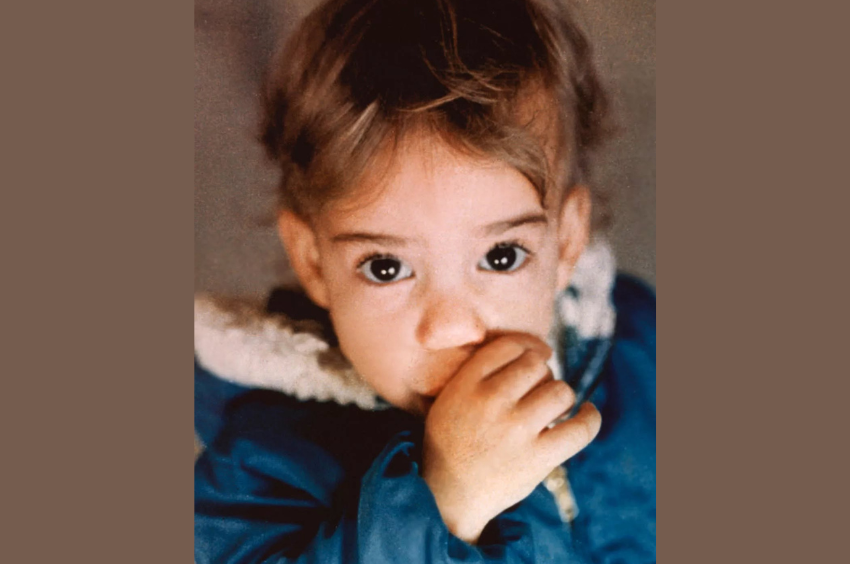
Mariah Carey is offering a candid look back at what she describes as a turbulent and emotionally complicated upbringing, marked by tension at home, identity struggles, and painful experiences that shaped both her life and career.
In a recent conversation, the chart-topping singer looked back on her upbringing, describing a home environment she says was marked by instability and noting that she spent years trying to process the emotional impact of those early experiences. Carey explained that healing from those experiences required confronting what she called deep-rooted dysfunction and learning how to reconnect with her younger self.
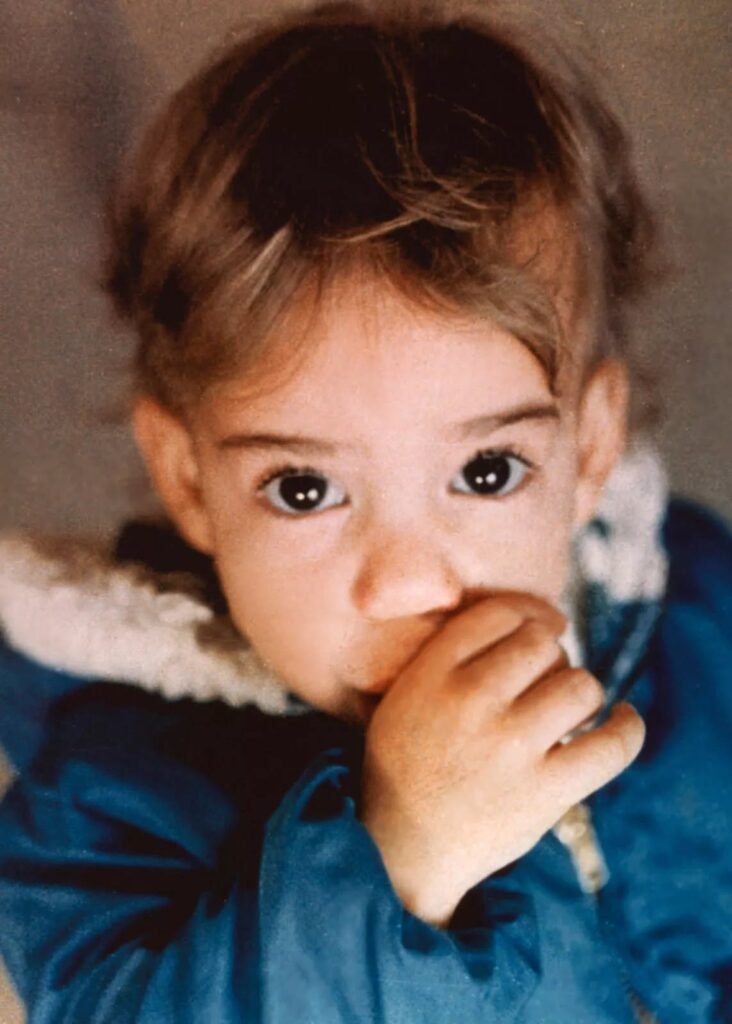
A significant portion of that backstory is also laid out in her memoir, which examines her complex relationship with her mother, Patricia Carey, a classically trained opera singer who attended the Juilliard School. While her mother helped introduce her to music at an early age, Carey alleges their relationship was strained by jealousy and harsh criticism, including remarks questioning her talent compared to her mother’s own.
Those early dynamics, Carey says, left a lasting impression that continues to influence how she raises her own children, twins Moroccan and Monroe, whom she shares with Nick Cannon. She emphasized that she makes a conscious effort to encourage their creativity and affirm their confidence, saying she wants them to feel supported, valued, and emotionally secure in ways she did not always experience growing up.
She also spoke about moments of childhood trauma tied to social rejection and racism, recalling incidents where she felt isolated and targeted by peers during her youth. Carey, who is of mixed racial heritage, said those experiences contributed to a long-standing sense of not fully belonging anywhere.
In the memoir, Carey writes that these struggles found an outlet in her music, including songs that explored themes of alienation and identity. She also reflected on her early career years in the music industry, describing complicated professional relationships that offered both protection and creative opportunity, while also involving what she viewed as restrictive control behind the scenes.

Despite those challenges, Carey has remained focused on reinvention throughout her career. She recently revealed that during the recording of her 1995 project Daydream, she was simultaneously working on an informal alternative music experiment—an outlet she used to explore a more raw and unfiltered side of her artistry away from her mainstream pop image.
In excerpts shared publicly, she described being inspired by the contrasting styles of alternative artists of the era and expressed a desire to break away from polished expectations. That creative detour, she noted, served as both emotional release and artistic experimentation during a demanding period in her career.

Now, decades later, Carey says she looks back on those years as formative—shaping not only her music but also her approach to life, motherhood, and self-expression.