People Horrifed Over Michael Jackson’s Alleged Nickname For Young Boy He Spent Time With

As Michael Jackson’s biopic continues to draw major attention at the box office, renewed focus is being placed on one of the most scrutinized and controversial periods of the late pop star’s life.
A newly released Netflix docuseries titled “Michael Jackson: The Verdict” revisits the 2005 child molestation trial that placed Jackson at the center of an international media storm. The singer, who faced multiple felony counts involving then-13-year-old Gavin Arvizo, consistently denied the allegations and was ultimately cleared by a jury after deliberations concluded there was insufficient evidence for conviction.

The three-part series combines courtroom participants, journalists who covered the case, and individuals who were close to Jackson during the time, along with archival footage from law enforcement searches and televised interviews.
Throughout the episodes, the production presents a series of claims and accounts that are likely to reignite public debate about the case.
One of the most notable voices featured is Vincent Amen, who began working with Jackson in 2002 and was later assigned to oversee the Arvizo family during the intense media scrutiny surrounding the investigation. In the documentary, Amen displays a collection of Polaroid photographs reportedly taken at the Neverland Ranch. One image includes a handwritten note attributed to Gavin Arvizo’s younger brother reading, “I love you, my daddy Michael. Your son, Blowhole.”
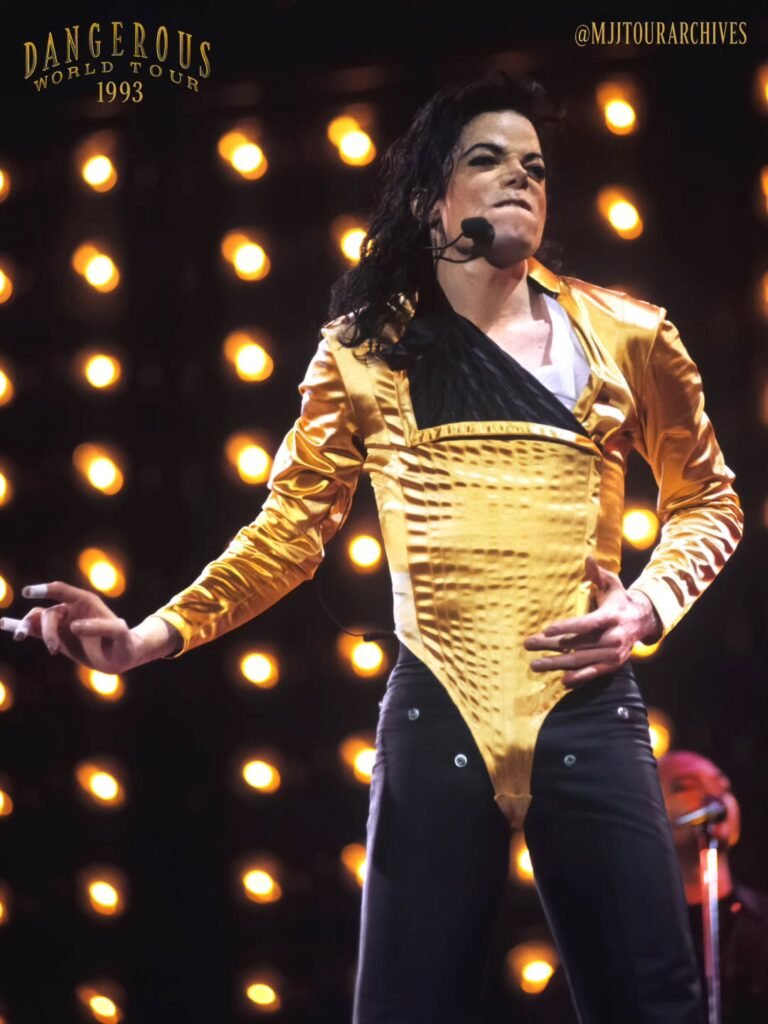
Amen further alleges that Jackson used affectionate nicknames for some of the children in his orbit, a claim that is presented as part of his broader recollection of events during that time.
The series also introduces more serious allegations toward its latter episodes. Amen claims that following Jackson’s arrest, a close associate allegedly provided him with a bag containing a magazine in which sections had been marked, including circles around what he described as a video-ordering directory. According to Amen’s account, he interpreted the markings as selections tied to explicit material. The individual accused in this account was not available for comment, according to the documentary.

Additional commentary comes from investigative journalist Diane Dimond, who extensively covered the original case. In the series, she alleges that Jackson was not present at Neverland during the police search and instead stayed at a residence in Las Vegas. She describes a chaotic environment at the property, though these claims are presented as her recollection and reporting from the time.
Jackson eventually surrendered to authorities in Santa Barbara County two days after the search and was released on a $3 million bond.
His former attorney, Mark Geragos, reflects in the series on the toll the legal battle took on the entertainer, describing severe emotional and physical strain during the proceedings.
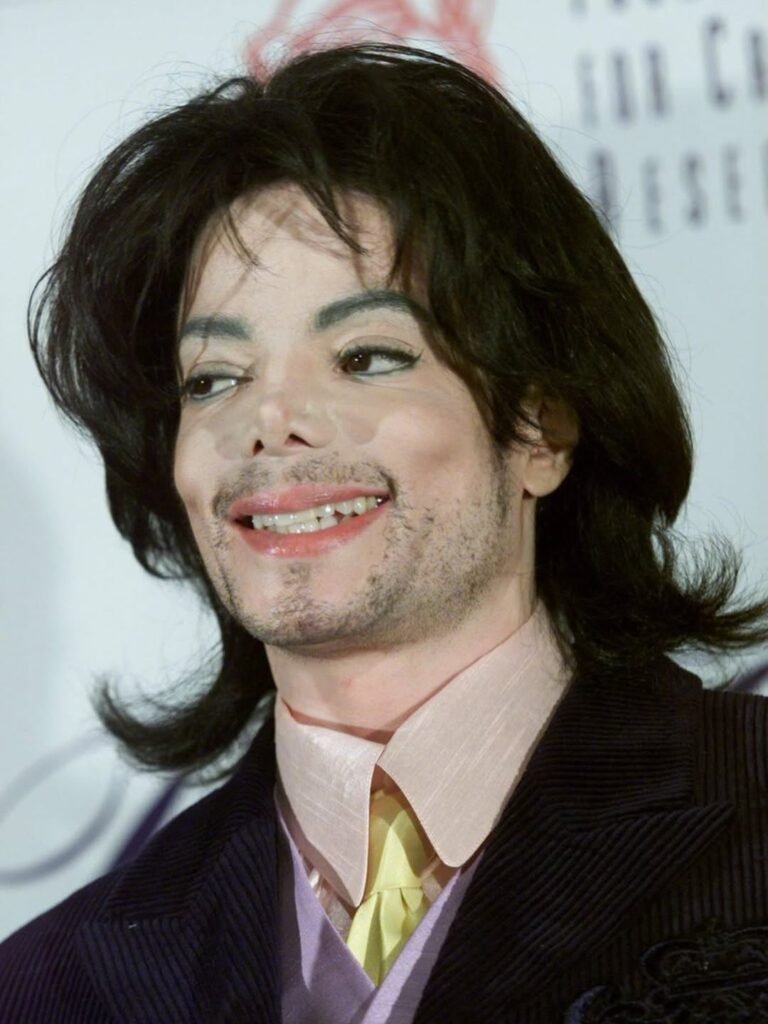
After a highly publicized trial, Jackson was acquitted on all charges on June 13, 2005. However, those close to him, including biographer J. Randy Taraborrelli, suggest the verdict did not restore his public standing or personal stability.
Jackson died in June 2009 at the age of 50 due to acute intoxication involving anesthetic and sedative drugs.