Vatican Ties Prompt Cuba’s Unexpected Prisoner Release
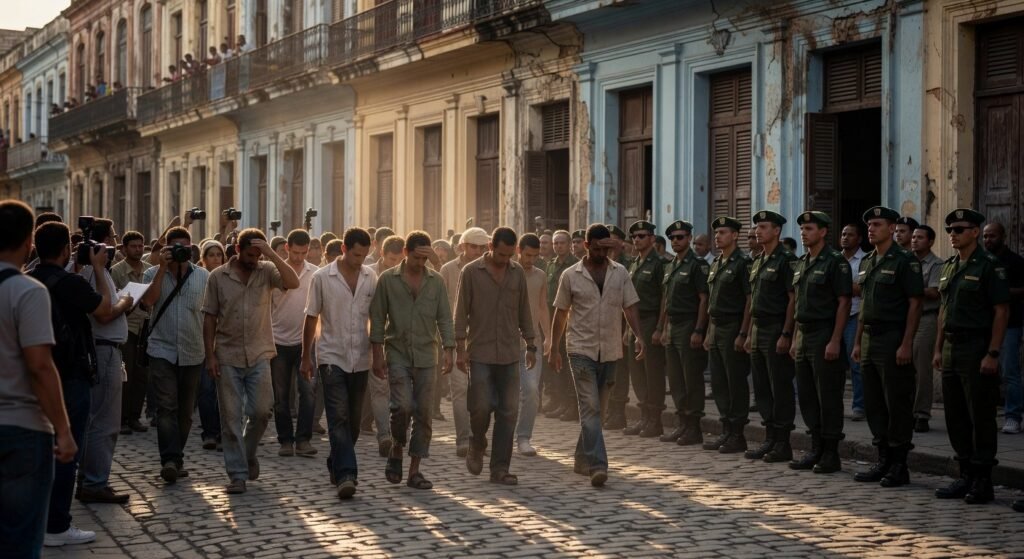
Cuba’s announcement to release 51 prisoners has captured international attention, particularly in the context of mounting pressure from the Trump administration. As reported by CBS News on March 13, 2026, this unexpected move comes amid a series of U.S. policies aimed at isolating the island nation, including stringent blocks on oil shipments that have exacerbated Cuba’s economic hardships. The decision underscores the complex interplay of diplomacy, human rights, and geopolitical strategy in U.S.-Cuba relations.
The release was officially declared by Cuba’s government on March 12, 2026, framed as an act of goodwill and linked to ongoing dialogues with the Vatican. According to the announcement, the prisoners in question have served a significant portion of their sentences and demonstrated good behavior while incarcerated. However, specific details about their identities and the nature of their offenses remain undisclosed, adding an element of mystery to the event. This development followed a high-profile meeting between Cuban Foreign Minister Bruno Rodriguez and Pope Leo at the Vatican, highlighting the role of religious diplomacy in facilitating such humanitarian gestures.

To fully understand this release, it is essential to examine the broader historical context of Vatican involvement in Cuban affairs. The Catholic Church has long served as a mediator in Cuban politics, dating back to Pope John Paul II’s historic visit to Cuba in 1998. That visit marked a turning point, fostering improved relations between Cuba and the West and leading to subsequent prisoner releases as gestures of goodwill. For instance, in January 2025, Cuba freed 553 prisoners, including some dissidents, in response to humanitarian appeals from the Vatican. These actions illustrate a pattern where the Holy See acts as a bridge, encouraging reforms and easing tensions without directly challenging Cuba’s sovereignty.
Cuba will release 51 people from prison, an unexpected move amid pressure from Trump. https://t.co/1U6xpq37PW
— CBS News (@CBSNews) March 13, 2026
Simultaneously, the Trump administration’s aggressive policies have intensified the pressures on Cuba. Since taking office for his second term, President Donald Trump has reinstated and expanded sanctions, particularly targeting Cuba’s oil imports from allies like Venezuela. These measures have led to widespread blackouts, fuel shortages, and economic instability on the island, forcing the Cuban government to seek ways to alleviate international scrutiny. By blocking these essential resources, the U.S. aims to curb Cuba’s support for other leftist regimes in the region, viewing it as a threat to American interests. This strategy echoes earlier U.S. policies, such as the Helms-Burton Act of 1996, which tightened the embargo and penalized foreign companies doing business with Cuba.
Historically, Cuba has employed prisoner releases as a tool in diplomatic negotiations, especially during periods of strain with the United States. Since the Cuban Revolution in 1959, the government has periodically pardoned thousands of inmates to manage internal dissent and project an image of leniency. Data from sources like BBC News indicate that Cuba has released over 9,000 prisoners since 2010, with many of these actions facilitated through international intermediaries like the Vatican. The timing of the current release, coinciding with Holy Week, further emphasizes the religious undertones, as it aligns with traditions of mercy and reflection in the Catholic calendar.
This latest development could have significant long-term implications for U.S.-Cuba relations. Under Trump’s continued leadership, the release might be seen as a partial victory for his hardline approach, demonstrating that economic pressure can compel policy changes in authoritarian states. However, it also raises questions about whether such measures will lead to genuine reforms or merely temporary concessions. Human rights organizations have long documented the presence of political prisoners in Cuba, individuals detained for dissent or activism, though the government maintains that all releases are based on humanitarian grounds. If this group of 51 includes any such prisoners, it could pave the way for incremental improvements in human rights practices, potentially easing some of the sanctions imposed by the U.S.
From an economic perspective, the ongoing sanctions have deepened Cuba’s isolation, affecting not only its government but also its citizens who face daily hardships. The blockade on oil has disrupted essential services, leading to increased reliance on alternative energy sources and international aid. In response, Cuba has sought to strengthen ties with other nations, such as Russia and China, to mitigate the impact. Yet, the prisoner release might signal a willingness to engage in dialogue, possibly opening doors for unofficial talks as mentioned by Cuban President Miguel Díaz-Canel. While no formal negotiations have been confirmed, this could represent a subtle shift toward de-escalation.

Looking ahead, the full details of the released prisoners may soon come to light, influencing global perceptions and potentially sparking further diplomatic exchanges. As media outlets like the Associated Press and Reuters continue to monitor the situation, the international community will watch closely for any signs of U.S. policy adjustments or continued Vatican involvement. If this leads to a reduction in sanctions or more prisoner releases, it could foster a period of relative calm. Conversely, if tensions persist, it might escalate into broader conflicts, underscoring the fragile nature of current relations. Overall, this event highlights the enduring challenges in balancing power dynamics, human rights, and economic pressures in the Western Hemisphere.
In conclusion, Cuba’s decision to release 51 prisoners amid Trump-era pressures is a multifaceted development with roots in historical diplomacy and immediate geopolitical realities. Drawing from established patterns of Vatican mediation and U.S. sanctions, it serves as a reminder of the potential for both progress and setbacks in international relations. The true measure of its impact will depend on whether it catalyzes lasting changes in Cuba’s internal policies or remains a isolated incident in an ongoing saga of contention.
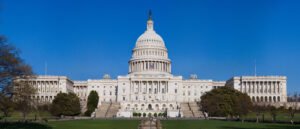
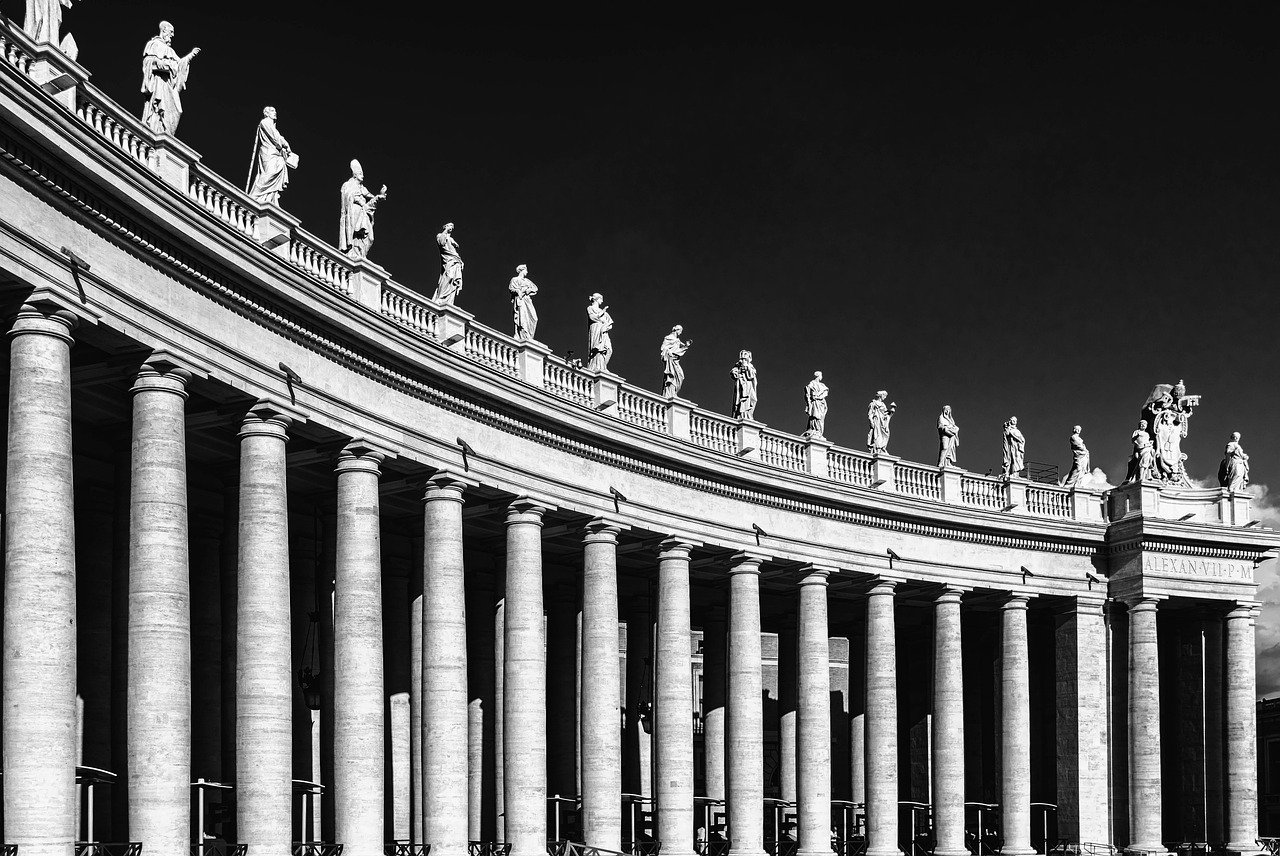
Photo: Jebulon / Wikimedia Commons, CC0
Read more: CBS Investigation Reveals Hospice Fraud Hotspot in Los Angeles