Voterfraud2
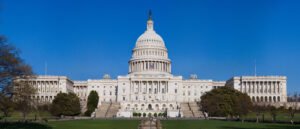
Washington officials spent much of last week fielding questions about fresh reports that voter fraud cases were popping up in more states than anyone had tracked before. The numbers came from a database that had been quietly updated over the summer, and by mid-October the total had climbed past 300 documented instances since 2000. Most involved people trying to cast ballots in someone else’s name or using addresses that didn’t check out.
Republicans in Congress pointed to the list as proof that existing safeguards weren’t enough. They argued that without stricter ID requirements at the polls, the problem would only get worse ahead of the 2016 primaries. Democrats pushed back hard, saying the cases were rare and didn’t justify new barriers that could keep legitimate voters away. A few analysts noted that the database relied heavily on media reports and court records rather than systematic audits.
One case that drew attention involved a woman in Pennsylvania who had voted twice in the same election cycle. She was eventually charged, but the incident only surfaced months after the results were certified. Similar stories from Ohio and Florida showed up in the latest batch, though the scale remained small compared with the millions of ballots cast nationwide each cycle.
Critics of the database said many of the entries were old or involved absentee ballots where mistakes were more common than outright schemes. Supporters countered that even a handful of successful attempts could tip close local races. The debate quickly spilled onto cable news, with each side accusing the other of exaggerating or downplaying the risks.
By the end of the week, state election offices were reviewing their own procedures again. Some planned to tighten verification steps for mail-in ballots, while others focused on better training for poll workers. The issue didn’t dominate headlines for long, but it added another layer to the already heated arguments over how Americans vote.