What’s Behind Trump’s Push to Revive California Oil?

The Trump administration’s directive to Sable Offshore Corp. to restore the Santa Ynez oil unit in California represents a significant step toward revitalizing domestic energy production. This order, issued as part of a broader initiative to enhance America’s energy security, targets a major offshore oil facility that has remained dormant for years due to a complex web of regulatory challenges. By mandating its restoration, the administration aims to unlock untapped resources in one of the nation’s most productive oil regions, potentially increasing output and supporting economic growth in California.
The Santa Ynez oil unit, located in the Santa Barbara Channel off the coast of Southern California, has a storied history dating back to the late 20th century. Originally developed in the 1980s as part of a series of offshore platforms, it was designed to extract oil from underwater reservoirs rich in petroleum. At its peak, the unit contributed substantially to California’s oil supply, helping to meet both state and national demands. However, operations were scaled back and eventually halted in the early 2010s amid heightened environmental regulations, safety concerns following incidents like the 1969 Santa Barbara oil spill, and fluctuating global oil prices. This facility, comprising multiple platforms and pipelines, symbolizes the tension between resource extraction and environmental protection in a state known for its progressive policies on climate change.

Sable Offshore Corp., the company now tasked with this restoration, is a key player in the offshore energy sector. Founded in the 2000s, Sable has specialized in managing and operating oil and gas assets along the California coast, drawing on advanced technologies to ensure safer and more efficient extraction methods. The company’s involvement in the Santa Ynez unit underscores its expertise in navigating the unique challenges of offshore drilling in seismically active areas. The Trump administration’s directive likely stems from assessments that Sable’s capabilities align with federal goals for boosting domestic production, especially as global energy markets continue to evolve with the transition to renewables.
Trump administration directs Sable Offshore to restore Santa Ynez oil unit https://t.co/lKsKWt5w3U pic.twitter.com/JdazM6XJge
— California Post (@californiapost) March 14, 2026
This order cuts through layers of bureaucratic red tape that have long impeded such projects. In California, stringent state and federal regulations, including those enforced by the Bureau of Ocean Energy Management and the California Coastal Commission, have required extensive environmental impact studies, community consultations, and safety upgrades for any oil-related activities. These hurdles, while necessary to protect marine ecosystems and coastal communities, have often delayed or derailed energy initiatives. By prioritizing the restoration, the administration signals a policy shift toward streamlining approvals for projects deemed critical to national interests, potentially setting a precedent for similar efforts nationwide.
The economic implications of reviving the Santa Ynez oil unit are substantial. California, despite its leadership in renewable energy, still relies on fossil fuels for a significant portion of its energy needs. Restoring this facility could create hundreds of jobs in engineering, maintenance, and support services, providing a boost to local economies in regions like Santa Barbara County that have been hit by the decline in oil activities. Additionally, increased domestic oil production could reduce reliance on imports, stabilizing fuel prices and contributing to the national GDP. For California specifically, this might mean enhanced state revenues from royalties and taxes, which could be reinvested in infrastructure or environmental programs.

Beyond the immediate economic benefits, the directive aligns with the administration’s emphasis on energy independence. In a world where geopolitical tensions can disrupt global oil supplies, bolstering domestic production from areas like the Santa Ynez unit helps safeguard against vulnerabilities. This approach builds on previous efforts to expand drilling in federal waters, reflecting a long-term strategy to maintain a balanced energy portfolio that includes both traditional and emerging sources. By 2026, with advancements in drilling technology, such as enhanced safety measures and reduced emissions techniques, operations at Santa Ynez could be more sustainable than in the past, bridging the gap between energy demands and environmental stewardship.
Looking ahead, the long-term implications of this directive are multifaceted. On one hand, successful restoration could lead to increased oil output from the region, potentially extending the lifespan of California’s offshore reserves for another decade or more. This might encourage further investments in domestic energy infrastructure, fostering innovation in areas like carbon capture and storage to mitigate environmental impacts. On the other hand, it raises questions about the sustainability of fossil fuel dependence in an era of climate change. California has been at the forefront of green initiatives, with policies aimed at reducing greenhouse gas emissions, so this move could spark debates on how to balance short-term economic gains with long-term ecological goals. Overall, the directive positions the Santa Ynez unit as a test case for integrating energy production with modern regulatory frameworks.
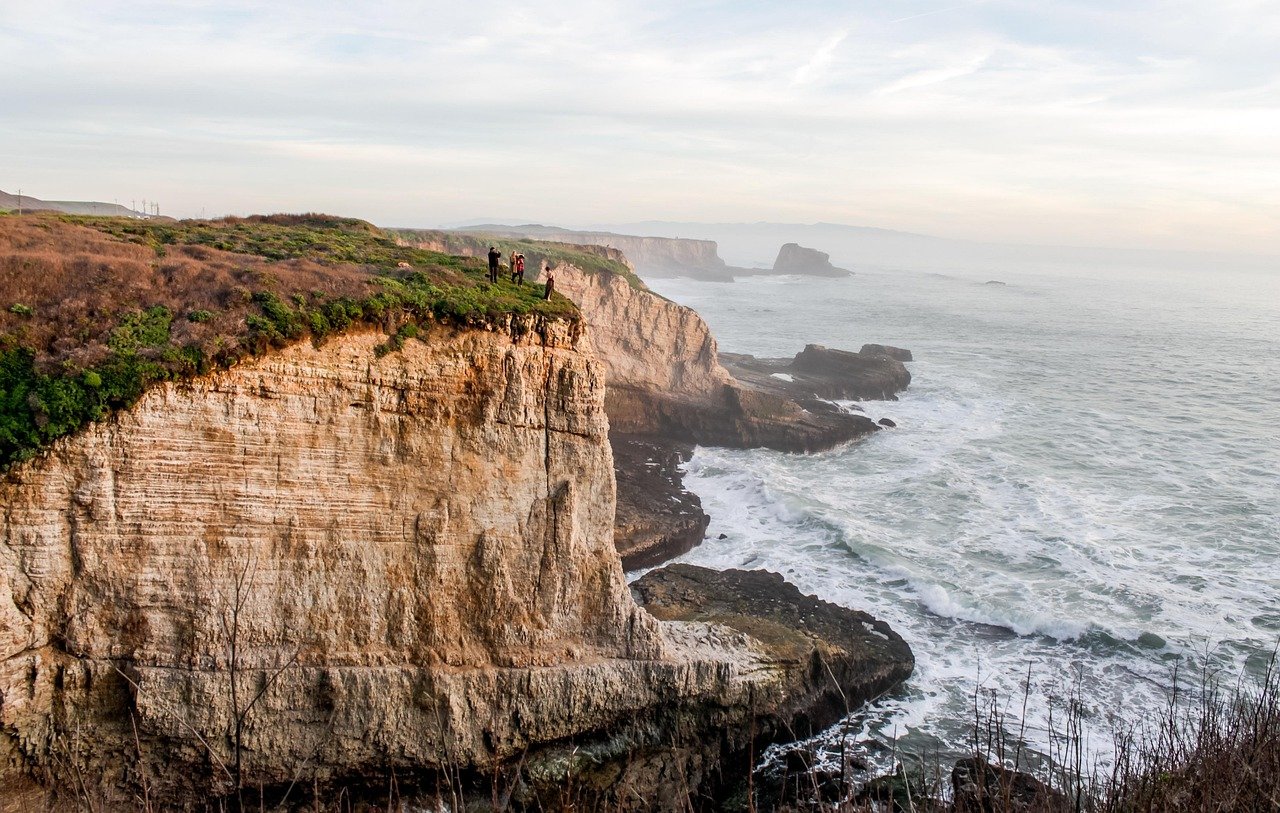
In the broader context, this action reflects ongoing shifts in U.S. energy policy under the Trump administration. Efforts to promote domestic production have included easing restrictions on federal lands and waters, as seen in previous executive orders. For the Santa Ynez unit, this means not only restoring operations but also potentially upgrading facilities to meet current standards, such as incorporating renewable energy components or improving spill prevention systems. As the project progresses, it could influence future decisions on offshore drilling, demonstrating whether such revivals can be achieved without compromising environmental integrity. Ultimately, the directive underscores the administration’s commitment to leveraging America’s natural resources for economic and strategic advantages.
Environmental considerations remain a critical aspect of this restoration. While the focus is on energy production, measures will likely include enhanced monitoring of marine life, stricter adherence to emission limits, and collaboration with state agencies to minimize risks. This balanced approach could serve as a model for other regions, showing that responsible oil extraction is possible even in sensitive areas. As California continues to lead in sustainability efforts, the outcome of the Santa Ynez project may inform national policies on energy transition, highlighting the need for adaptive strategies that address both immediate needs and future challenges.
In summary, the Trump administration’s directive to Sable Offshore Corp. to restore the Santa Ynez oil unit is a pivotal move with far-reaching effects. It revives a key asset in California’s energy landscape, addresses regulatory bottlenecks, and promotes economic recovery while navigating environmental concerns. As this initiative unfolds, it will likely shape discussions on energy policy, illustrating the complexities of achieving energy independence in a rapidly changing world.
Photo: GuavaTrain / Wikimedia Commons, CC0
Read more: DOJ Probes Iran's Use of Binance to Evade Sanctions