Trump Administration Deploys ICE Agents to Major Airports Amid Partial DHS Funding Impasse
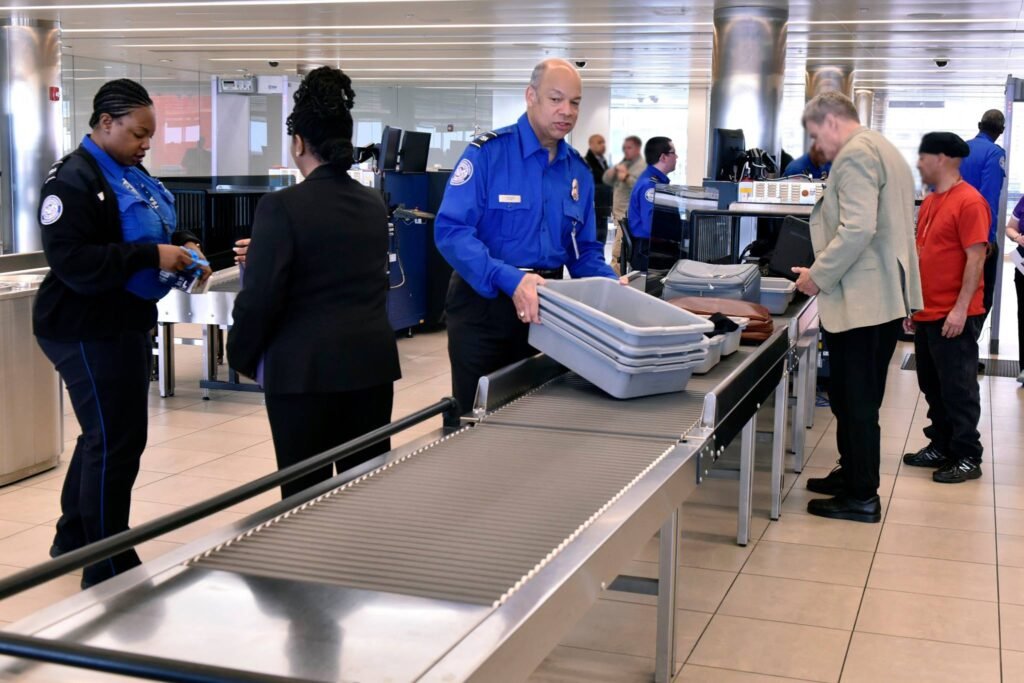
WASHINGTON—Immigration and Customs Enforcement agents have been stationed at more than a dozen major U.S. airports as a partial government shutdown affecting the Department of Homeland Security entered its fifth week, with the move escalating tensions in stalled congressional negotiations over funding.
The deployments, which began on March 23, 2026, involve ICE personnel assisting with non-screening tasks such as monitoring exit lanes, managing passenger queues, and making announcements to help alleviate congestion at security checkpoints. Affected airports include Chicago’s O’Hare International, New York’s John F. Kennedy International, Houston’s George Bush Intercontinental and William P. Hobby, Newark Liberty, Phoenix Sky Harbor, and Atlanta’s Hartsfield-Jackson—the world’s busiest. White House border czar Tom Homan confirmed agents were operating at 14 airports, with plans for additional sites.
The action follows President Donald Trump’s public statements over the weekend urging the deployment if Democrats did not agree to funding terms. In a Truth Social post on March 22, Trump wrote that he had directed ICE to prepare, adding, “NO MORE WAITING, NO MORE GAMES!” He later posted that he would “greatly appreciate, however, NO MASKS” for agents assisting at airports, while supporting their use in other duties. On March 23, Trump told reporters at Palm Beach International Airport that he might call in National Guard troops if needed, saying, “I want to thank ICE because they stepped in so strongly. They’ll do great. And if that’s not enough, we’ll bring in the National Guard.”
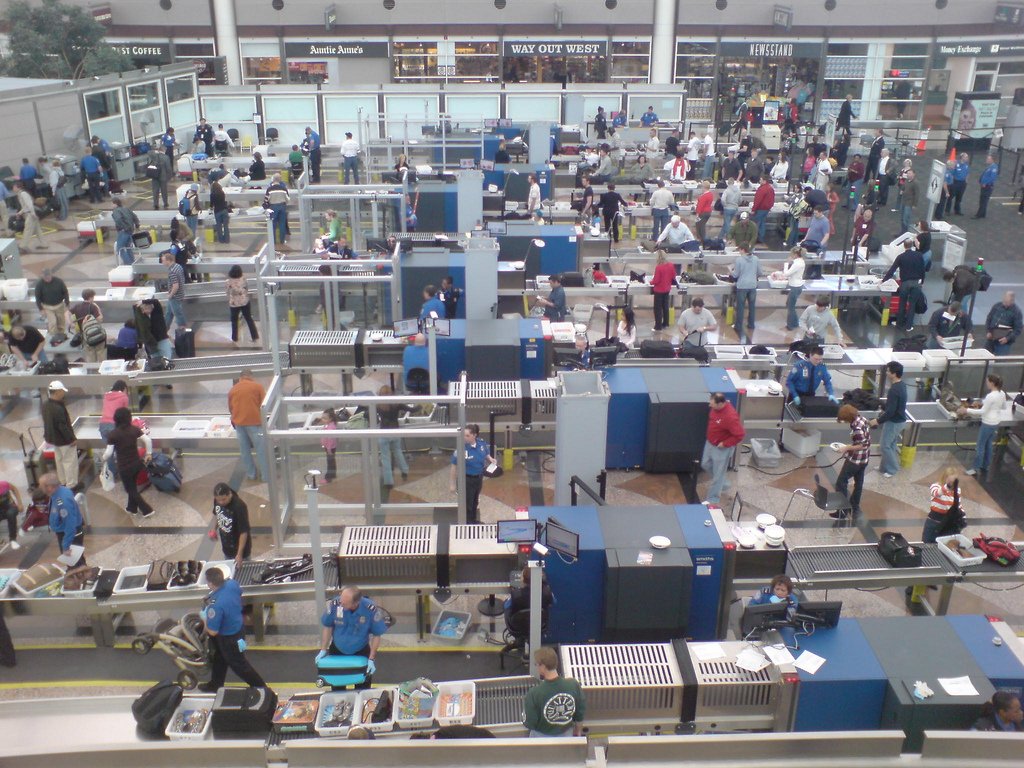
The partial shutdown stems from a funding dispute over the Department of Homeland Security. Congressional Democrats have conditioned approval of broader DHS funding on policy changes, including restrictions on certain ICE practices such as agents wearing masks during operations. Republicans have pushed to fund core immigration enforcement functions while withholding resources for other DHS components until broader agreement is reached. The impasse has left many TSA employees working without pay, contributing to staffing shortages.
TSA call-out rates reached as high as 40% at some major airports over the weekend, with more than 400 officers resigning since the funding lapse began. Long security lines have formed at numerous facilities, prompting traveler frustration. A Department of Homeland Security spokesperson attributed the situation to Democratic resistance in negotiations.
ICE agents are not performing passenger or baggage screening, roles that require specialized TSA training and certification. Instead, they are supporting ancillary functions to free TSA staff for core security duties. An industry official familiar with airport operations, speaking anonymously, described the deployment as largely “performative” in some respects, noting that ICE personnel lack certain badges for restricted areas and full training for document or bag checks. The official added, however, that the assistance has provided tangible benefits in queue management and exit-lane staffing, stating, “the pressure is untenable” and warning that without a deal by the end of the week, the situation could persist.
Chicago Mayor Brandon Johnson, a Democrat, said the city would monitor the ICE presence closely. “We will closely monitor the deployment and use every tool we have to ensure that people, no matter their immigration status, can travel to and from Chicago safely and without harassment from the federal government,” he said. The Port Authority of New York and New Jersey emphasized that any assisting personnel must prioritize safety, integrity, and efficiency in passenger processing.
Democrats have criticized the move. House Minority Leader Hakeem Jeffries told CNN on March 22 that deploying ICE agents to airports was “the last thing that the American people need,” warning of potential risks and citing what he described as ICE’s operational record. New Jersey Gov. Mikie Sherrill accused the administration of creating “chaos,” saying, “Trump’s ICE has a track record of making communities less safe, and sending untrained ICE agents to staff our airports is not an acceptable solution.”
The episode highlights recurring challenges in federal funding negotiations and their impact on critical infrastructure. Partial shutdowns have occurred multiple times in recent decades, often tied to disagreements over spending priorities, border security, and immigration policy. During previous lapses, TSA has relied on unpaid staff, leading to increased absenteeism and operational strain.
Nationally, aviation security remains a high-priority function, with TSA screening millions of passengers daily. Long-term data from the agency show that staffing levels and training standards have been points of ongoing congressional oversight, particularly after disruptions during the 2018-2019 shutdown, the longest on record. Current delays underscore how even temporary funding gaps can cascade into visible effects on public travel.
Broader debates over immigration enforcement and agency roles have intensified in recent years. Supporters of robust ICE operations argue that deploying available federal personnel during emergencies maintains security and order. Critics contend that using immigration agents in civilian transportation hubs risks mission creep and could heighten tensions with travelers. The Trump administration has framed the deployment as a pragmatic response to keep airports functioning while pressing for a funding resolution that includes stronger enforcement measures.
Homan emphasized continuity of mission, stating, “The laws haven’t changed. It’s about the execution of our mission.” DHS officials have declined to provide precise numbers or full lists of airports for operational reasons.
As negotiations continue, both parties face pressure to resolve the stalemate. An anonymous industry source suggested the week ahead could prove decisive, noting, “I think the chessboard is kind of set for this week.” Trump has linked any deal to passage of the SAVE America Act, while Democrats have sought concessions on enforcement practices.
The situation at airports serves as a visible reminder of the intersection between fiscal policy disputes and essential government services. Travelers, airline operators, and airport authorities continue to navigate the disruptions, with calls for a swift bipartisan agreement to restore normal operations and compensate affected federal workers.
No immediate resolution was reported as of late March 23, and the partial shutdown’s effects on other DHS functions remain under discussion in Congress.