Sexual Assault Probe and Staff Revolt Threaten to End Congressman’s California Gubernatorial Bid
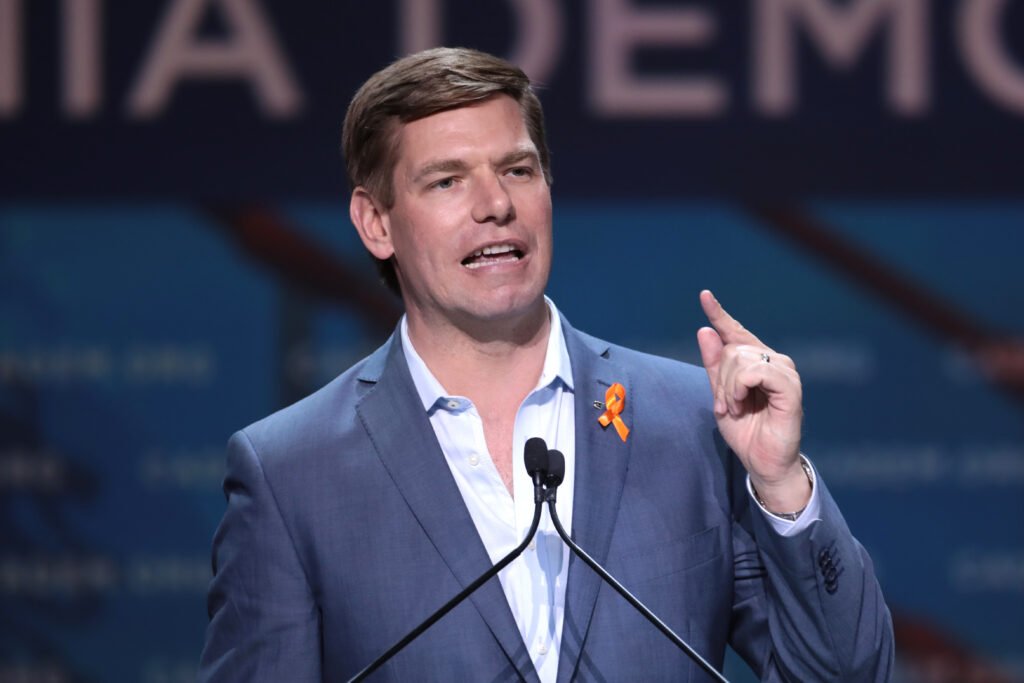
Rep. Eric Swalwell’s once-promising campaign for California governor has unraveled with breathtaking speed. In little more than 24 hours, the Bay Area Democrat went from frontrunner to political pariah, facing a criminal sexual assault investigation by the Manhattan District Attorney’s office, an exodus of senior staff, and urgent calls from top party leaders—including House Minority Leader Hakeem Jeffries and former Speaker Nancy Pelosi—to drop out of the race and even resign from Congress.
The catalyst was a bombshell report detailing allegations from four women, including a former staffer who claims Swalwell raped her in a New York hotel room in 2019 after a charity gala where she had been drinking heavily. The woman told CNN she woke up naked beside the congressman, felt the physical effects of intercourse, and recalled pushing him away while saying “no.” Three other women have accused him of sexual misconduct, including sending unsolicited explicit messages or photos. Some provided contemporaneous documentation, such as messages to friends and records of hospital visits.
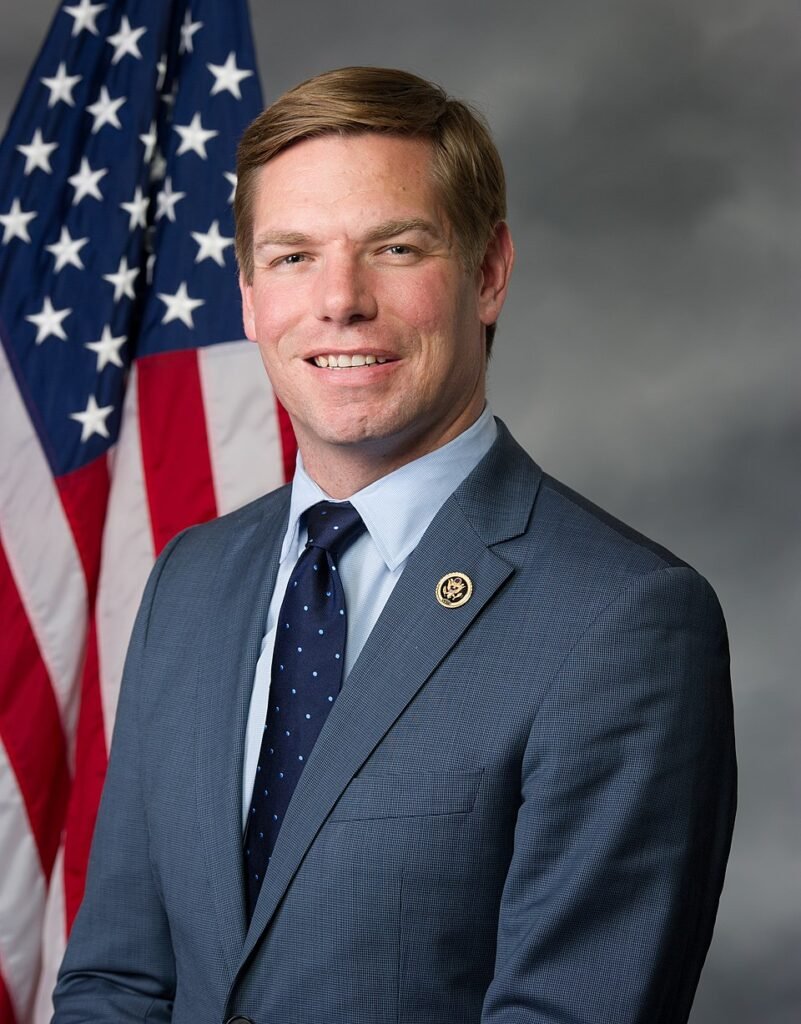

Swalwell has issued a categorical denial. In a video statement recorded from the $26 million Beverly Hills mansion of billionaire Stephen Cloobeck—where he has been staying—he declared the assault allegations “flat out false” and vowed to fight them “with everything I have.” He admitted to unspecified “indiscretions,” apologized to his wife Brittany Watts, and announced he would step away temporarily to spend time with family and friends. Yet the optics of filming the denial from a lavish estate owned by a wealthy donor have only fueled perceptions of detachment from the gravity of the moment.
The Manhattan DA’s office confirmed it has opened an investigation, issuing a statement encouraging survivors to come forward and promising a “trauma-informed, survivor-centered” approach. While Swalwell has not been charged, the mere existence of a criminal probe in a high-profile case adds enormous legal and political peril.
Inside Swalwell’s operation, the damage is already severe. Senior staff from both his congressional office and gubernatorial campaign released a joint statement describing the alleged behavior as “abhorrent” and “beneath the dignity of those serving in public office.” They emphasized that any decision by remaining employees to stay on should not be interpreted as endorsement of the congressman. Campaign aides are actively helping displaced workers find new jobs, with one source telling reporters that staff members “put their professional lives on the line” for someone who has “horribly let them down.”
The political fallout has been swift and brutal. Prominent Democrats who had backed Swalwell’s bid to succeed term-limited Gov. Gavin Newsom—including Sen. Adam Schiff and major labor unions—have withdrawn endorsements and demanded he exit the race. Former Rep. Katie Porter called on him to resign from Congress altogether, arguing that the allegations demand full accountability and that attempts to silence or retaliate against accusers make the situation worse. Political analysts describe the campaign as a “dead man walking,” noting that even if Swalwell survives the immediate storm, criminal charges or further revelations could render his gubernatorial ambitions impossible.
Swalwell’s financial picture adds another layer of complexity. Public disclosures show significant debt, including credit cards and student loans, alongside a Washington, D.C., home and modest assets. His stake in an artificial-intelligence company could face complications amid the scandal. Sources close to the situation suggest these pressures help explain his reluctance to step aside immediately; without a viable path forward in politics, his options appear limited.
This episode arrives against the backdrop of Swalwell’s long record in public life. A former Alameda County prosecutor elected to Congress in 2012, he gained national prominence as a House manager during Donald Trump’s second impeachment trial. He launched a brief 2020 presidential bid that fizzled early and has positioned himself as a vocal progressive on issues from gun violence to immigration. Yet rumors of inappropriate conduct with younger staff and interns had circulated for years, according to some Democratic operatives. His past entanglement with a suspected Chinese intelligence operative—though he was cleared of wrongdoing—has also resurfaced in critics’ commentary.
From a broader perspective, the Swalwell affair illustrates the precariousness of #MeToo-era accountability in politics, particularly within the Democratic Party. California’s 2026 gubernatorial race was already shaping up as a crowded contest to replace Newsom, with candidates eager to project competence and integrity after years of progressive governance. A swift and decisive response from party leaders—demanding resignation or withdrawal—reflects lessons learned from previous scandals in which hesitation damaged institutional credibility. At the same time, the speed of the collapse raises familiar questions about due process: allegations, however serious, have not yet been adjudicated in court, and Swalwell maintains his innocence.
In my view, the situation underscores a deeper tension in contemporary politics. Voters and party gatekeepers rightly demand high standards of personal conduct from public officials, especially those who have built careers around issues of justice and equity. When credible accusations surface—particularly involving power imbalances with subordinates—the presumption of innocence must coexist with swift institutional consequences to preserve public trust. Swalwell’s case also highlights the vulnerability of ambitious politicians whose personal behavior lags behind their public rhetoric. The contrast between his past criticisms of others and the current allegations against him is stark and politically damaging.
For California Democrats, the scandal disrupts what many hoped would be a smooth transition of power. It opens the field for other contenders, potentially shifting the ideological balance of the race. More importantly, it forces a reckoning with internal culture: how power is exercised in congressional offices, how complaints are handled, and whether the party applies consistent standards regardless of a member’s prominence or ideological alignment.
Swalwell has signaled he intends to fight rather than fold immediately. Yet with allies abandoning ship, staff in revolt, and a criminal investigation underway, his path to political survival looks extraordinarily narrow. The coming weeks will test not only his legal defense but his judgment under pressure. In an era when scandals move at digital speed, the distance between frontrunner and has-been can be measured in hours rather than months.
California politics has seen dramatic falls before, but few have been as sudden or as comprehensive as this one. Whether Swalwell can mount any meaningful comeback—or whether this marks the effective end of a once-rising career—will depend on facts yet to emerge, the strength of the evidence, and the willingness of voters and party elders to forgive or forget. For now, the congressman’s gubernatorial ambitions appear on life support, with the machines of political and legal accountability already in motion.