Pakistani-Born Ex-Official Jailed in California Scheme
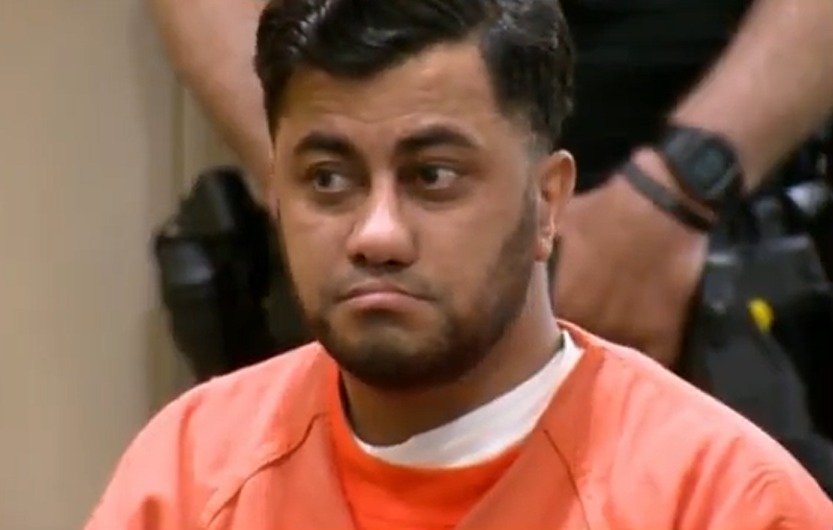
The recent spotlight on Libs of TikTok, a popular conservative account on X (formerly Twitter), has brought national attention to a troubling voter fraud case involving former Lodi City Councilman Shakir Khan. On March 3, 2026, the account posted a “JUST IN” update about Khan, a Pakistani immigrant who was sentenced to three years in jail for registering over 70 fake voters. This scandal not only highlights the specifics of Khan’s actions but also exposes deeper vulnerabilities in California’s election infrastructure. Khan allegedly manipulated voter rolls to influence local outcomes, a tactic that critics argue is symptomatic of broader issues in states with lax verification processes. As the post went viral, it fueled debates about election integrity, with conservatives pointing to it as proof that Democrats’ voting expansions create opportunities for abuse, while demanding stricter enforcement and reforms to safeguard democracy.
To understand this case fully, it’s essential to delve into Shakir Khan’s background and rise in local politics. Born in Pakistan, Khan immigrated to the United States in the late 1990s, eventually settling in Lodi, a city in Northern California’s San Joaquin County. He built a reputation as a community leader, advocating for immigrant rights and local development projects. Elected to the Lodi City Council in 2022 amid a wave of progressive candidates, Khan appeared to embody the American dream. However, beneath this facade, investigators later uncovered a scheme where he exploited his position to file fraudulent voter registrations. Using false identities, forged documents, and possibly even stolen personal information, Khan registered dozens of bogus voters, potentially swaying close council races and other local elections. This wasn’t an isolated incident; similar fraud has surfaced sporadically in California, but prosecutions remain rare due to what many see as inadequate oversight and enforcement resources.

The courtroom drama surrounding Khan’s sentencing underscores the severity of his crimes. In a trial that captivated the region, prosecutors presented evidence showing how Khan targeted California’s relatively permissive voter registration rules, such as same-day registration and automatic enrollment through the DMV. He likely took advantage of gaps in verification, including the lack of mandatory photo ID requirements for voting. This case serves as a stark reminder that even trusted insiders can undermine democratic processes. Groups like the Heritage Foundation have long warned about these risks, arguing that policies designed to boost turnout can inadvertently open doors to manipulation in densely populated, diverse states like California. Khan’s actions, which could have altered election results, have shaken public confidence and intensified calls for systemic changes to prevent such abuses.
JUST IN: Shakir Khan, a former Lodi City Councilman who was born in Pakistan, has been sentenced to 3 years in jail for registering over 70 fake voters
The thing that Democrats say never happens just happened again! pic.twitter.com/fpESkHxWPR
— Libs of TikTok (@libsoftiktok) March 3, 2026
Expert analysis of this fraud reveals a pattern of election troubles in California that extends beyond Khan’s misdeeds. According to studies from organizations like the Election Integrity Project, thousands of ineligible voters, including non-citizens, remain on the state’s rolls due to errors in automatic registration systems. Hans von Spakovsky, a senior legal fellow at the Heritage Foundation, has been vocal about these issues, stating in interviews that California’s DMV-based enrollment process is particularly prone to fraud because it doesn’t adequately verify citizenship. He points to Khan’s case as “irrefutable evidence” that voter fraud is not a myth, emphasizing how insiders with access to government databases can exploit these flaws. Other experts, such as those from the Public Interest Legal Foundation, have conducted audits showing discrepancies in voter lists, recommending reforms like routine cross-checks with federal databases to ensure only eligible citizens vote.
Public reaction to Libs of TikTok’s post was swift and polarized, igniting fierce debates across social media platforms. Conservatives seized on the story to criticize Democratic-led voting expansions, with users sharing the post widely and tagging lawmakers to demand action. Comments sections filled with accusations that policies like mail-in voting and automatic registration make fraud easier, using Khan’s conviction as a prime example. On the other hand, liberals and some civil rights groups dismissed it as an isolated event, arguing that such cases are rare and that highlighting them unfairly stigmatizes immigrant communities. Yet, data from the Public Interest Legal Foundation counters this narrative, revealing multiple instances of fraud in recent years. The post also sparked discussions about Khan’s background, with some accusing critics of xenophobia, though defenders maintained that the focus was on accountability rather than his origins. This online firestorm extended to mainstream media, where outlets debated the implications on cable news and opinion pages, further amplifying the story’s reach.
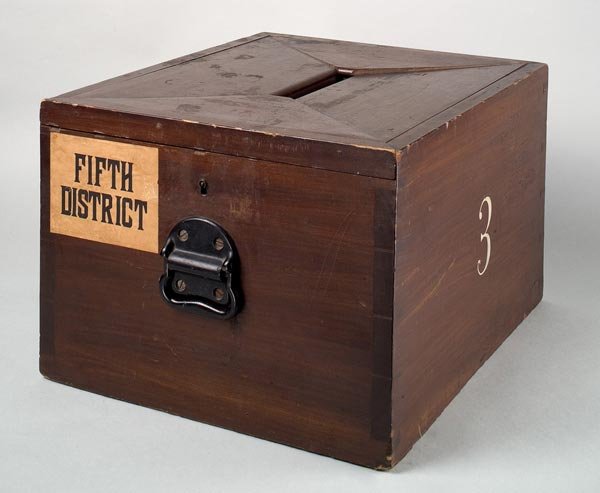
The long-term implications of Khan’s fraud extend far beyond Lodi, potentially reshaping California’s election landscape as the 2026 midterms approach. If similar schemes are uncovered, it could lead to statewide investigations, prompting officials to implement stronger safeguards like enhanced database verification and mandatory voter ID laws. Conservative think tanks advocate for these measures, arguing they are essential to restore trust and prevent future abuses, even if critics warn that such changes might suppress turnout among marginalized groups. However, proponents counter that security must prioritize over convenience, citing examples from other states with stricter laws that have maintained high participation rates without widespread fraud. This case could also influence national conversations about election reform, pushing for federal standards that address vulnerabilities in state systems.
In the broader context, Khan’s actions highlight ongoing challenges in local governments, where officials often have direct access to voter registration tools. For instance, in diverse communities like those in San Joaquin County, the mix of rapid population growth and relaxed rules can create opportunities for exploitation. Experts suggest that regular audits and cross-agency collaborations could mitigate these risks, ensuring that election integrity is upheld at all levels. As voters head to the polls in upcoming cycles, this scandal serves as a wake-up call, emphasizing the need for vigilance and transparency to protect the democratic process from internal threats.
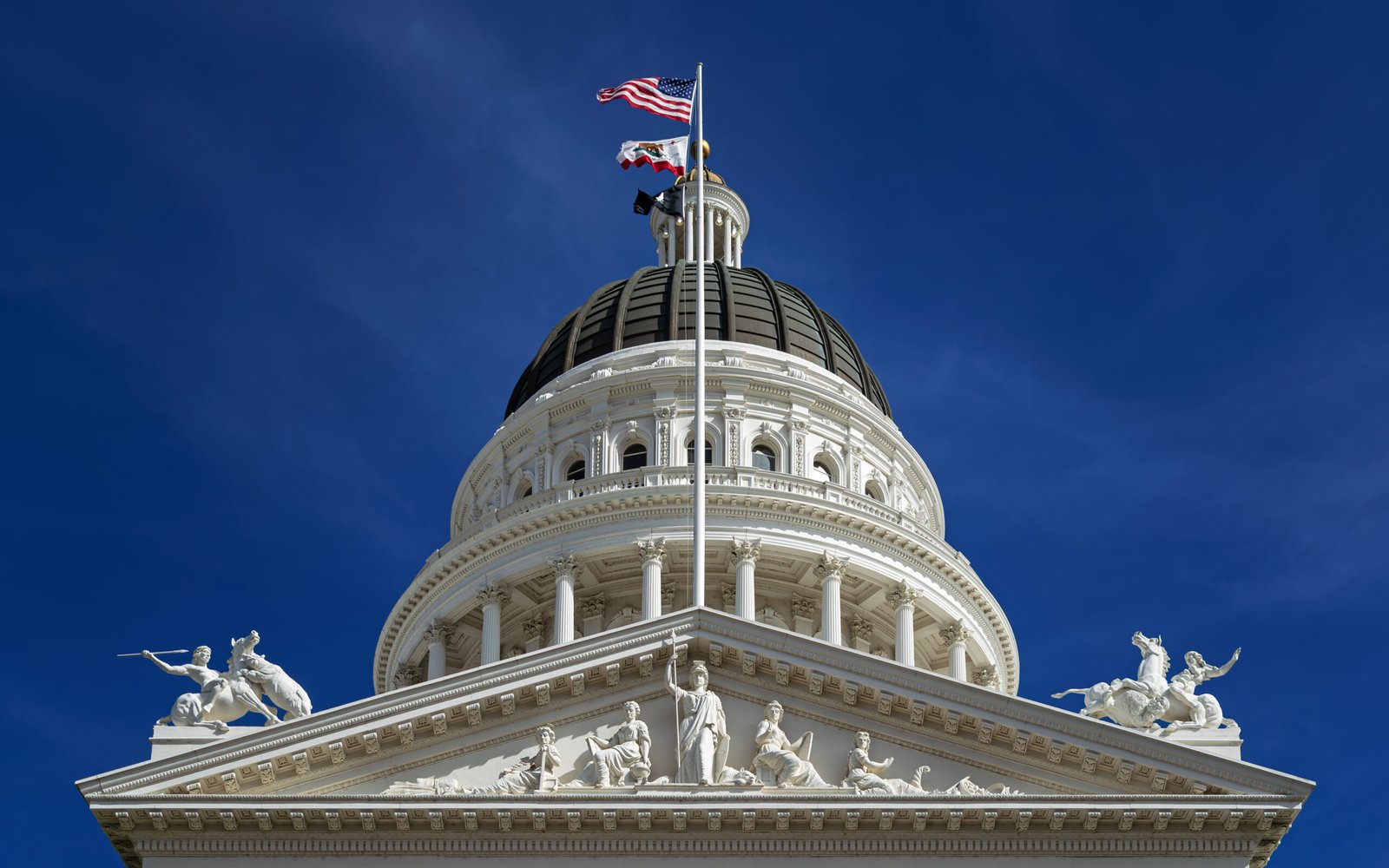
Looking ahead, the fallout from Khan’s sentencing might catalyze legislative changes in the California State Capitol. Lawmakers could face pressure to revise existing laws, perhaps introducing harsher penalties for fraud or improving training for election officials. This episode also underscores the role of social media in exposing such issues, with accounts like Libs of TikTok acting as watchdogs that amplify stories often overlooked by traditional media. While some view this as partisan activism, it undeniably brings attention to critical flaws, fostering a more informed electorate. Ultimately, cases like this reinforce the idea that election security is a non-partisan imperative, one that requires collective effort to maintain the integrity of our votes.
As we reflect on this scandal, it’s clear that Khan’s fraud is not just a local blemish but a symptom of deeper systemic issues in American elections. The Heritage Foundation’s von Spakovsky has reiterated that without reforms, similar incidents could proliferate, eroding public trust and potentially altering outcomes in key races. This view resonates with many Americans who demand secure, fair elections, free from the influence of insider schemes. In conclusion, the exposure of Shakir Khan’s actions through platforms like Libs of TikTok serves as a pivotal moment, urging policymakers and citizens alike to fortify our electoral systems against future threats, ensuring that every vote truly counts in the years to come.
Tweet image from @Libs of TikTok on X, used under fair use for news commentary | Photo: Joe Gratz / Wikimedia Commons, CC0
Read more: Los Angeles Police Shift to Manual Dispatch Amid Tech Failure