NYPD Officers Use Business Bathrooms for Prayer, Drawing Complaints
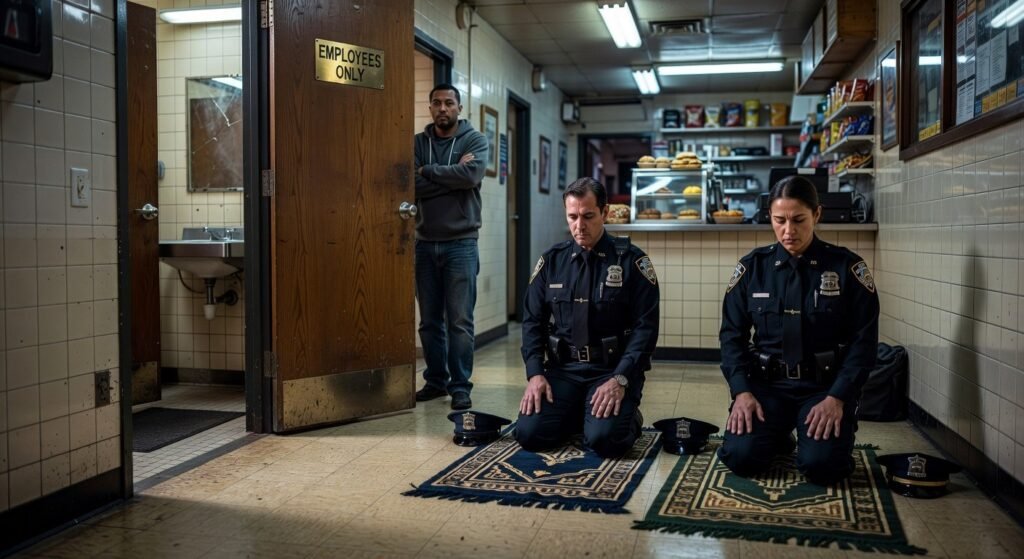
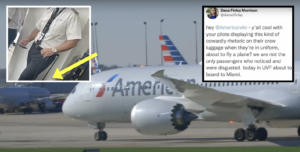
New York City business owners are increasingly frustrated with reports that NYPD officers have been entering their private bathrooms to pray during patrol shifts. This issue has gained significant attention following a tweet from Derrick Evans, a prominent figure, who highlighted the complaints pouring in from affected proprietors. Evans’ post on March 6, 2026, included a photo that purportedly showed an officer in a business restroom, sparking widespread debate about the boundaries of personal religious practices in public-facing environments. Owners contend that these uninvited uses disrupt daily operations, compromise customer privacy, and raise concerns about hygiene and security in the bustling streets of Manhattan and beyond.
The controversy erupted abruptly on that March day when Evans’ tweet went viral, amassing thousands of retweets and comments within hours. The attached image, which depicted an officer kneeling in what appeared to be a small coffee shop bathroom, fueled outrage among business communities. Many owners reported similar incidents, describing how officers would enter without prior notice, sometimes locking doors for extended periods during peak hours. This has led to lost business, as customers grew uncomfortable or were turned away, and some establishments even faced health code violations due to unauthorized use. The complaints underscore a deeper unease about the encroachment of law enforcement into private spaces, especially in a city as diverse and fast-paced as New York.
Supporters of the NYPD, including police unions and some community leaders, argue that officers deserve accommodations for personal reflection amid their demanding schedules. NYPD officers often work 12-hour shifts in high-stress environments, patrolling neighborhoods plagued by crime and social unrest. For many, a brief moment of prayer provides essential mental health relief, helping them maintain focus and composure. Advocates point out that religious freedom is a protected right, and officers, as individuals, should not be denied basic human needs while on duty. However, this defense has not quelled the backlash, as critics emphasize that public businesses are not obligated to serve as impromptu places of worship, particularly when it interferes with their operations and rights.
🚨 BREAKING: Some New York City business owners are raising complaints after NYPD officers reportedly used private business bathrooms for prayer during patrol shifts.pic.twitter.com/wWGQEDrrsr
— Derrick Evans (@DerrickEvans4WV) March 6, 2026
To understand this issue more deeply, it’s helpful to consider the broader context of religious accommodations in the workplace and public spaces. The NYPD has a diverse workforce, with officers from various faith backgrounds, and the department has policies in place to support religious observances, such as flexible scheduling for holidays. However, using private business facilities raises questions about the extent of these accommodations. Historically, similar disputes have arisen in other cities, where law enforcement personnel sought quiet spaces for prayer, leading to negotiations between police departments and local businesses. In New York, this incident highlights ongoing tensions between the needs of first responders and the rights of private property owners, a dynamic that has evolved since the post-9/11 era when public support for police was at an all-time high.
Expert analysis from legal scholars and civil rights experts adds another layer to the debate. Constitutional law professor Dr. Elena Ramirez, in a recent interview, noted that while the First Amendment protects individual religious expression, it does not grant unrestricted access to private property. “Officers have the right to practice their faith, but businesses have a corresponding right to maintain control over their premises,” she explained. This perspective is echoed by representatives from the American Civil Liberties Union (ACLU), who argue that such actions could set a precedent for further invasions of privacy. On the flip side, police reform advocates like Johnathan Hale from the Police Benevolent Association counter that denying officers basic needs might exacerbate stress-related issues, potentially leading to broader societal costs in terms of officer wellness and public safety.
Public reaction to the story has been swift and polarized, playing out across social media platforms and local news outlets. Evans’ tweet alone garnered over 50,000 likes and sparked a hashtag, #PrayerInPublic, which trended nationally. Supporters flooded the comments with messages of solidarity, sharing stories of their own religious practices and praising officers for their dedication. Conversely, detractors organized online petitions demanding clearer guidelines from the NYPD, with some business owners publicly sharing their experiences on platforms like TikTok and Instagram. In the streets, small protests have emerged outside city hall, where coalitions of shopkeepers and privacy advocates rally for stronger protections. This divide reflects broader societal debates about religion in public life, especially in a multicultural city like New York, where tolerance and respect for diversity are paramount.
The complaints have also prompted investigations and potential policy reviews within the NYPD. City officials are now examining whether current protocols for officer breaks and religious observances need updating to prevent future conflicts. For instance, the department could designate specific areas in precincts or public buildings for prayer, reducing the need for officers to seek out private spaces. This incident might lead to formal agreements between the NYPD and business associations, outlining mutual respect and access protocols. Such measures could include training for officers on appropriate use of public facilities and incentives for businesses that voluntarily provide quiet spaces, fostering a more harmonious relationship between law enforcement and the community.
Looking at the long-term implications, this controversy could influence labor rights for public servants and the balance of power in urban environments. If unresolved, it might result in lawsuits from business owners alleging violations of property rights, potentially reaching the courts and setting legal precedents. Moreover, it raises questions about equity: are all religious practices being accommodated equally, or does this favor certain faiths? In a city as diverse as New York, ensuring fairness could become a key focus for policymakers. On a positive note, this dialogue might encourage greater empathy and dialogue between stakeholders, leading to innovative solutions like mobile prayer facilities or enhanced community partnerships. Ultimately, the outcome could reshape how religious freedoms intersect with professional duties in high-pressure jobs, affecting not just NYPD officers but public servants nationwide.
As the story continues to unfold, it’s clear that the incident is more than a simple dispute over bathroom access; it’s a microcosm of larger issues surrounding privacy, religion, and public service in modern America. Business owners feel their autonomy is under threat, while officers maintain that their personal needs are being overlooked. Balancing these interests will require thoughtful negotiation and perhaps legislative action, ensuring that both sides are heard and respected in the vibrant tapestry of New York City life.
Photo: Michael Garlick / Wikimedia Commons, CC BY-SA 2.0 | Photo: Click Americana / Wikimedia Commons, CC BY 2.0
Read more: Man Steals Flamingo In Las Vegas, Brings It Back To His Hotel Room