DOJ Probes Iran’s Use of Binance to Evade Sanctions

The U.S. Department of Justice has launched a formal probe into Iran’s alleged use of the Binance cryptocurrency exchange to skirt American sanctions, marking a significant escalation in efforts to curb illicit financial activities. This investigation stems from reports that Iran has been channeling billions of dollars through cryptocurrency networks, exploiting the decentralized and pseudonymous nature of digital assets to evade restrictions imposed by the U.S. and its allies.
To understand the context, it’s essential to revisit the history of U.S.-Iran relations and the sanctions framework. Since the 1979 Iranian Revolution and escalating tensions over Iran’s nuclear program, the United States has imposed a series of stringent economic sanctions aimed at limiting Iran’s access to global financial systems. These measures, intensified under various administrations, prohibit transactions with Iranian entities and restrict access to the U.S. dollar. However, the rise of cryptocurrencies like Bitcoin and Ethereum has introduced a new challenge, allowing sanctioned nations to bypass traditional banking controls. Binance, one of the world’s largest crypto exchanges, has become a focal point due to its vast user base and relatively lenient regulatory oversight in some jurisdictions.

Iran reportedly funneled billions through crypto channels, using Binance as a conduit to convert fiat currencies into digital assets and move funds across borders undetected. According to sources, including the tweet by Wealthy Anon, a prominent crypto commentator, Iranian entities exploited vulnerabilities in crypto’s regulatory landscape to conduct transactions that would otherwise be flagged by international watchdogs. This isn’t the first time crypto has been linked to sanction evasion; similar allegations have surfaced regarding North Korea and Venezuela. Yet, the scale of Iran’s operations, potentially involving billions, highlights the limitations of current enforcement mechanisms.
🚨 BREAKING: The U.S. Department of Justice has launched a formal investigation into Iran using Binance to evade American sanctions.
Iran was allegedly moving billions through crypto while the U.S. government was busy cracking down on its own citizens using the same technology. pic.twitter.com/qbLqJvE3TL
— Wealthy Anon (@Inj_pumping) March 11, 2026
This investigation exposes a profound irony: While Washington has aggressively targeted everyday Americans for dabbling in cryptocurrency—through actions like SEC crackdowns on unregistered exchanges and IRS pursuits of tax evaders—Iran has seemingly slipped past these same safeguards. The U.S. government’s dual approach raises questions about consistency in policy. For instance, domestic regulations under the Biden administration have emphasized consumer protection and anti-money laundering (AML) compliance, yet these rules appear insufficient against sophisticated state actors. Critics argue that this discrepancy not only undermines U.S. credibility but also inadvertently bolsters adversarial regimes by driving them toward alternative financial tools.
Details emerged from a tweet by Wealthy Anon, who highlighted how Iran moved massive sums undetected, sparking widespread discussion on social media platforms. The tweet, posted on March 11, 2026, included a link to an image or document that purportedly outlined the transactions, quickly going viral among crypto enthusiasts and policy analysts. Wealthy Anon’s account, known for its insider scoops on blockchain developments, added fuel to the fire, prompting mainstream media outlets to pick up the story and demand transparency from both Binance and U.S. authorities.
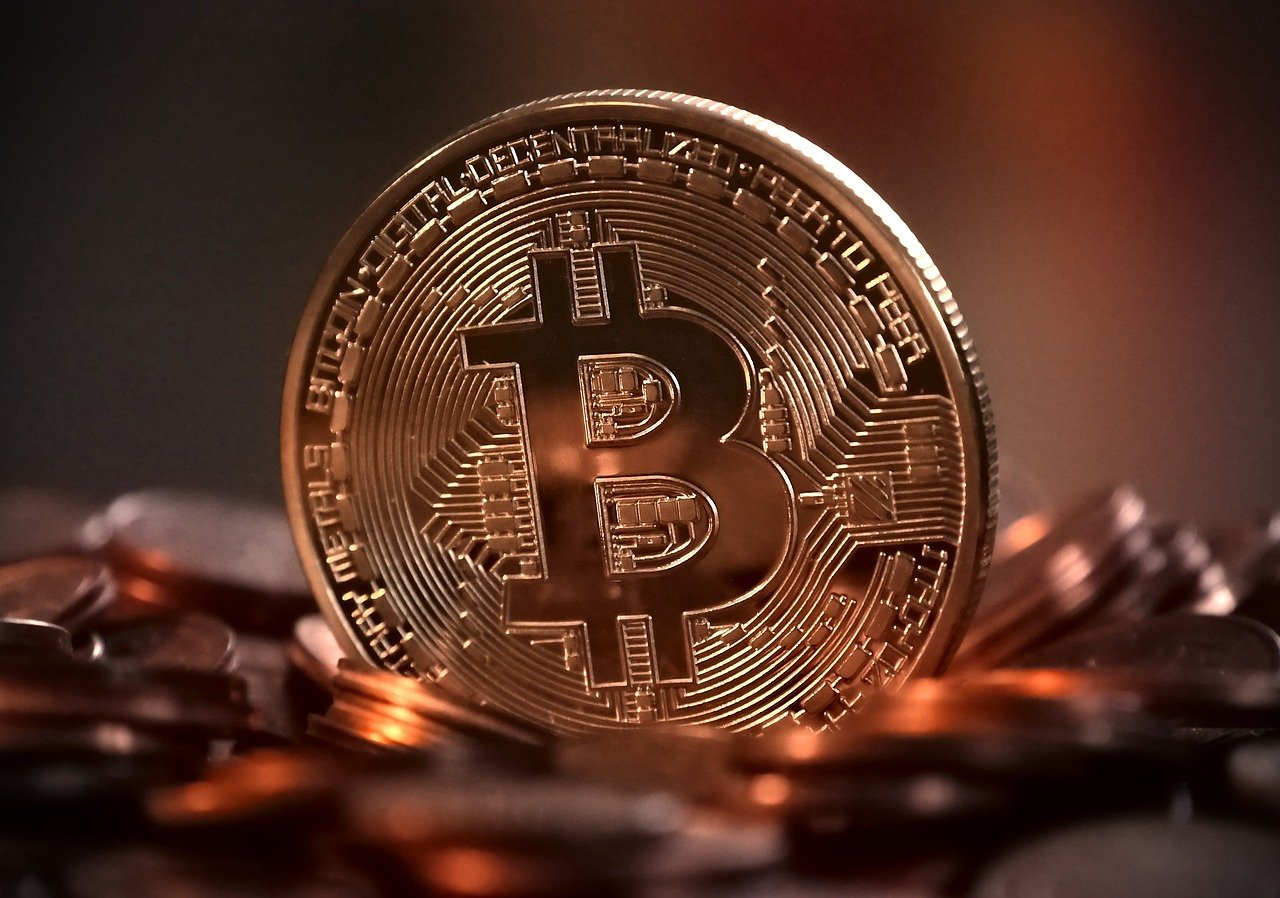
Public reaction has been swift and polarized. On social media, hashtags like #IranCryptoScandal and #SanctionsHypocrisy trended, with users criticizing the U.S. for what they perceive as selective enforcement. Supporters of crypto decentralization argue that overregulation could stifle innovation, while others call for immediate reforms to prevent abuse. In Washington, lawmakers from both parties have voiced concerns. Crypto advocates like Rep. Ro Khanna have cautioned against knee-jerk reactions that might alienate the industry. Internationally, reactions vary: European allies support the investigation, while countries like Russia and China may see it as an opportunity to promote their own digital currency initiatives.
The long-term implications of this investigation are far-reaching, potentially altering the landscape of global finance and U.S. foreign policy. For Binance, the scrutiny could result in hefty fines, operational restrictions, or even delisting in certain markets, forcing the exchange to enhance its compliance infrastructure. This case might accelerate the push for a global regulatory framework for cryptocurrencies, perhaps through bodies like the Financial Action Task Force (FATF), which could standardize AML practices worldwide. From a geopolitical perspective, if Iran successfully evaded sanctions via crypto, it could embolden other nations to explore similar tactics, leading to a cat-and-mouse game between regulators and innovators.

Moreover, this probe highlights the need for the U.S. to reconcile its domestic and international crypto policies. As digital assets become increasingly integral to the global economy, the irony of cracking down on small-scale users while larger threats persist could erode public trust in government institutions. Experts predict that this might spur legislative action, such as amendments to the Bank Secrecy Act or new crypto-specific laws, to close loopholes. In the end, the outcome of the DOJ’s investigation could redefine how nations enforce sanctions in the digital age, ensuring that technology meant for empowerment doesn’t become a tool for evasion.
As this case unfolds, expect tough questions for Binance executives, who may face congressional hearings, and for U.S. enforcers tasked with balancing innovation and security. The revelations could prompt a broader reevaluation of how cryptocurrencies intersect with national security, potentially leading to a more unified approach that addresses both domestic users and international adversaries. This investigation, ignited by a single tweet, underscores the power of social media in shaping policy debates and the enduring challenges of regulating a borderless financial frontier.
Photo: Joe Gratz / Wikimedia Commons, CC0
Read more: CBS Investigation Reveals Hospice Fraud Hotspot in Los Angeles