Shattering the Myth: Cesar Chavez’s Dark Secrets Exposed
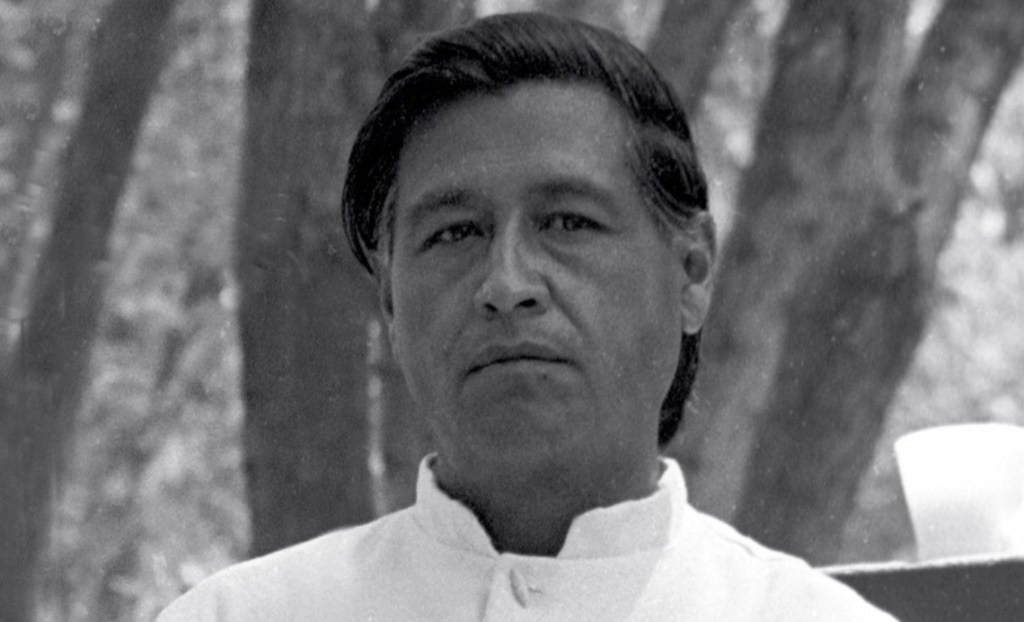
The recent surge of abuse allegations against Cesar Chavez has ignited a firestorm of criticism from prominent Latino leaders, who have publicly denounced the civil rights icon and called for a reevaluation of his storied legacy. For decades, Chavez has been revered as a pivotal figure in the fight for farm workers’ rights, but these accusations have shattered the pedestal upon which he stood, prompting a wave of outrage across Latino communities nationwide.
Cesar Chavez, born in 1927 in Arizona to a Mexican American family, rose from humble beginnings as a migrant farm worker to become one of the most influential labor leaders in American history. Alongside Dolores Huerta, he co-founded the United Farm Workers (UFW) in 1962, organizing strikes, boycotts, and marches that drew national attention to the plight of agricultural laborers. His most famous campaign, the Delano grape strike and boycott in the 1960s, lasted five years and ultimately led to significant improvements in wages and working conditions for farm workers. Chavez’s commitment to nonviolent protest, inspired by figures like Mahatma Gandhi and Martin Luther King Jr., earned him widespread acclaim, including the Presidential Medal of Freedom in 1994. However, his legacy has not been without controversy, as internal accounts from his organization have highlighted tensions and disputes over leadership styles.

At the heart of the current backlash are allegations of abuse that have emerged from various reports tied to Chavez’s tenure with the UFW. These claims, which include accusations of verbal and emotional mistreatment of fellow organizers and workers, have been documented in historical analyses and firsthand testimonies. For instance, some former associates have described an environment within the UFW where dissent was stifled, and loyalty to Chavez was enforced through intimidation. While Chavez’s defenders argue that such measures were necessary in the face of external pressures from powerful agricultural interests, critics contend that these actions contradict the principles of equality and respect that he championed publicly. This dichotomy between his public persona and private conduct has fueled the recent condemnations from Latino leaders, who see the allegations as a betrayal of the very communities he sought to uplift.
Top Latino figures, including community organizers and elected officials, have been vocal in their disapproval, emphasizing that no individual, regardless of their historical contributions, should be exempt from scrutiny. They have pointed to specific instances outlined in investigative reports, such as those detailing Chavez’s role in disciplinary actions against UFW members, as evidence of misconduct that demands a thorough and impartial investigation. These leaders argue that ignoring such allegations perpetuates a culture of silence and enables further harm, particularly within marginalized groups that have long struggled for justice. Their calls for accountability reflect a broader sentiment that historical heroes must be held to contemporary ethical standards, ensuring that the movement for social change remains inclusive and transparent.
This controversy underscores the complex relationship between Latino communities and their historical figures, highlighting how perceptions of icons like Chavez evolve over time. In the past, Chavez was celebrated as a symbol of resilience and empowerment, with schools, streets, and holidays named in his honor. Yet, as society grapples with issues of power dynamics, gender equality, and workplace abuse, his actions are being reexamined through a more critical lens. This shift is not isolated to Chavez; similar reevaluations have occurred with other civil rights leaders, prompting discussions about the need to balance admiration with accountability in historical narratives.

The long-term implications of this backlash could reshape how Cesar Chavez is remembered in educational curricula and public discourse. For instance, his story, once a staple in lessons on labor rights and civil disobedience, might now include more nuanced discussions about the flaws in his leadership. This could encourage a more comprehensive approach to teaching history, where students learn not only about achievements but also about the human imperfections that accompany them. Such changes might lead to greater emphasis on collective efforts within the UFW, giving credit to other key figures like Huerta, and fostering a more accurate portrayal of the movement’s dynamics.
Furthermore, the reaction from Latino leaders signals potential shifts in community activism, where future initiatives may prioritize internal safeguards against abuse to prevent similar issues. Organizations advocating for workers’ rights could adopt stricter codes of conduct, drawing from this episode to build more robust structures for accountability. This evolution might strengthen the overall efficacy of social justice efforts by ensuring that advocates practice the principles they preach, thereby maintaining public trust and support.
In the broader context of American history, this incident highlights ongoing tensions within minority communities over how to honor their trailblazers while confronting uncomfortable truths. The Latino community, in particular, faces the challenge of preserving cultural pride and heritage while adapting to modern values of inclusivity and equality. As debates continue, there is an opportunity for healing and growth, where acknowledging past wrongs can lead to more equitable representations of history and inspire a new generation of leaders committed to ethical practices.
Looking ahead, the fallout from these allegations may influence policy discussions around labor rights and workplace protections. Lawmakers and advocacy groups could use this moment to push for reforms that address not only economic inequalities but also interpersonal dynamics within organizing efforts. By doing so, they aim to create environments where abuse is not tolerated, ensuring that the sacrifices of past activists like Chavez translate into sustainable, positive change for future generations.
Ultimately, this episode serves as a reminder of the evolving nature of legacy, where the impact of historical figures is continually reassessed in light of new evidence and societal shifts. For Latino leaders, the condemnation of Chavez is not an erasure of his contributions but a call for a more honest and multifaceted understanding of his role in the fight for justice. As the community navigates these waters, the focus remains on building a future that honors the past without idealizing it, fostering ongoing dialogue and reflection to drive meaningful progress.
In conclusion, the current wave of criticism against Cesar Chavez represents a pivotal moment in Latino history, urging a reconciliation of admiration with accountability. By addressing these allegations head-on, leaders are paving the way for a more resilient and introspective movement, one that learns from its icons while striving for greater integrity in all aspects of advocacy.
Photo: William Warby / Wikimedia Commons, CC BY 2.0
Read more: Nevada Sheriff Defies Judge Over Violent Criminal's Release