Carly Fiorina Says English Official Language United States
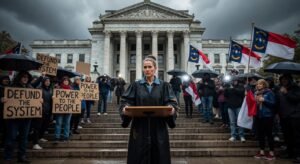
Washington, DC – On January 22, 2016, Republican presidential candidate Carly Fiorina stirred up debate during a campaign event when she called for English to be designated as the official language of the United States. Speaking to a crowd of supporters, the former Hewlett-Packard CEO argued that making English official would help unify the country and promote assimilation among immigrants. It was a bold stance in the midst of a heated primary season, and Fiorina didn’t hold back as she tied the idea to her broader critique of immigration policies.
Fiorina, who had been polling on the lower end of the GOP field at the time, used the moment to position herself as a straight-talking outsider. She pointed to examples from other nations, saying that a common language strengthens national identity and eases communication in everyday life. “We need to encourage people to learn English if they’re going to succeed here,” she told reporters afterward, adding that it wasn’t about exclusion but about shared values. Her comments came just days before the Iowa caucuses, a critical early test for candidates, and they quickly became a talking point on cable news.
The proposal wasn’t entirely new in American politics; similar ideas had surfaced in past elections, often drawing fire from immigrant rights groups. Critics accused Fiorina of pandering to voters’ fears about immigration, especially with Donald Trump dominating headlines over his own controversial wall plan. One advocate for bilingual education shot back that such measures could isolate non-English speakers and ignore the cultural diversity that defines the U.S. Still, Fiorina’s team defended her remarks as a practical solution to real challenges, like job opportunities and social integration.
In the end, Fiorina’s push for an official language didn’t propel her campaign much further – she dropped out after a disappointing Super Tuesday. But the discussion highlighted ongoing tensions around language and identity in America, a topic that keeps resurfacing in national conversations. As the 2016 race moved on, her words served as a reminder of how candidates use everyday issues to connect with voters, for better or worse.