Obama Wins Us Debt Limit Budget Truce Through End Presidency
Washington, D.C. – On March 28, 2016, President Barack Obama notched a key win as Congress agreed to a temporary truce on the U.S. debt limit, pushing the deadline past his time in office. The deal meant the government could keep borrowing money without immediate threat of a shutdown, giving lawmakers a break from the constant brinkmanship that had defined budget fights in recent years.
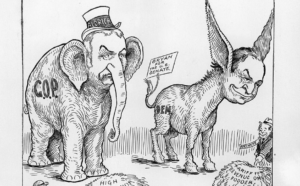
Lawmakers passed a bill that suspended the debt ceiling until March 2017, effectively clearing the way for Obama to wrap up his second term without the usual standoffs. Republicans, who controlled both the House and Senate, had pushed hard for spending cuts and other concessions, but in the end, they blinked. The agreement came after intense negotiations, with Democrats holding firm on avoiding any major policy riders that could derail the process. It was a straightforward extension, one that let everyone sidestep a potential crisis just months before the presidential election heated up.
This move followed a pattern of last-minute deals that had become all too familiar. Back in 2011 and 2013, debt ceiling debates had led to downgrades of the U.S. credit rating and partial government shutdowns, rattling markets and frustrating voters. By 2016, though, the political winds were shifting, and both parties seemed tired of the drama. Obama, facing his final year, used the moment to highlight what he saw as responsible governance, even if critics argued it just kicked the can down the road.
In the end, the truce felt like a small victory for stability, but it also left questions about what would happen once a new president took over. For Obama, it was a quiet cap to his economic agenda, avoiding the kind of fiscal cliff that had loomed large earlier in his presidency. Still, as the dust settled, it was clear this was more about short-term peace than any lasting fix to the nation’s growing debt problems.