Officials Searching Person Facebook Post Photos
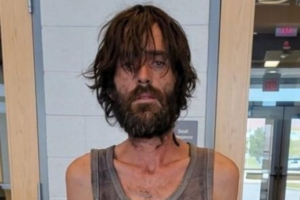
WASHINGTON, D.C. — Back in March 2016, law enforcement officers across several states launched a manhunt for a man who had shared a series of troubling photos on Facebook, sparking widespread concern among officials and the public alike.
The photos, which quickly went viral, appeared to show illegal activities, including what looked like stolen goods and possibly weapons. According to sources close to the investigation, the posts were made from an account that didn’t use much caution, leaving digital breadcrumbs for authorities to follow. This wasn’t the first time social media had played a role in tracking down suspects, but it highlighted how platforms like Facebook were becoming easy targets for slip-ups.
At the time, police said the man was believed to be in his 30s and had connections to a few Midwestern cities. They urged people to come forward with any tips, emphasizing how a single post could unravel someone’s attempts to stay hidden. It was a reminder of the double-edged sword of online sharing—great for connecting with friends, but a potential disaster if you crossed the line.
Reactions poured in from experts who pointed out the growing challenges of digital privacy. One analyst noted that while platforms had tools to flag suspicious content, they often fell short in real-time responses. As a journalist, it’s hard not to feel a bit uneasy about how everyday posts could lead to such intense scrutiny.
In the end, officials wrapped up their search within a week, arresting the individual in a quiet suburb. The case served as yet another example of how the internet was changing the game for crime and punishment, leaving many to wonder about the risks of oversharing in an increasingly connected world.